
Last updated September 22, 2026
Level 1 sweep and inspection to the NFPA 211 annual standard - flue, crown, cap, and flashing checked and photographed
Chimney sweep logs do not sweep chimneys. They loosen some creosote - which then falls where a brush and vacuum still have to collect it.
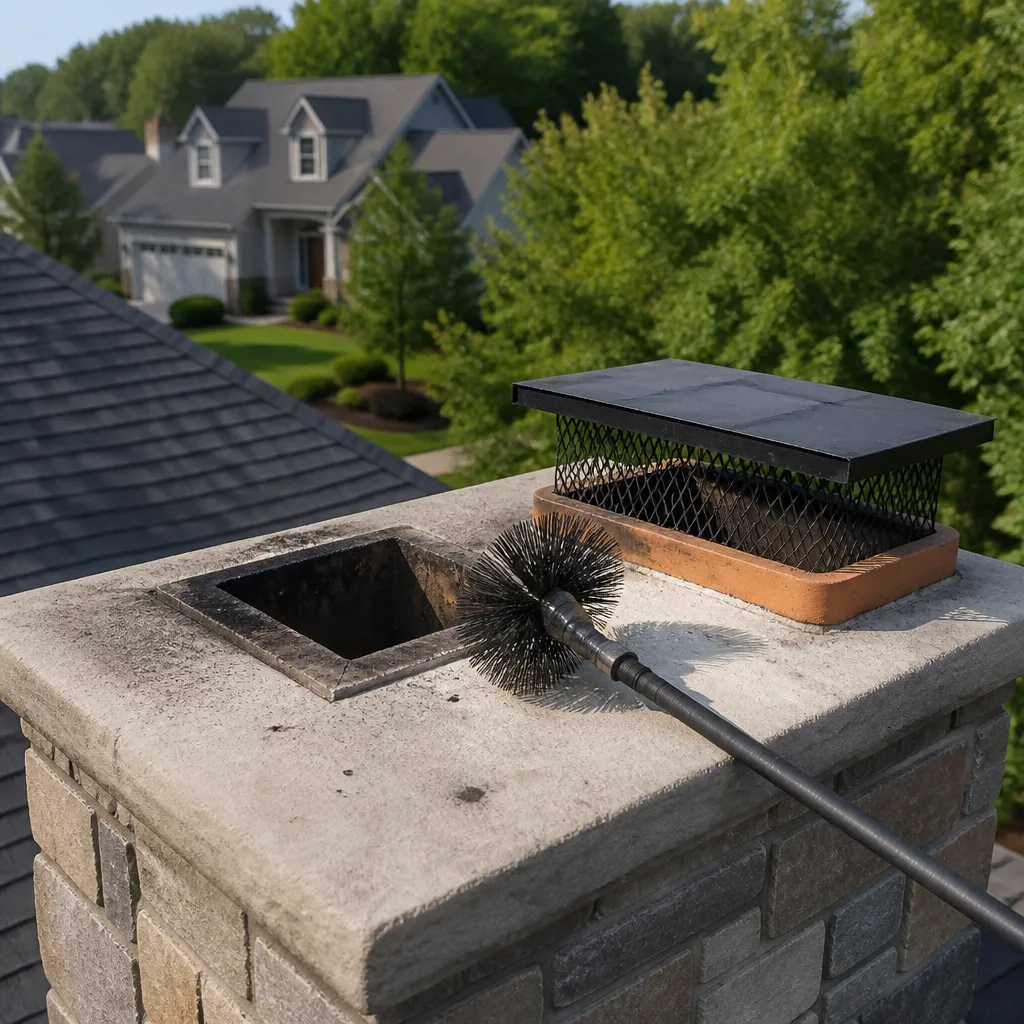
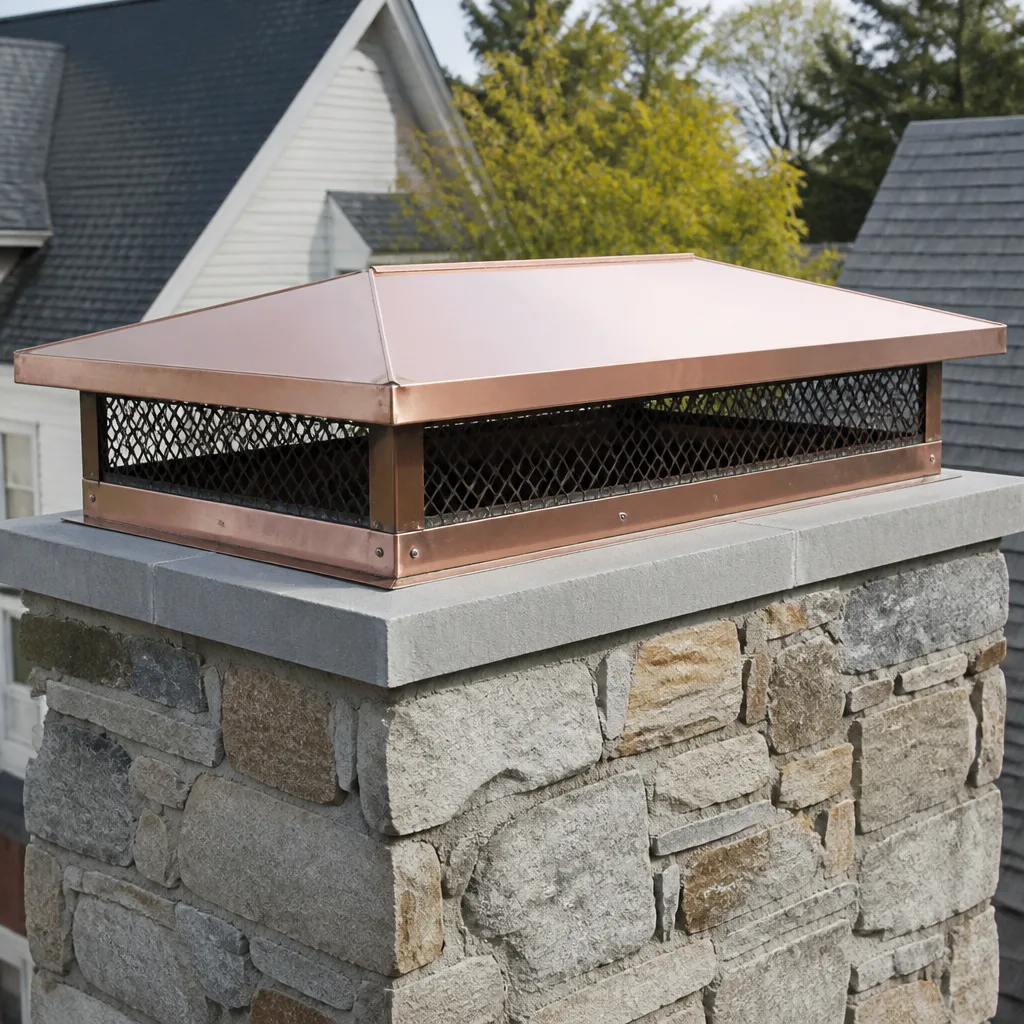
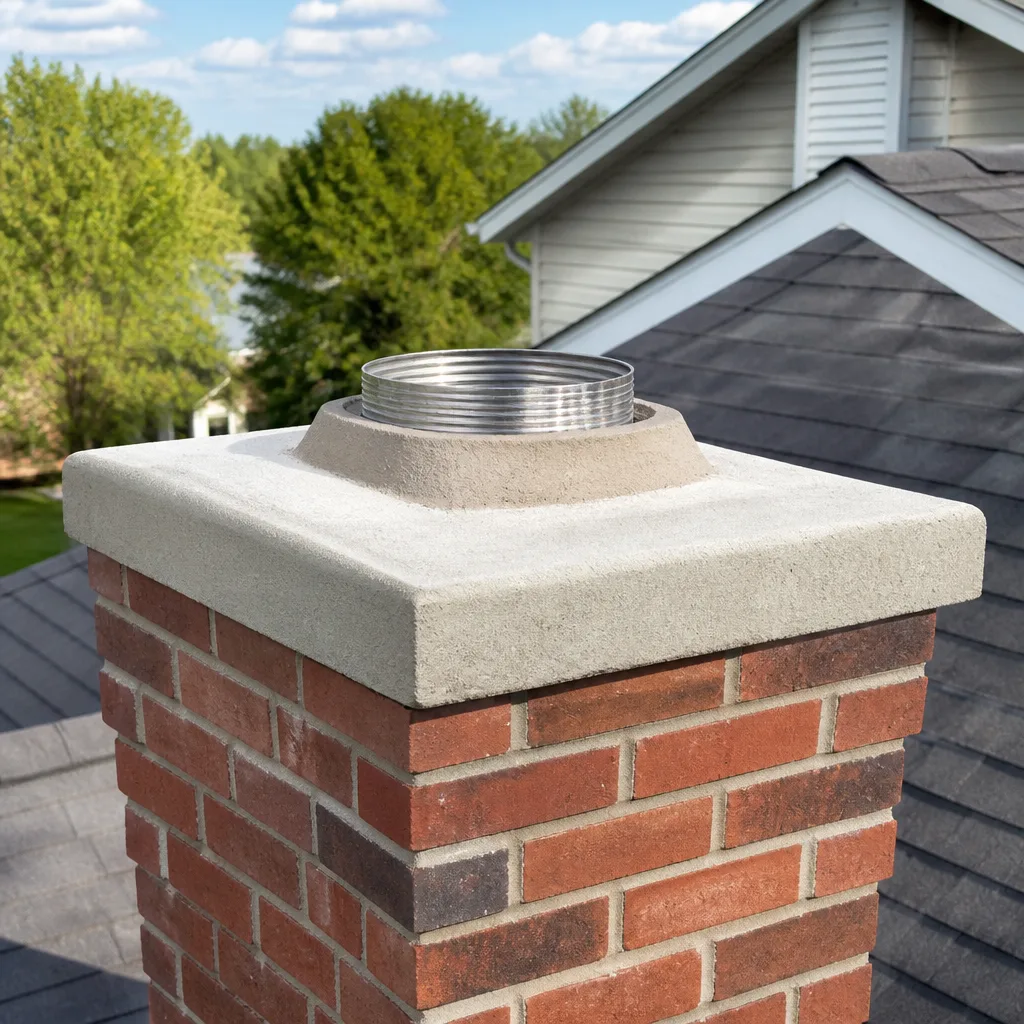
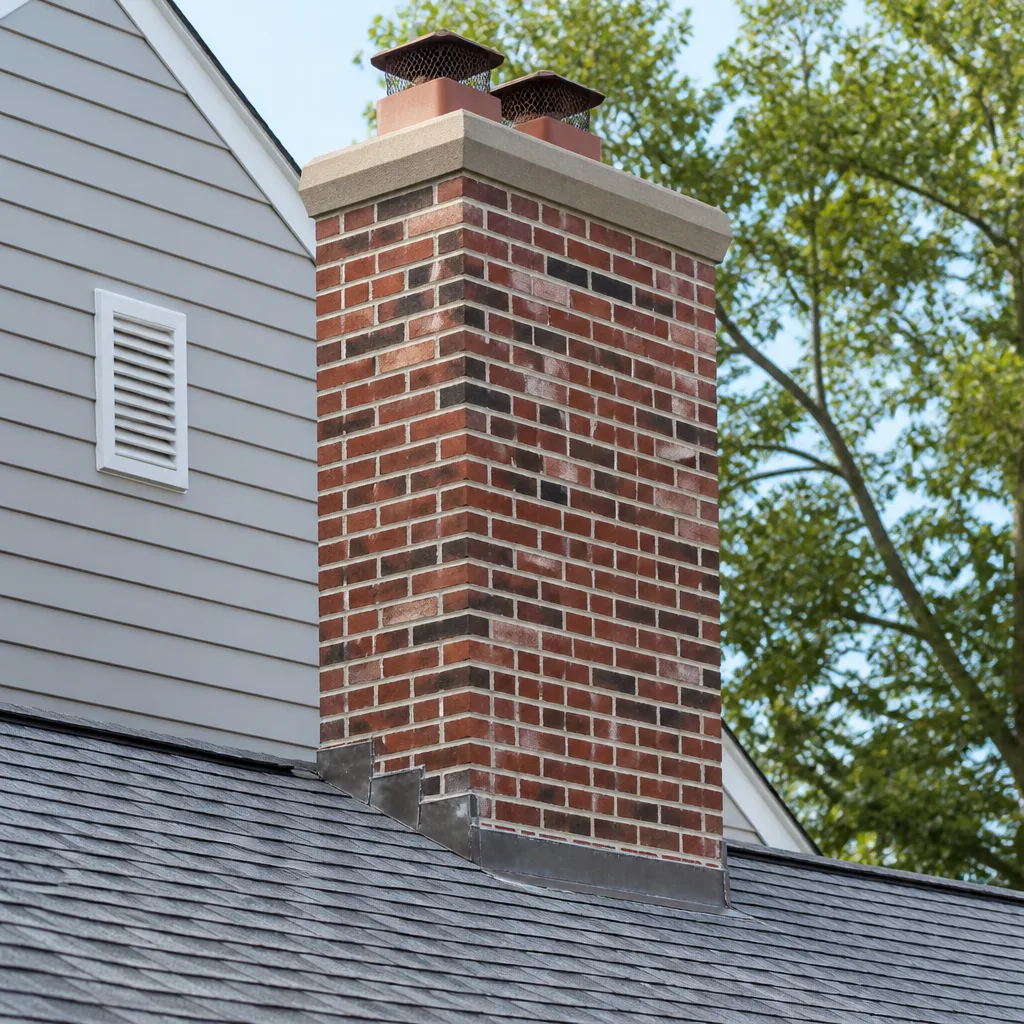
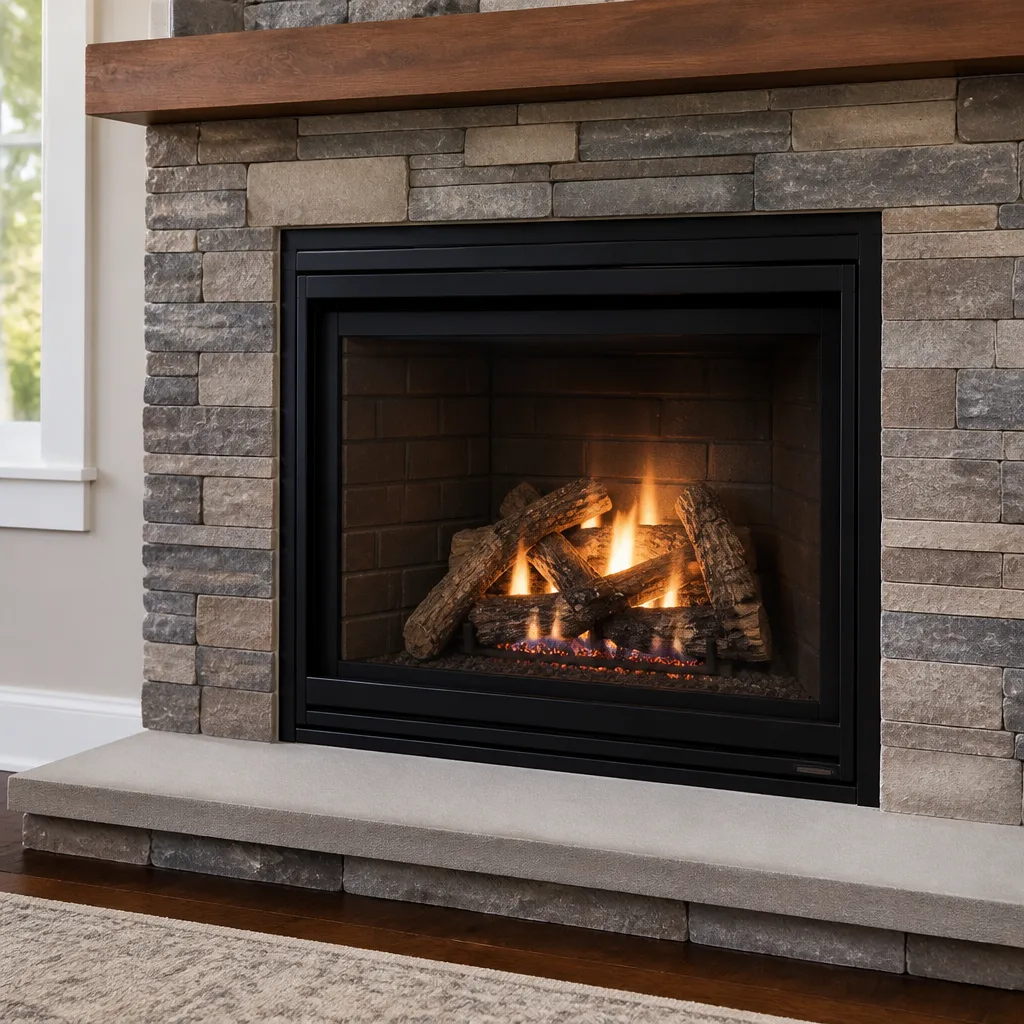
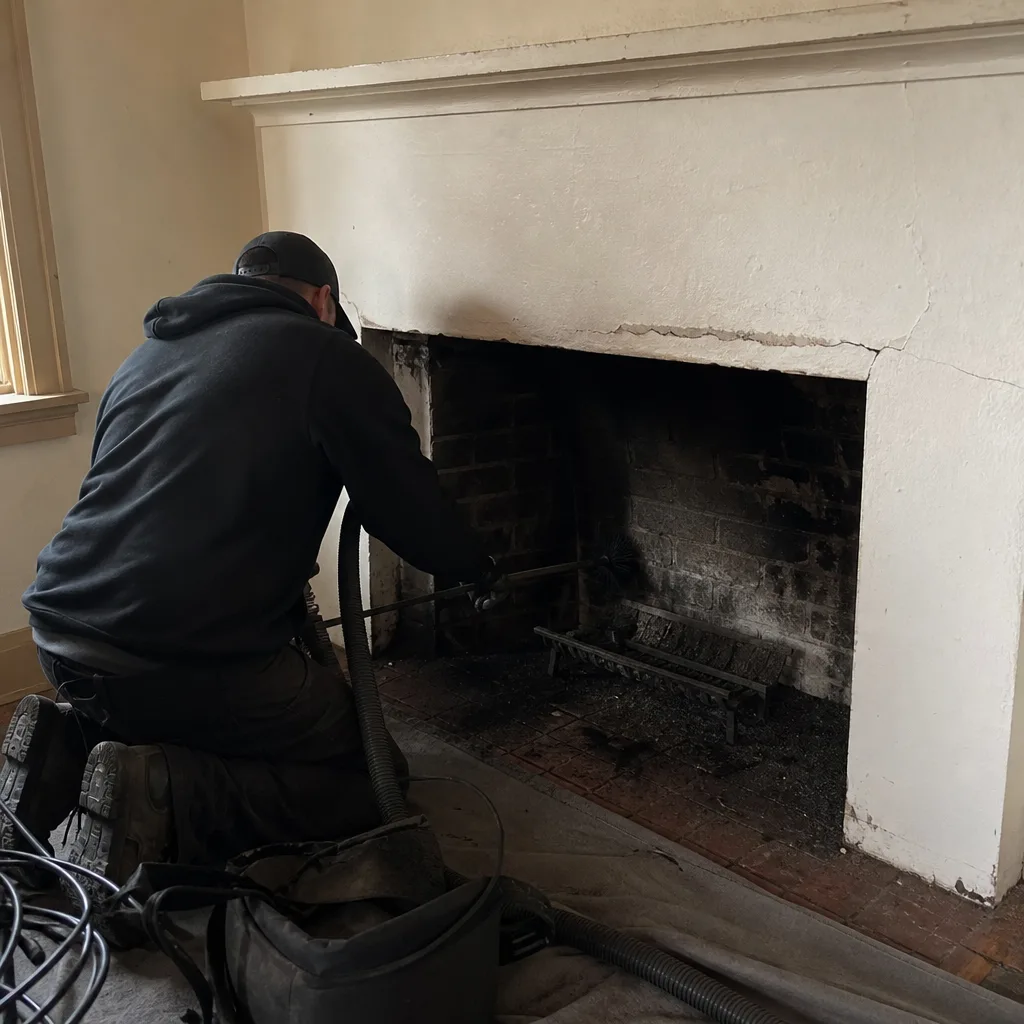 Before
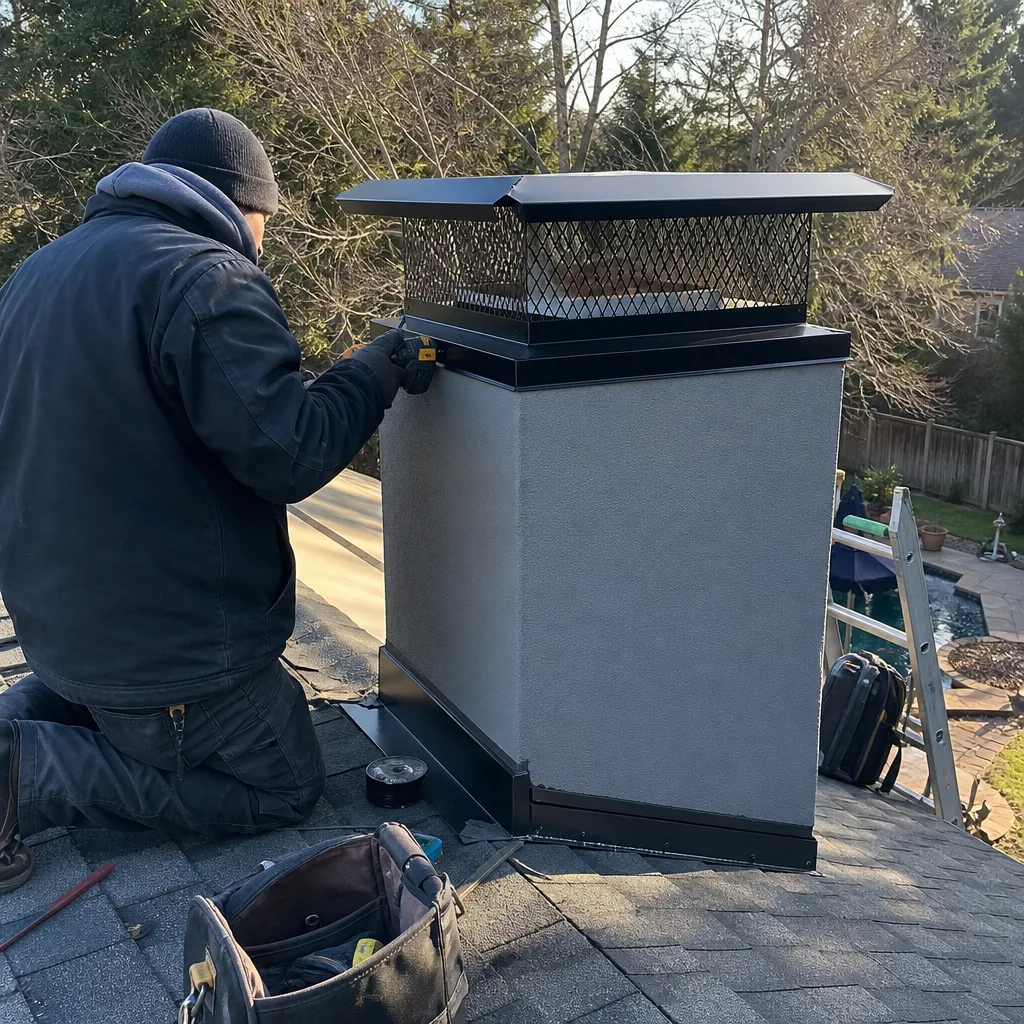 After
After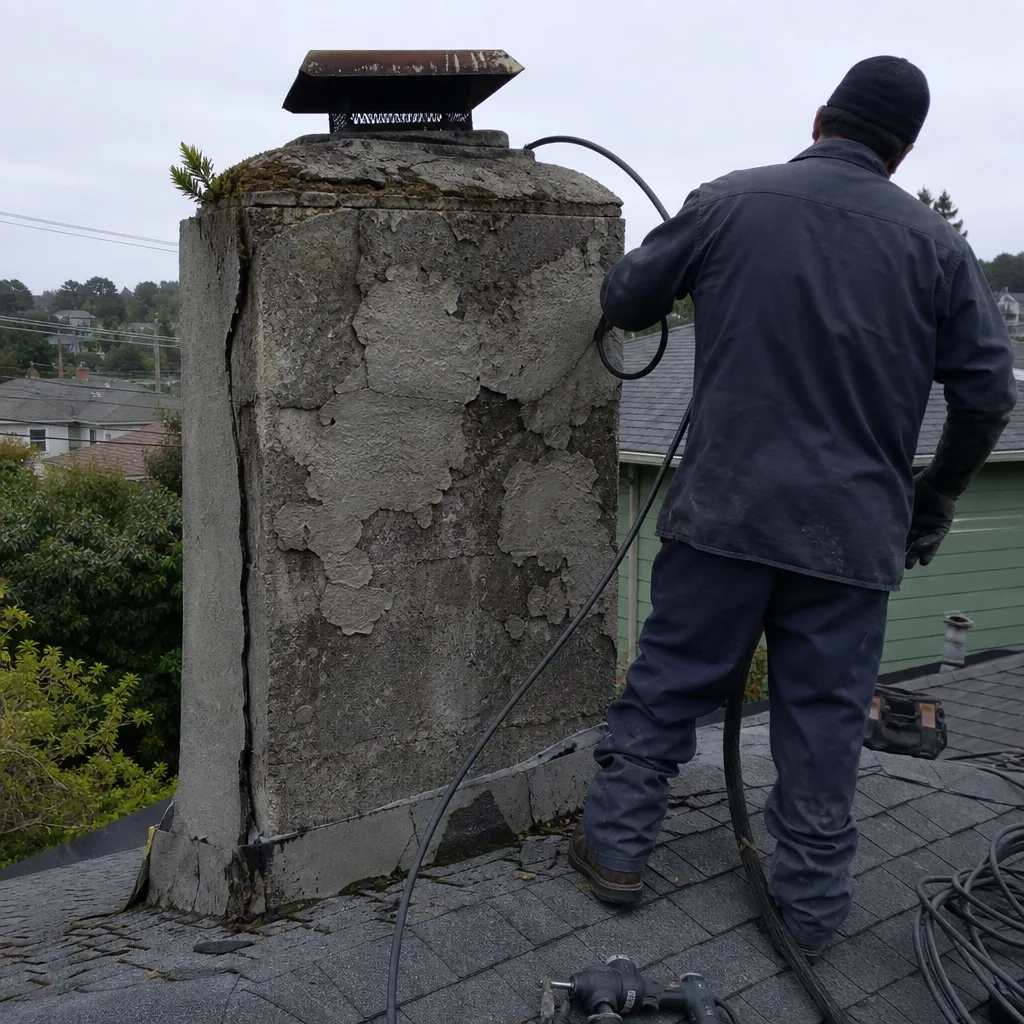 Before
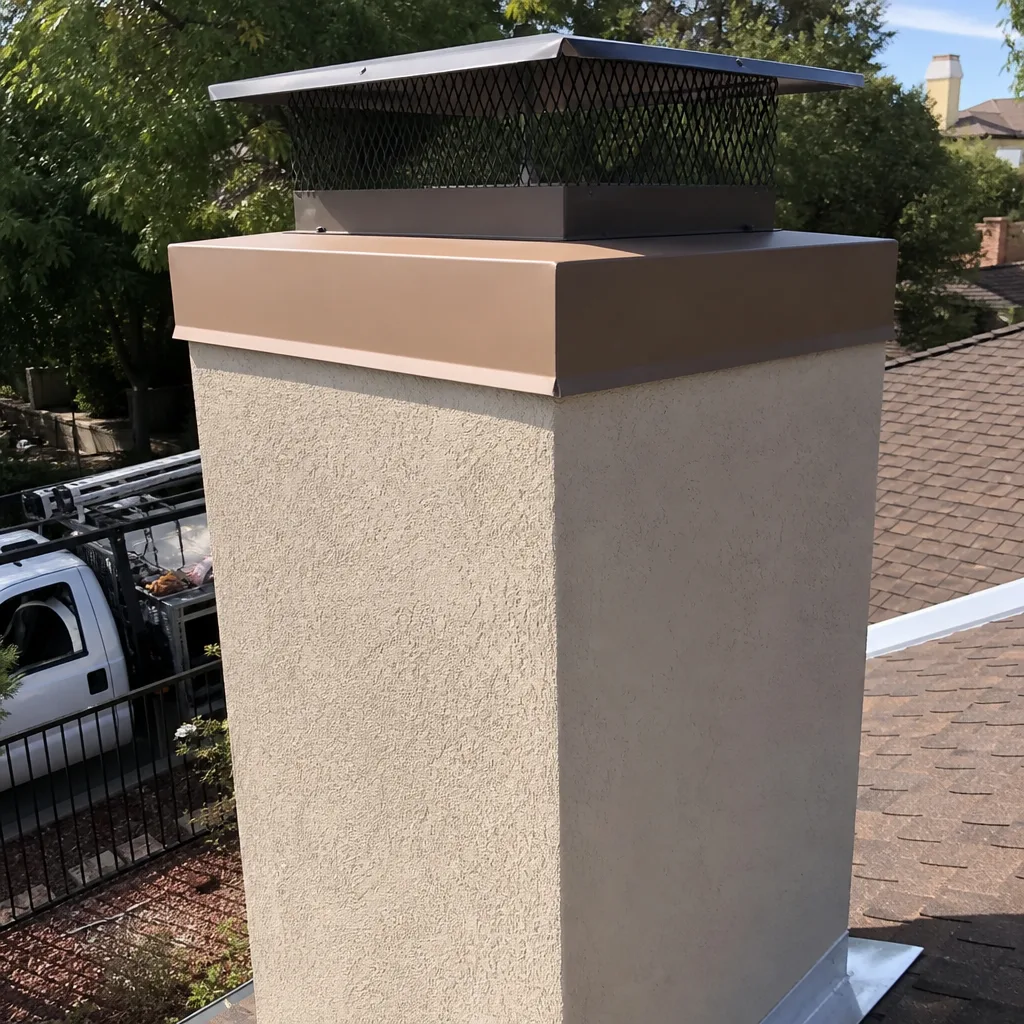 After
After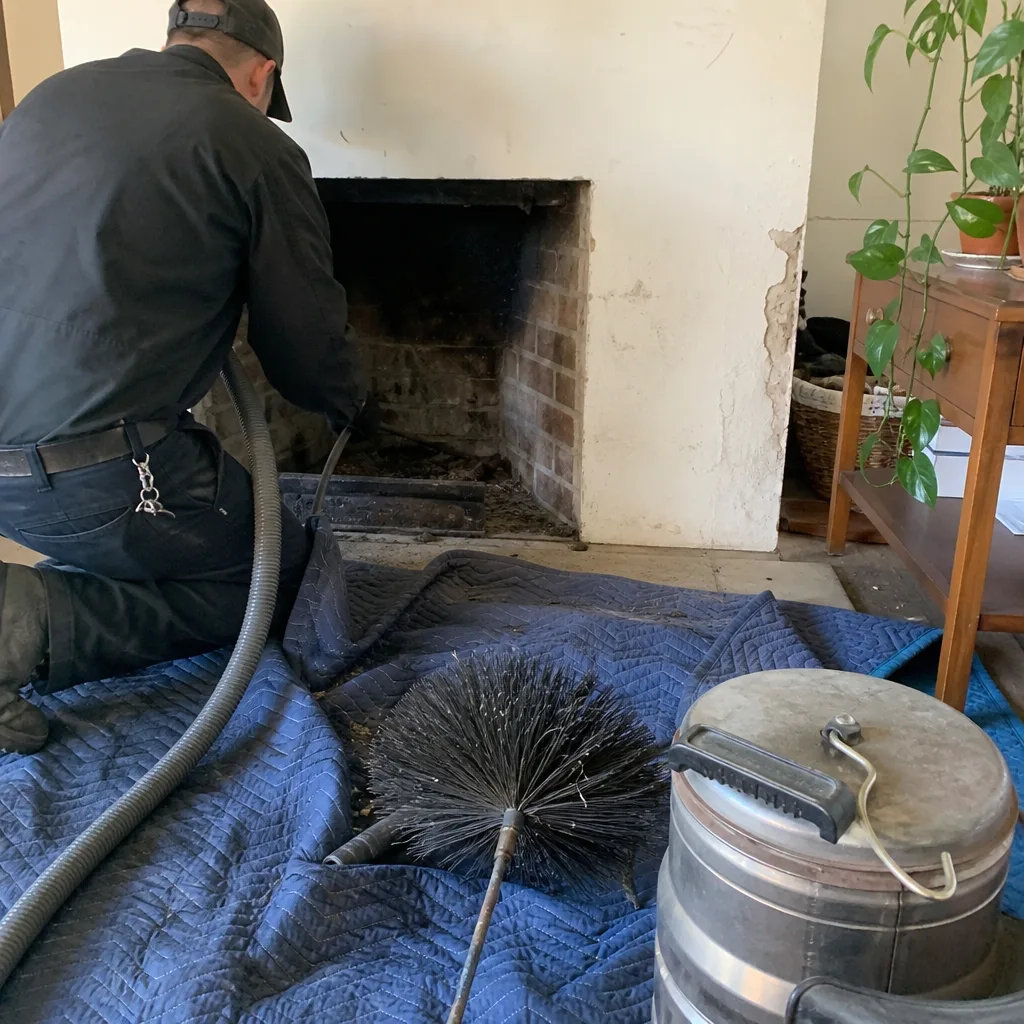 Before
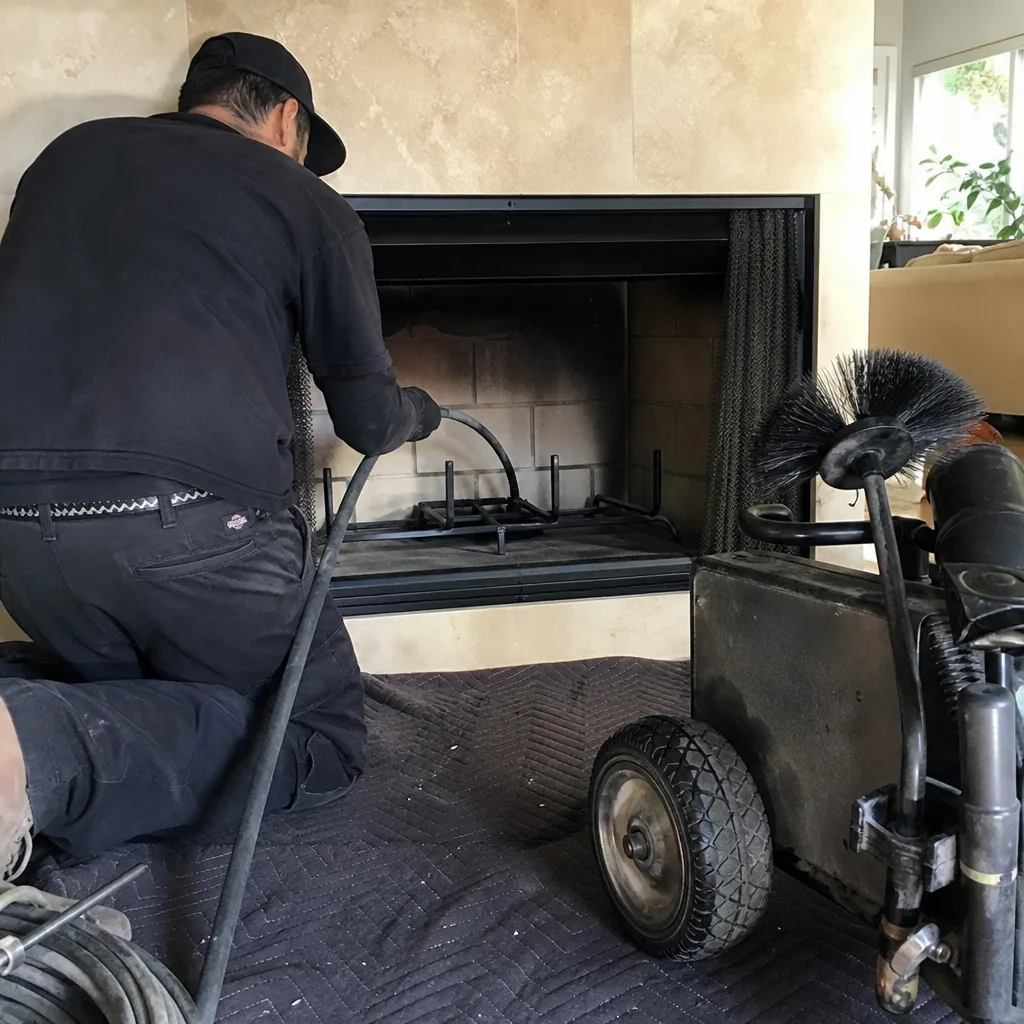 After
AfterChimney Cleaning Warning Signs: A Oakland Homeowner’s Reference Guide
The most expensive chimney repair call Emberly has documented in Oakland began with a homeowner noticing their upstairs bedroom smelled faintly of wood smoke two winters before their liner failed. Three different contractors attributed it to “drafting issues.” None used a camera. By the time we inspected, the terracotta flue liner had a seven-inch crack at the smoke chamber shoulder, and combustion gases had been migrating through the chase wall into the bedroom above. That $4,200 repair started as a smell. In this guide, we’ll show you the indirect signals that precede costly failures - the ones that don’t look like chimney problems until they are. For a deeper dive into prevention, see our Complete Guide to Chimney Cleaning in Oakland.
Quick Answer
Chimney cleaning warning signs in Oakland fall into three categories: performance signals (draft weakness, smoke odor in adjacent rooms, longer ignition times), structural signals (efflorescence on exterior brick, spalling mortar, new animal activity), and residue signals (thick, flaky creosote buildup, black staining at the firebox opening, tar-like drips in the firebox). If you notice any of these, schedule an NFPA 211 Level 2 inspection with camera documentation before the next burning season. Not sure whether to tackle it yourself? Read our DIY vs Professional Chimney Cleaning guide for Oakland homeowners. In Oakland’s marine climate, moisture-driven deterioration accelerates once these signs appear.
Table of Contents
- Odor Mapping: What Your Chimney Smell Is Actually Telling You
- Exterior Spalling: When Brick Faces Start to Scale
- Draft Degradation: The $3 Test Every Homeowner Should Know
- Efflorescence: The White Stain Homeowners Paint Over
- Animal Entry: Why Summer Wildlife Activity Matters
- Creosote Buildup: Types, Risks, and When Cleaning Can’t Wait
- Common Mistakes to Avoid
- When to Call a Professional
- Frequently Asked Questions
BeforeAfterOdor Mapping: What Your Chimney Smell Is Actually Telling You
Not all chimney smells mean the same thing. Where the odor originates tells us whether you’re looking at surface-level creosote or a structural breach that requires immediate investigation.
Creosote smell at the firebox. This is normal and surface-level. When you open the damper after a season of disuse, you’ll get a concentrated, asphalt-like odor from accumulated soot and creosote on the firebox walls. It should dissipate within minutes of airflow. This means your chimney needs cleaning, not necessarily repair. In Oakland, where many homeowners burn oak and madrone from the East Bay hills, this smell tends to be sharper and more persistent than with softer woods.
Smoke smell in a room adjacent to the flue chase. This is a structural breach until proven otherwise. The flue chase is the framed enclosure that contains your chimney flue. If combustion gases are escaping through a cracked liner or deteriorated mortar joints, they’ll follow the path of least resistance - often into wall cavities, closets, or bedrooms that share the chase wall. We’ve traced this exact pattern in Oakland’s Rockridge neighborhood, where 1920s bungalows have chase walls that back onto second-floor bedrooms. The smell is faint, intermittent, and usually worse on windy days when pressure differentials force gases through small openings.
Musty odor after rain. This indicates water intrusion, typically through a failed crown, missing cap, or deteriorated flashing. In Oakland’s wet winters, we see this frequently in homes below the Oakland Hills where wind-driven rain hits chimney crowns from the west. The mustiness precedes visible damage by months. By the time you see a water stain on the ceiling, the interior flue liner may already have freeze-thaw damage.
Decomposition or ammonia smell. An animal has died in the flue or is nesting above the damper. This is more common in Oakland than most homeowners realize. Our mild winters and abundant oak canopy support large populations of raccoons, squirrels, and chimney swifts. A live animal will eventually die, and the odor will intensify over 10-14 days.
Our protocol: when a homeowner reports any smell outside the firebox itself, we perform a full NFPA 211 Level 2 inspection with camera scan. Clause 4 of the Haven Standard requires a documented photo record of every visit, so you’ll see exactly where gases or water are entering the structure.
Exterior Spalling: When Brick Faces Start to Scale
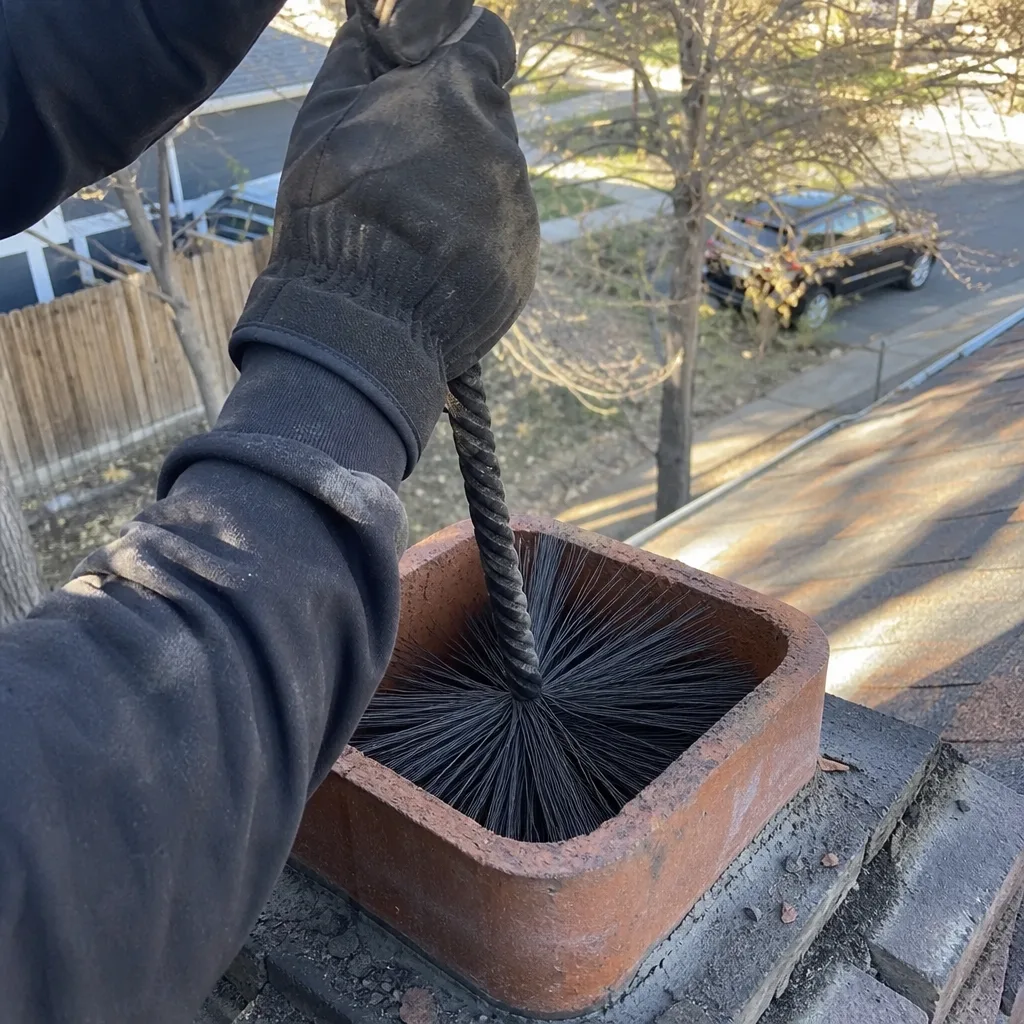
Spalling is what happens when water trapped inside brick freezes, expands, and pops the face off the brick. In Oakland, this process accelerates during our occasional hard freezes in January and February, particularly in neighborhoods above 500 feet elevation like Montclair and Piedmont Pines.
What homeowners typically see: small flakes of brick or mortar on the roof or ground near the chimney base. The brick face looks pitted or shelled. Often, homeowners mistake this for normal weathering.
What the camera typically finds: When we document spalling during a Chimney Cleaning & Sweep in Oakland, the interior inspection almost always reveals corresponding moisture damage. The pattern is consistent:
- Spalling on the south or west face indicates crown failure or cap absence, allowing direct water entry
- Spalling concentrated below the roofline points to flashing deterioration
- Spalling at the chimney shoulder (where it exits the roof) often correlates with a cracked chimney crown that channels water into the flue
- Widespread spalling across all faces suggests the original bricks were under-fired or the mortar mix was too hard for the brick hardness, a common issue in pre-1950 Oakland construction
In a 2022 inspection in the Temescal neighborhood, we documented exterior spalling on a 1912 chimney that the homeowner had planned to repoint cosmetically. The camera revealed that water had migrated through the spalled areas into the flue liner, causing a vertical crack from the smoke chamber to the first flue tile joint. The cosmetic repair would have sealed water inside. The required repair included a stainless steel liner from DuraFlex and crown reconstruction with HeatShield crown coat.
The critical point: exterior spalling is never just cosmetic. It is a leading indicator of internal moisture damage that will compromise liner integrity within 12-24 months if unaddressed.
Draft Degradation: The $3 Test Every Homeowner Should Know
A properly drafting chimney pulls smoke and combustion gases up and out. When draft degrades, it doesn’t always announce itself with smoke in the room. Often, the first sign is subtler: longer ignition times, a fire that struggles to establish, or a persistent faint haze that clears when you open a window.
Before calling a sweep, you can measure draft performance with a tool that costs about $3: a stick of incense or a smoke pencil.
- Establish baseline conditions. Close all exterior doors and windows. Turn off forced-air heating, bathroom fans, and range hoods. These create negative pressure that competes with chimney draft.
- Warm the flue. Roll a newspaper into a torch, light it, and hold it at the damper level for 60 seconds. This establishes thermal draft. A cold flue will not draw properly regardless of condition.
- Test upward flow. Light the incense and hold it at the firebox opening, below the damper. The smoke should rise steadily into the flue. If it drifts horizontally or back into the room, you have a draft problem.
- Test with appliances running. Turn on your range hood and bathroom fan. Repeat the test. If draft reverses or weakens significantly, your home’s negative pressure is overwhelming the chimney - common in tightly sealed newer Oakland construction.
What the numbers mean: We’re not measuring precise pressure here (that requires a manometer). But the incense test reveals functional draft failure. If smoke won’t rise consistently after warming the flue, possible causes include:
- Chimney obstruction (creosote buildup, nest, debris)
- Flue liner damage creating turbulence
- Chimney too short for the building height or nearby trees
- House pressure imbalance from weatherization or new HVAC equipment
- Temperature inversion on still, cold mornings - common in Oakland’s inland valleys
We perform digital draft measurement during every Fireplace Services in Oakland inspection, recording actual pressure readings in pascals. But the incense test gives homeowners a diagnostic tool between professional visits. If your chimney fails this test consistently, it’s time for a camera inspection. Don’t burn until you know why.
Efflorescence: The White Stain Homeowners Paint Over
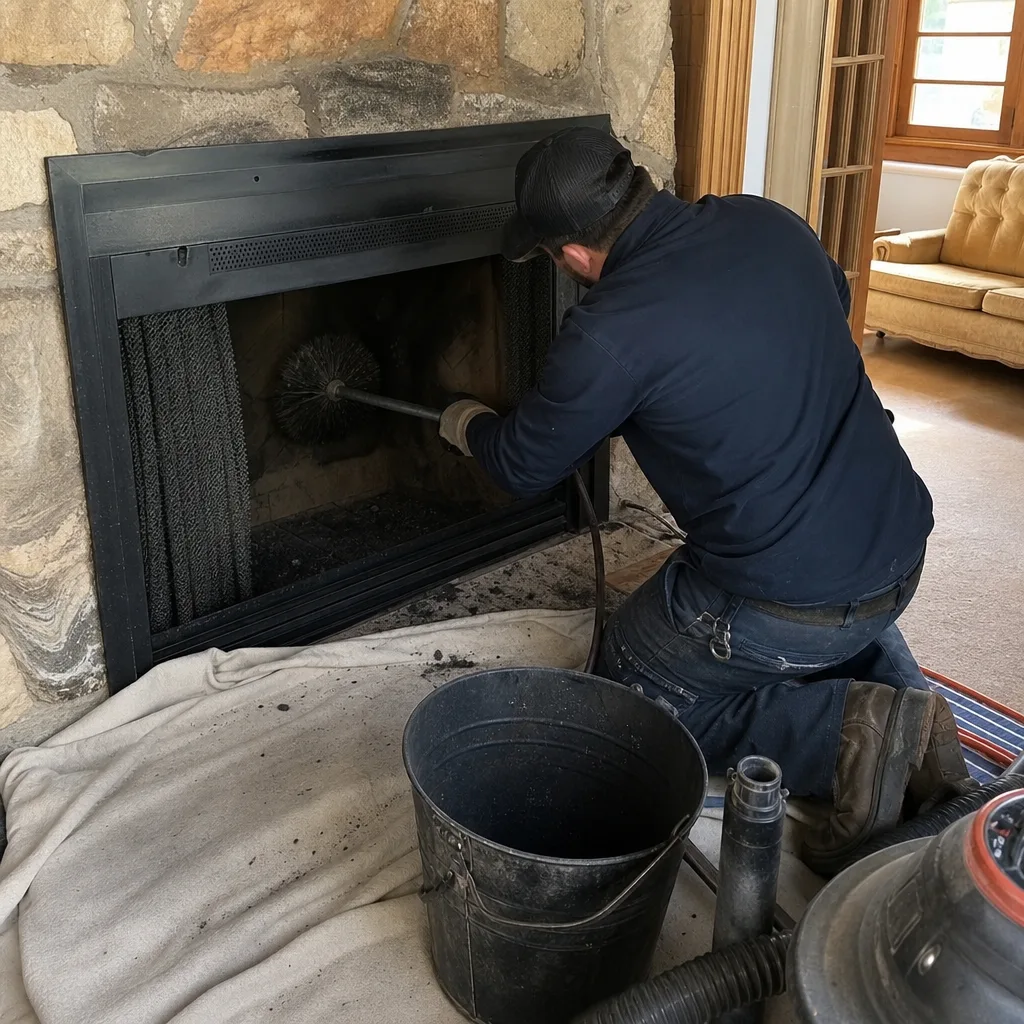
Efflorescence is the white, powdery or crystalline deposit that appears on brick, concrete, or stone surfaces. It is salt - specifically, soluble salts (sulfates, carbonates, chlorides) that dissolve in water migrating through masonry, then crystallize on the surface as the water evaporates.
In Oakland, we see efflorescence most commonly on chimneys in neighborhoods with older construction: Maxwell Park, Laurel, Redwood Heights. The combination of porous brick, original lime mortar, and decades of wet-dry cycling creates ideal conditions.
Why this matters: Efflorescence is not a cosmetic problem. It is evidence of active moisture migration through the masonry matrix. The water carrying those salts is coming from somewhere - failed crown, deteriorated mortar joints, porous brick, or condensation inside the flue. Each cycle of wetting and drying enlarges the pore structure. Within 12-24 months, the mortar begins to powder and recede. Within 24-36 months, individual bricks loosen. We’ve documented chimneys in Oakland where efflorescence first appeared, was painted over by a previous owner, and the underlying moisture damage progressed to the point of partial rebuild.
What to look for:
- White powder that brushes off easily - early stage, active moisture
- White crystalline growth that is hard and attached - advanced stage, repeated cycling
- Staining that returns within weeks of cleaning - ongoing water source, not historical
- Efflorescence accompanied by mortar that crumbles when scratched - active deterioration
The paint trap: Painting over efflorescence seals moisture inside the masonry. Trapped water accelerates freeze-thaw damage and can migrate inward to the flue liner. We’ve removed paint from chimney faces in the Oakland Hills and found saturated brick behind it, with liner damage that wasn’t visible from the exterior.
Our approach: identify the water source, repair it, then address the cosmetic issue if desired. Often, the source is crown repair with a flexible crown coat like HeatShield, or repointing with a mortar matched to the original brick hardness. The salts will stop appearing once the water stops moving.
Animal Entry: Why Summer Wildlife Activity Matters
Most homeowners associate chimney problems with winter burning season. But some of the most diagnostically valuable signals appear in summer, when animals are active and homeowners aren’t thinking about fires.
Chimney swifts. These small, cigar-shaped birds nest exclusively in chimneys. They’re protected under the Migratory Bird Treaty Act, which means once they establish a nest, you cannot disturb them until the young fledge in late summer. In Oakland, we see swift colonies establish in uncapped flues throughout the Dimond, Glenview, and Sequoia Heights neighborhoods. A sudden increase in swift activity around your chimney in May or June means your cap is missing, damaged, or improperly screened. It also means your flue is open to debris, rain, and other animals for the remainder of the year.
Raccoons. Oakland’s raccoon population is substantial and adaptable. A raccoon can gain chimney access through a gap as small as 4 inches, and they commonly dislodge poorly secured caps. Raccoon entry is louder than swift entry - you’ll hear scrambling, vocalizations, or babies crying. But the structural signal is the same: your cap or screen has failed.
Squirrels and roof rats. These animals don’t typically enter the flue itself but will exploit gaps at the chimney-roof intersection to nest in the chase or attic space. Their activity often dislodges flashing or damages crown edges, creating water entry points that affect the flue indirectly.
What this means for your chimney: Any animal entry indicates a breach in the chimney’s protective envelope. That breach admits water, debris, and vermin that accelerate liner deterioration and create blockages. We’ve extracted squirrel nests from flues that reduced effective draft by 40%, and raccoon damage to clay flue liners that required full stainless steel replacement with DuraFlex.
The Haven Standard protocol: if a homeowner reports animal activity, we inspect the cap, crown, and flashing before the flue. The animal is a symptom. The envelope failure is the disease.
Creosote Buildup: Types, Risks, and When Cleaning Can’t Wait
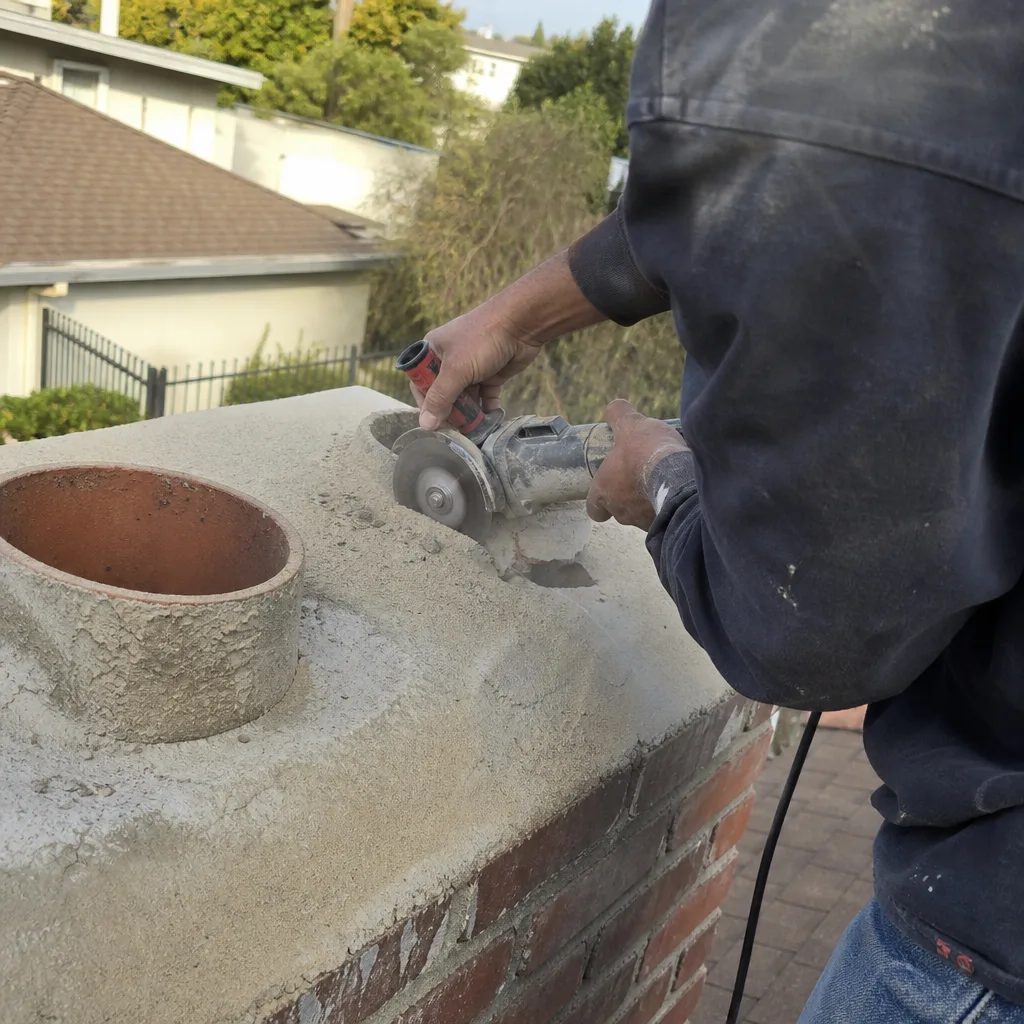
Creosote is the residue of incomplete wood combustion. Not all creosote is equal, and the type determines both the cleaning method and the urgency.
Class I creosote. Fine, dusty soot. Easily removed with standard brushes. Common with dry, seasoned hardwood burned hot. In Oakland, where madrone and oak are readily available and burn efficiently, this is what we hope to find.
Class II creosote. Crunchy, flaky deposits that look like black potato chips. Requires more aggressive brushing, sometimes with chain whips or rotary systems. Indicates cooler flue temperatures or marginal wood moisture.
Class III creosote. Shiny, tar-like, hardened glaze. This is the dangerous one. Class III creosote is essentially condensed wood tar that has baked onto the flue liner. It cannot be removed with brushes alone. It requires chemical treatment, rotary removal with specialized heads, or in severe cases, liner replacement. Class III creosote ignites at approximately 451°F - well within normal flue operating temperatures - and burns at over 2,000°F, exceeding the rating of most clay flue liners.
Visual warning signs you can check:
- Black, flaky buildup visible at the damper or firebox opening - at minimum Class II
- Thick, shiny black coating that looks like melted plastic - Class III, do not burn
- Tar-like drips on the firebox walls or hearth - advanced Class III, often with condensation issues
- Reduced firebox size from buildup accumulating at the smoke chamber shoulder - requires immediate professional cleaning
In Oakland’s climate, we see accelerated Class III formation in two specific scenarios: homeowners who burn unseasoned wood from recent tree removal (common after winter storms), and chimneys with exterior flues on north-facing walls that stay cold, causing condensation that layers with creosote. The Rockridge and Claremont neighborhoods have many chimneys in this configuration.
Safety note: Class III creosote removal is not a DIY project. The chemical treatments are caustic. The rotary equipment requires training. And the inspection to confirm complete removal requires a camera. We’ve documented cases where partial DIY removal left glazed deposits that ignited the following season. If you suspect Class III buildup, stop burning and schedule professional service.
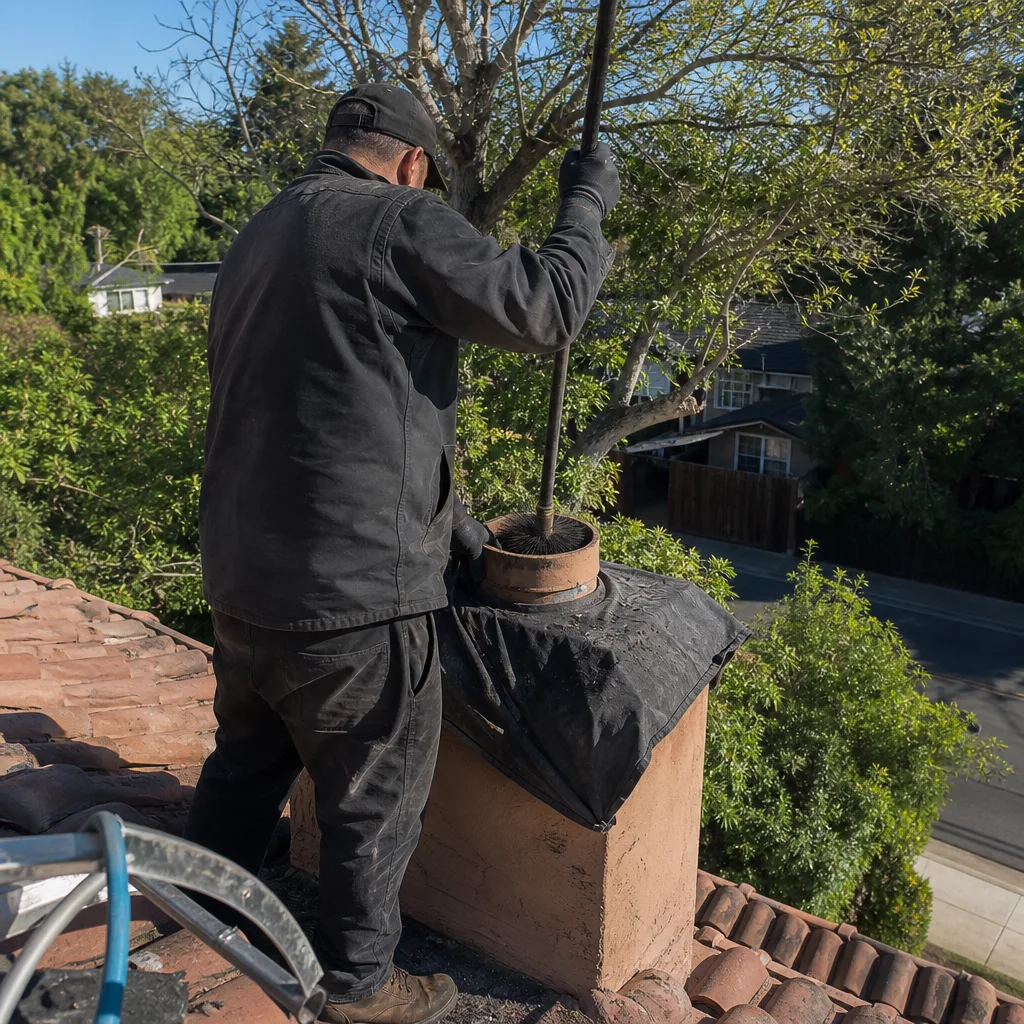
Every Chimney Cleaning & Sweep in Oakland we perform includes camera verification that the flue is clean to NFPA 211 standards, with photos documenting the before and after condition.
Common Mistakes to Avoid
- Assuming a chimney that “looks fine” doesn’t need inspection. In Oakland’s older housing stock, we’ve found critical liner damage in chimneys with pristine exterior brick. The damage is inside, invisible without a camera.
- Using the fireplace as a dehumidifier. On foggy Oakland mornings, some homeowners run a small fire to “dry out” the house. A cold start in a cold flue produces maximum creosote condensation. Warm the flue first, always.
- Installing a chimney cap without inspecting the flue first. A cap on a damaged liner traps moisture and accelerates deterioration. We remove caps annually to inspect beneath them - it’s standard in our process.
- Burning construction debris or pallet wood. Treated lumber, plywood, and painted wood release chemicals that accelerate creosote formation and can damage stainless steel liners. Oakland’s construction waste regulations prohibit this for good reason.
- Ignoring a “slightly” smoky start. A fire that smokes for the first 5-10 minutes indicates inadequate flue warming or developing draft problems. It will get worse, not better.
- Accepting a “flashlight inspection” as sufficient. NFPA 211 Level 1 is a visual inspection from accessible areas. It cannot evaluate flue liner condition, which is where most serious defects occur. Demand camera documentation.
- Waiting for visible water damage inside the house. By the time you see a ceiling stain, the chimney crown, flashing, and possibly liner have been compromised for one or more seasons. Exterior inspection catches this earlier and cheaper.
When to Call a Professional
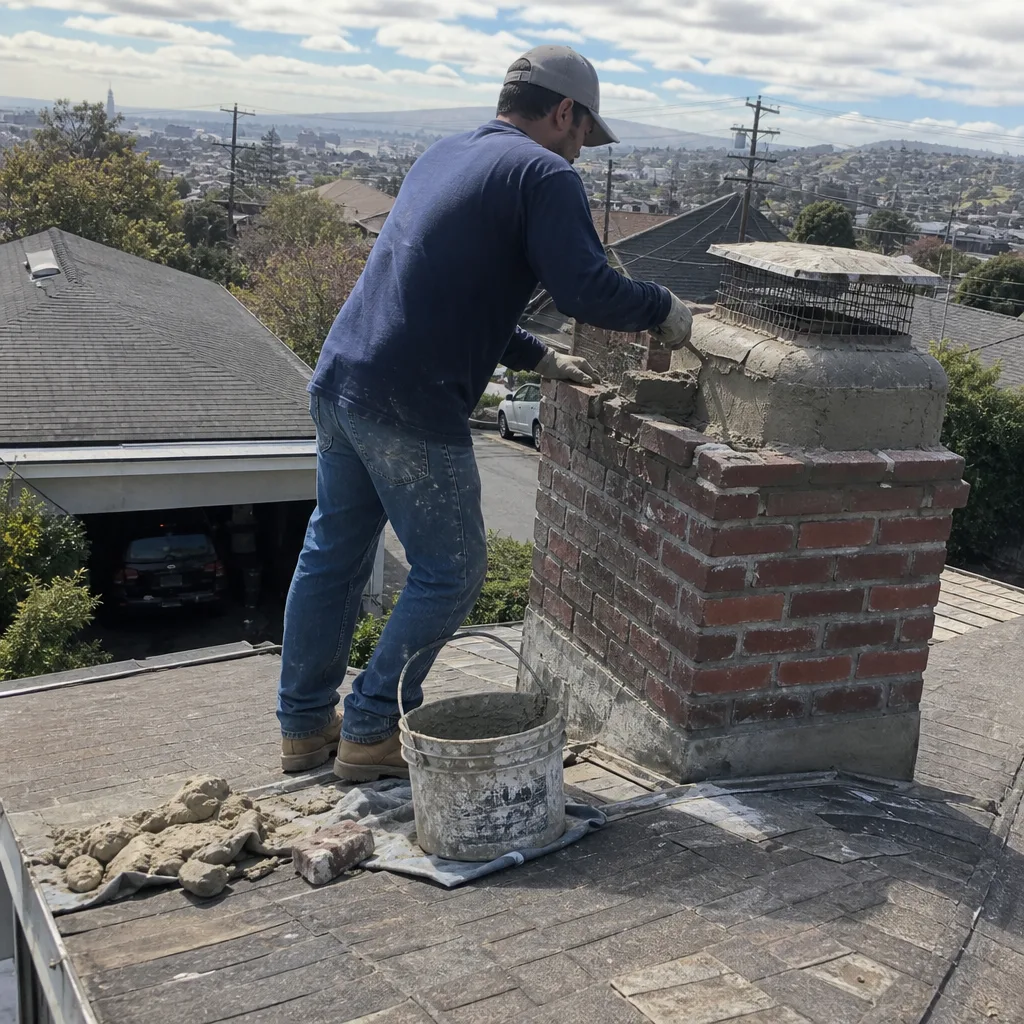
Call for an NFPA 211 Level 2 inspection with camera documentation if you notice any of the following: smoke odor in any room other than where the fireplace is located; visible spalling, efflorescence, or new cracking on exterior brick; draft failure on the incense test; any animal entry or nesting activity; black, shiny, or tar-like creosote deposits; or if it’s been more than 12 months since your last professional cleaning. In Oakland, where the marine layer and occasional hard freezes accelerate moisture damage, annual inspection is the minimum prudent interval for actively used fireplaces.
Emberly Chimney Cleaners Oakland offers free estimates throughout Oakland and surrounding communities. Visit our blog for more guides & resources on chimney care. Every estimate includes a written scope, written price, and written warranty before any work begins - Clause 1 of the Haven Standard. Call (628) 300-1701 to schedule. Live support is available 24 hours a day, 7 days a week.
Frequently Asked Questions
Chimney cleaning and inspection in Oakland typically ranges from $250 to $450 for a standard NFPA 211 Level 1 cleaning with basic inspection. A full Level 2 inspection with camera scan, which we recommend for any home with the warning signs described in this guide, ranges from $350 to $600 depending on chimney height, accessibility, and whether the system is a fireplace, wood stove, or insert. We deliver a written price before any work starts, and our Free Second Opinion applies to any competitor’s written estimate. Call (628) 300-1701 for an exact quote - estimates are free.
The NFPA 211 standard calls for annual inspection, with cleaning frequency determined by use and fuel type. In Oakland, where many homeowners burn 1-3 cords of oak or madrone per season, annual cleaning is typically sufficient. Heavy use (more than 3 cords, or frequent weekend burning) may require mid-season inspection. Homes with gas fireplaces should still be inspected annually for debris, animal entry, and venting integrity, though cleaning needs are minimal. The 12-month interval is a hard minimum for warranty and insurance purposes in most policies.
You need a new liner only if the existing liner is damaged beyond repair or inadequate for the appliance it serves. We make this determination with camera evidence you can see for yourself - never based on a flashlight look or verbal recommendation. Common indicators for replacement include: vertical cracks in clay tile, gaps between tile joints, spalling or flaking of tile interior, or a liner that is improperly sized for the fireplace opening (causing chronic draft problems). In Oakland’s 1920s-1950s housing stock, original clay liners are often 8″ round in 12″ square flues, creating a mismatch that no amount of cleaning fixes. If work can safely wait, we’ll say so plainly.
Skipped cleaning leads to progressive creosote accumulation, which restricts flue diameter and increases fire risk. A restricted flue also produces carbon monoxide spillage into the home - odorless, colorless, and potentially fatal. In Oakland’s tighter modern construction, the margin for error is smaller: energy-efficient homes have less makeup air, so draft problems manifest as CO risk rather than obvious smoke backup. Structural moisture damage from deferred maintenance accelerates liner failure, turning a $300 cleaning into a $3,000+ liner replacement. The documented photo record from regular inspection also protects your insurance position if a claim ever arises.
Summer chimney odor typically comes from one of two sources: creosote deposits that warm and off-gas in hot weather, producing that characteristic asphalt smell; or animal entry, with nesting materials, droppings, or decomposition generating ammonia or musty odors. In Oakland’s warm late-summer months, we see increased odor complaints as attic temperatures rise and drive air down the flue. A chimney cap with proper screening prevents animal entry and reduces downdraft odor. If the smell is musty rather than creosote-like, suspect water intrusion and schedule inspection.
Small hairline cracks in mortar joints are common and not immediately dangerous. However, cracks that run through brick faces, stair-step patterns in mortar, or gaps at the chimney-roof intersection indicate structural movement or moisture damage that requires inspection before burning. The exterior crack may mirror liner damage inside. We’ve documented cases in Oakland’s hillside neighborhoods where exterior cracking correlated with liner gaps that allowed combustion gases into wall cavities. When in doubt, camera inspection removes the doubt. Call (628) 300-1701 to schedule - we’ll show you exactly what the crack means.
The Bottom Line
The costliest chimney failures in Oakland don’t begin with dramatic collapses or visible flames. They begin with faint bedroom smells, white stains that homeowners paint over, and summer wildlife activity that seems unrelated to winter fires. This guide has mapped the indirect signals that precede direct damage: odor location as a diagnostic tool, exterior spalling as a leading indicator, the incense test for draft verification, efflorescence as a 12-24 month warning, and animal entry as envelope failure. Each signal is detectable early. Each is verifiable with camera documentation. And each is cheaper to address at detection than at failure. Annual NFPA 211 Level 2 inspection with photo record is the standard that catches what casual observation misses.
Written by Corrine Halstead, Owner at Emberly Chimney Cleaners Oakland, serving Oakland since 2009.