
Last updated September 22, 2026
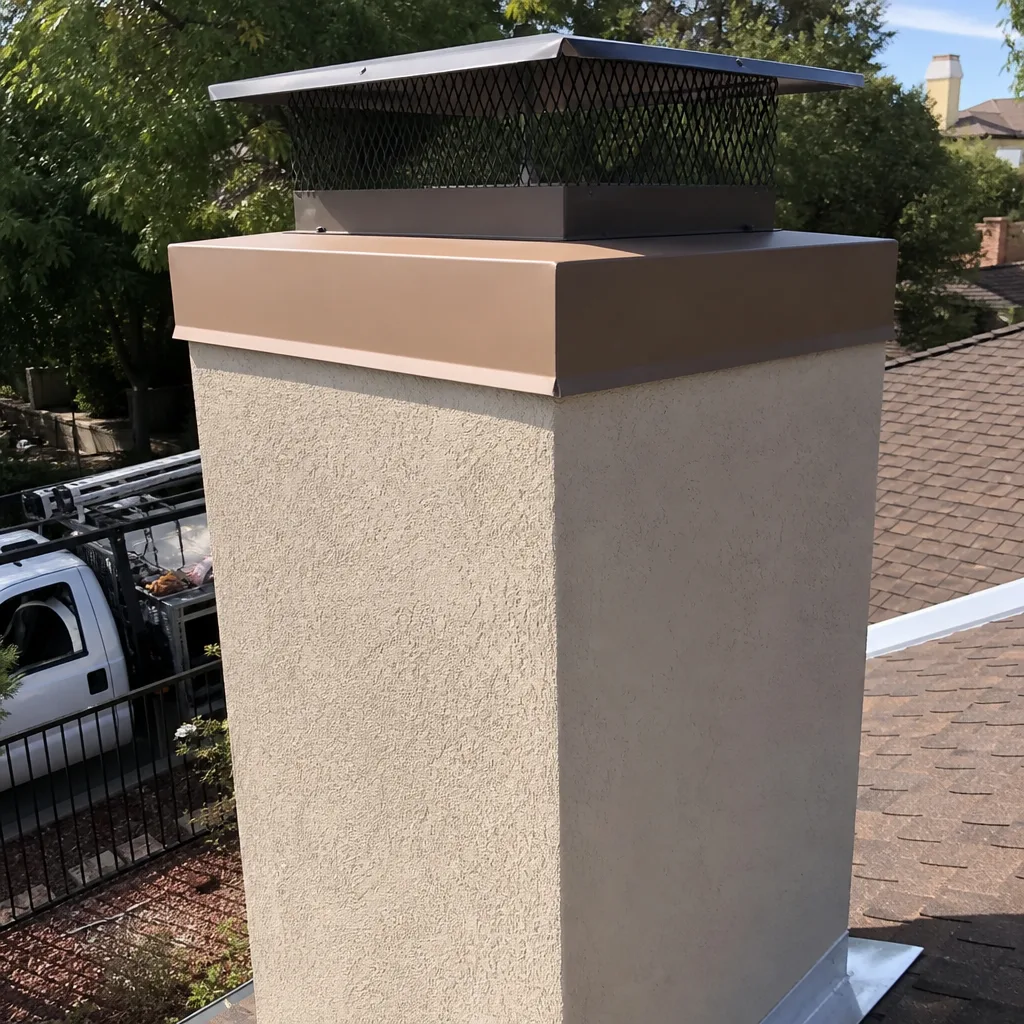
Level 1 sweep and inspection to the NFPA 211 annual standard - flue, crown, cap, and flashing checked and photographed
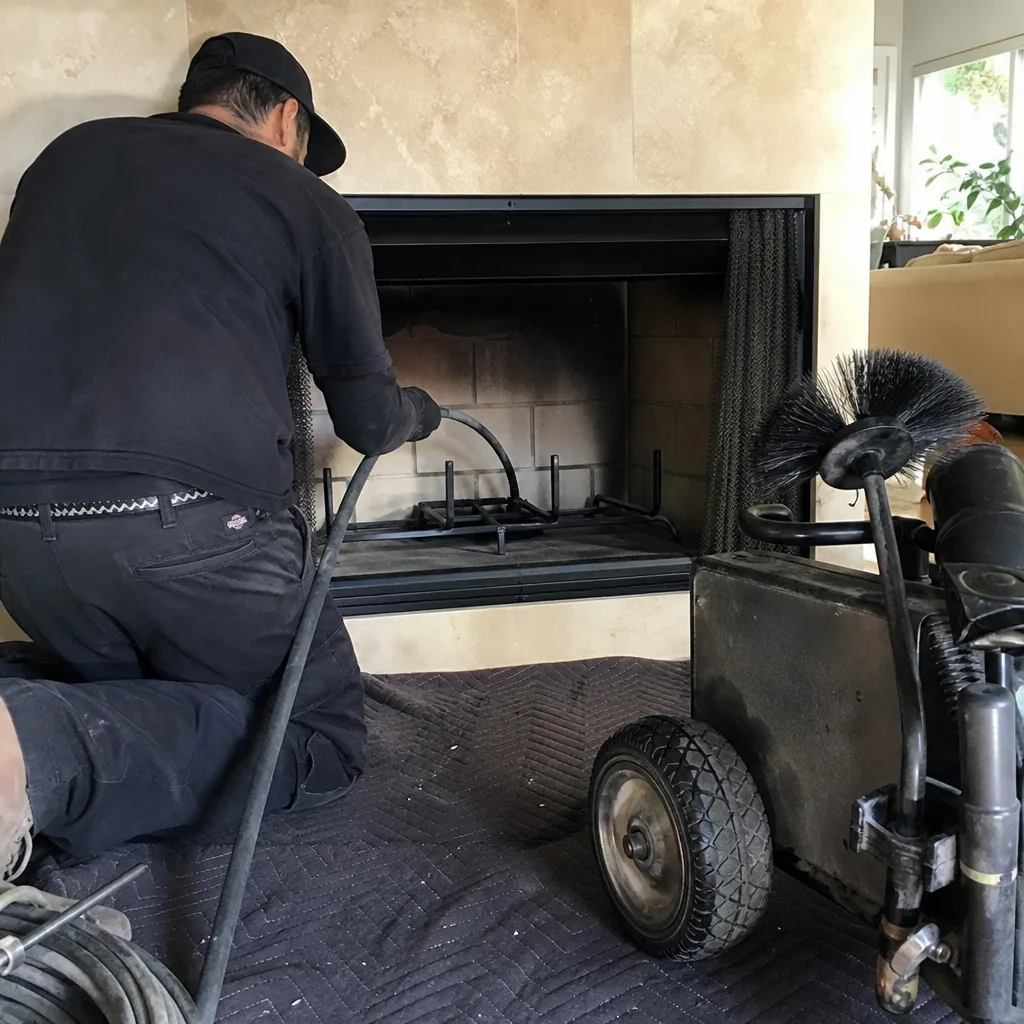
Chimney sweep logs do not sweep chimneys. They loosen some creosote - which then falls where a brush and vacuum still have to collect it.
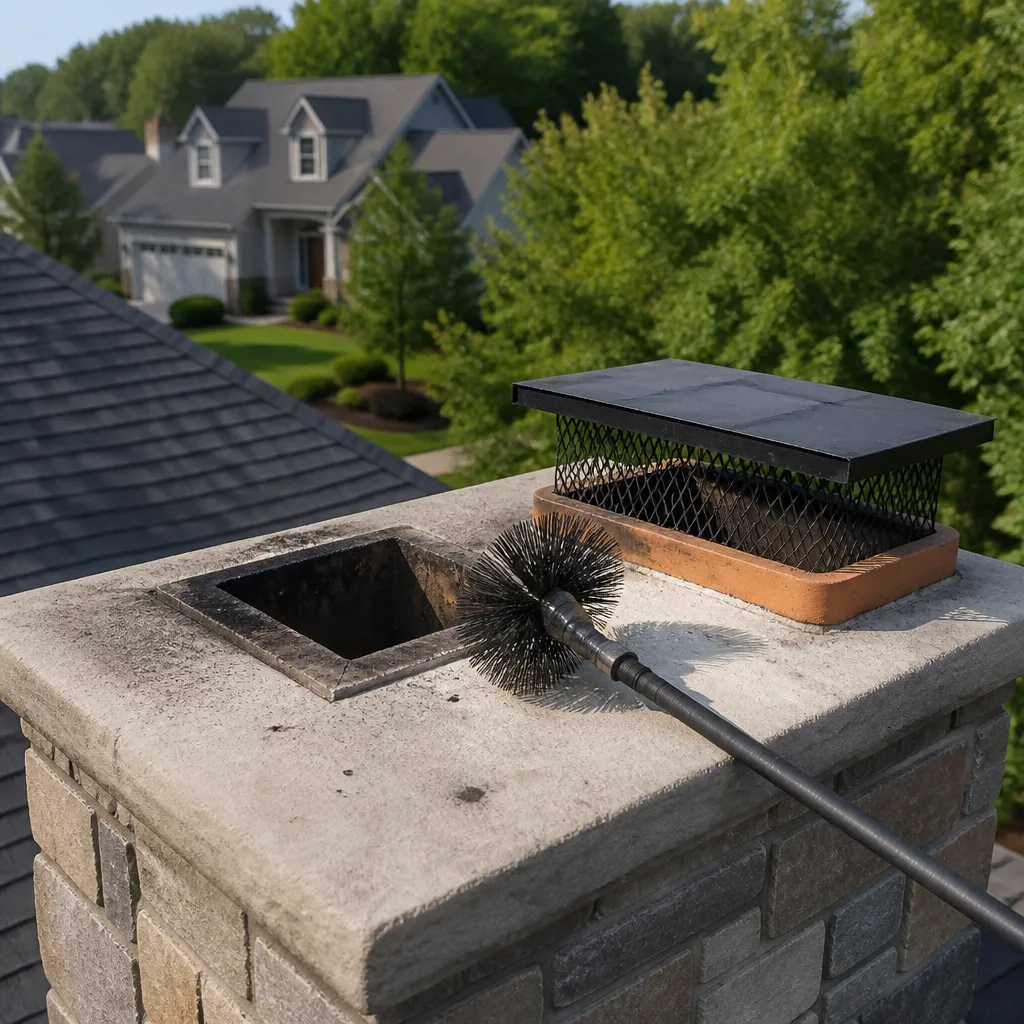
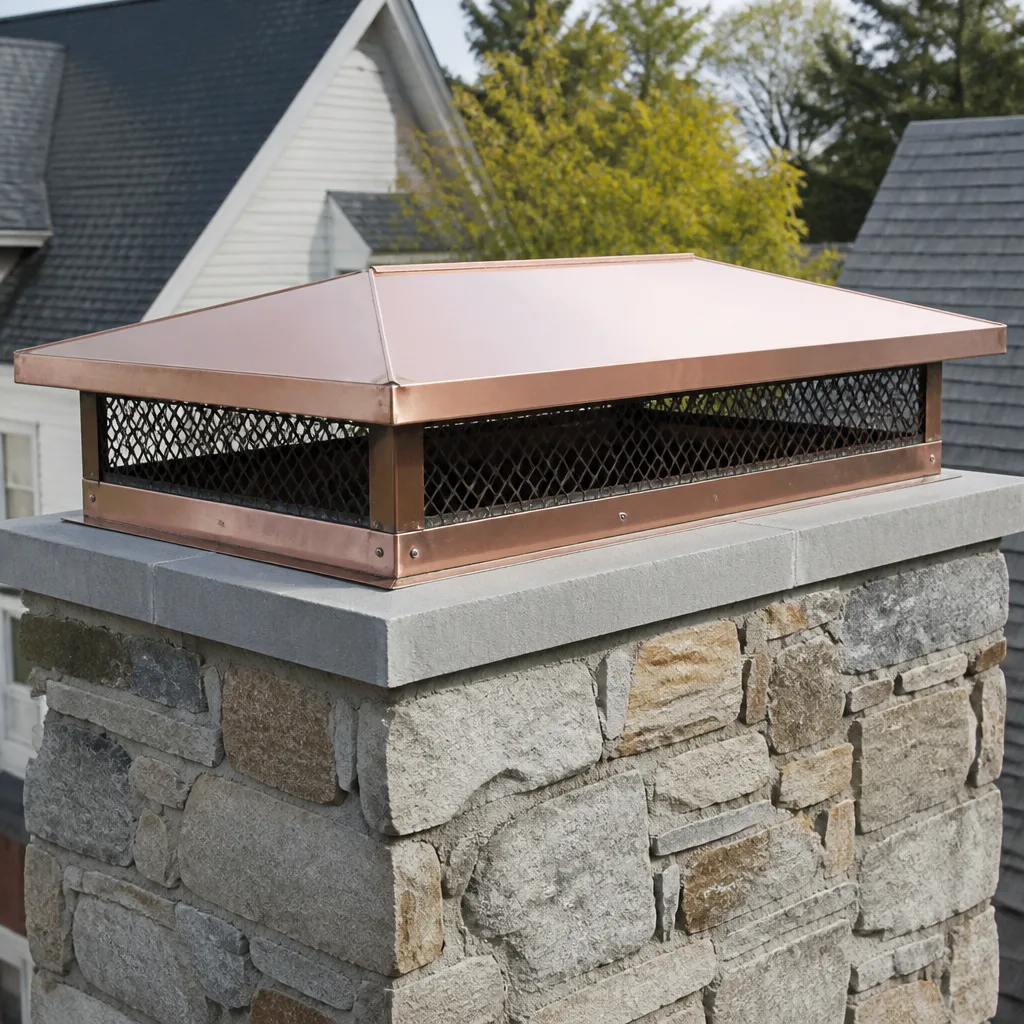
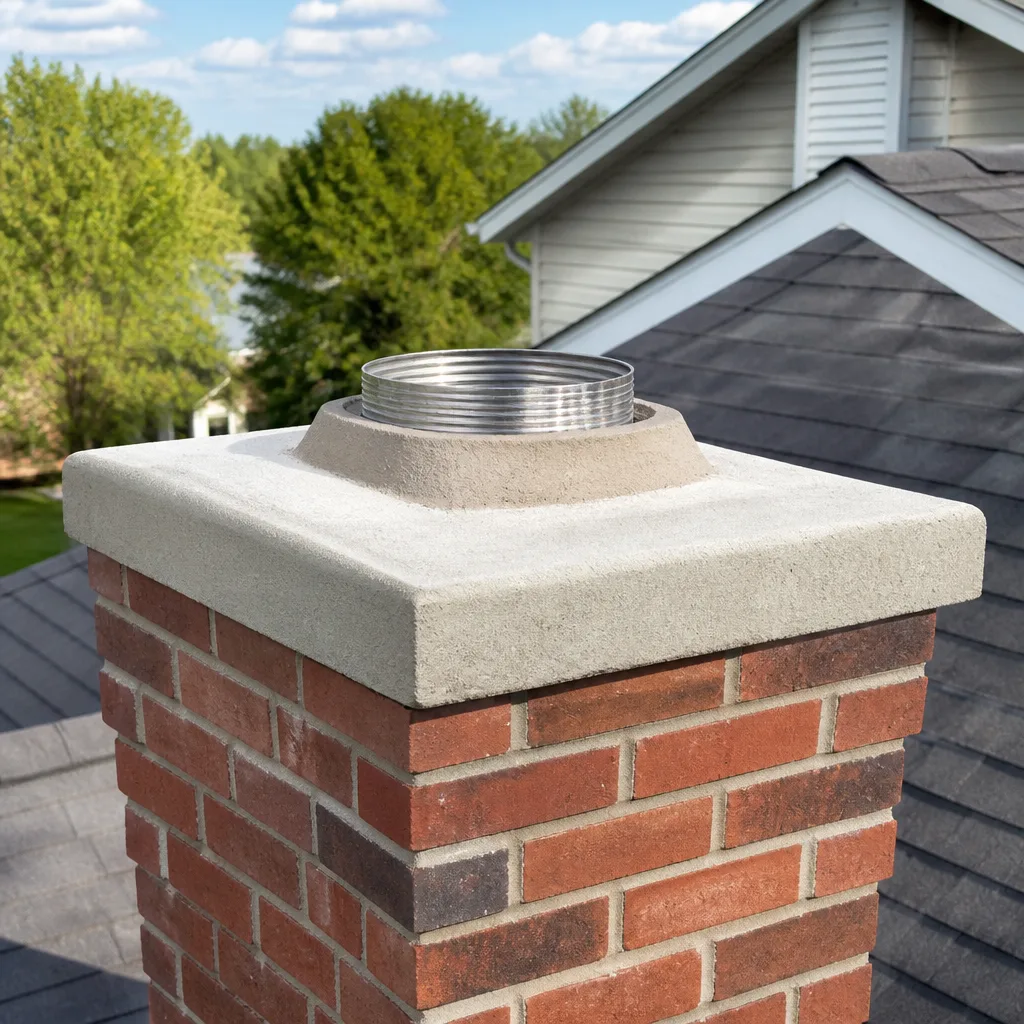
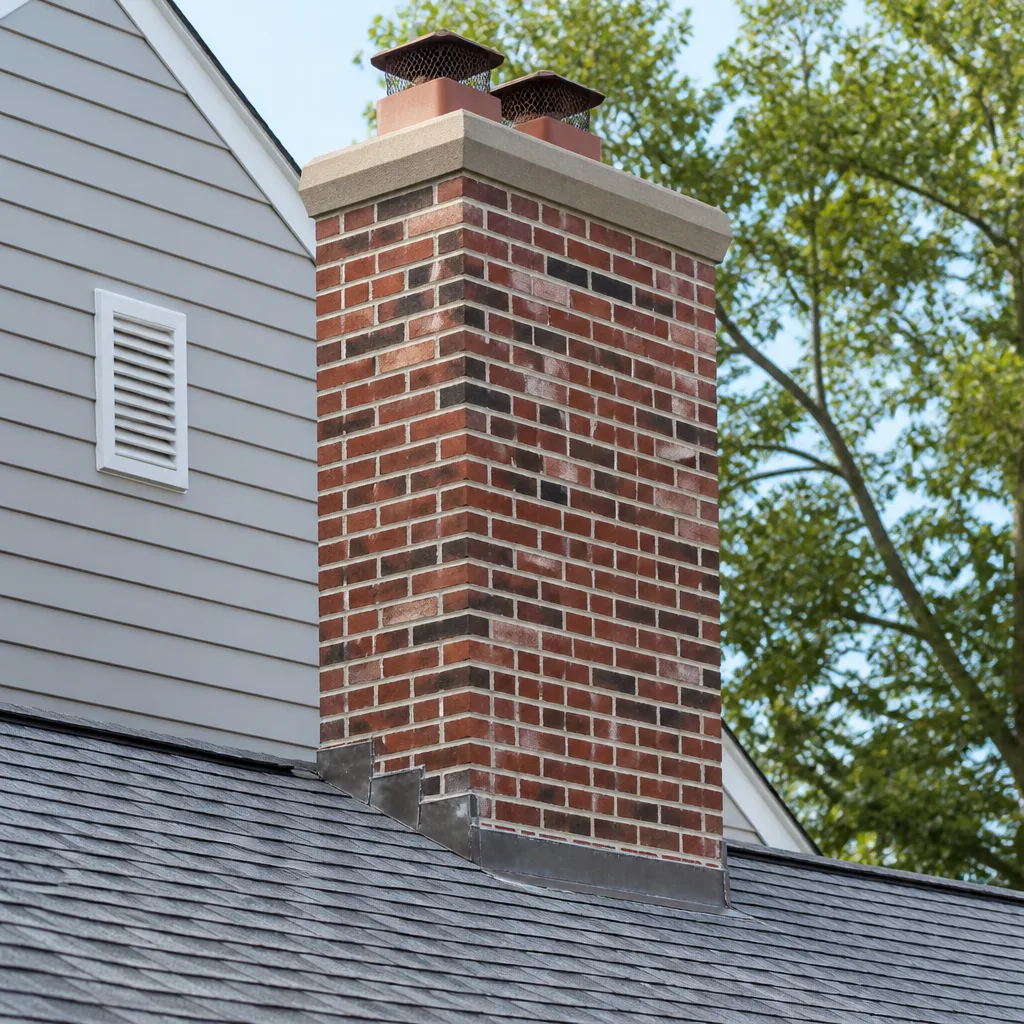
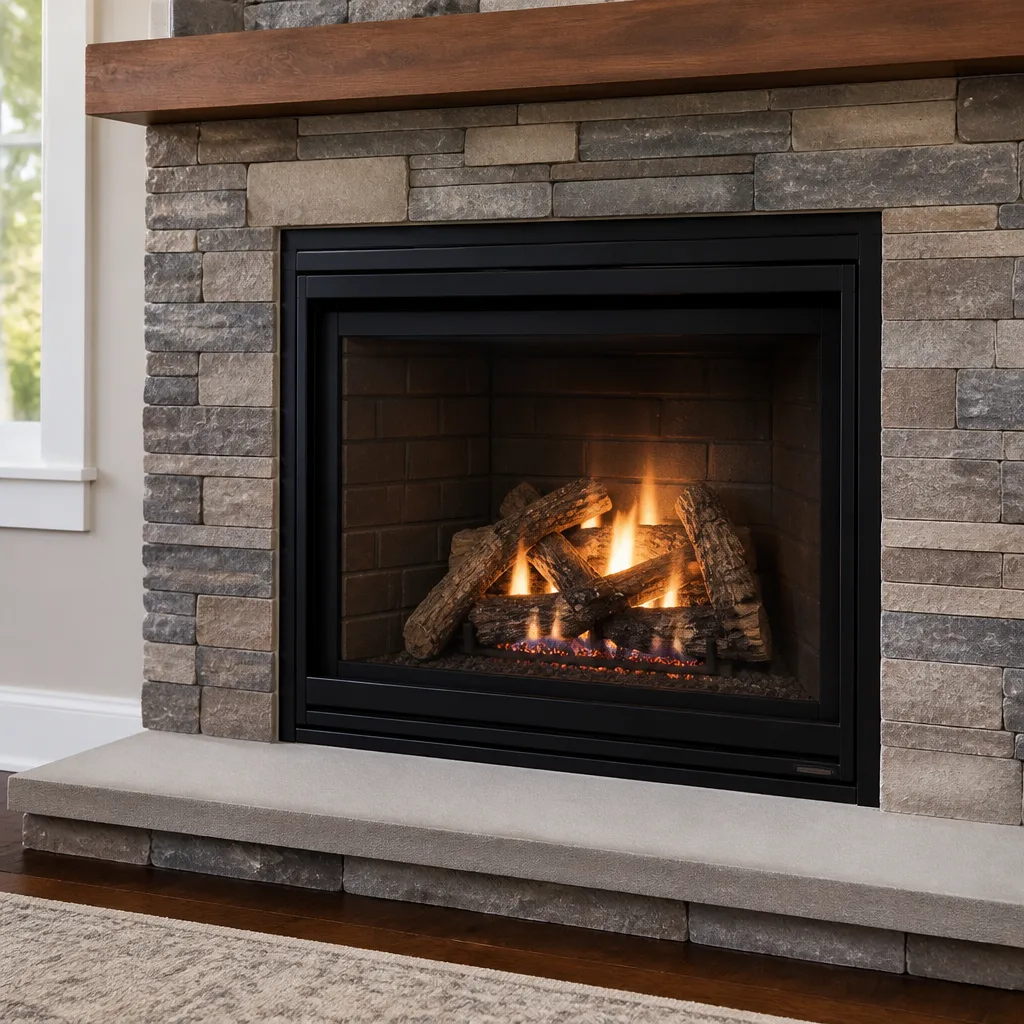
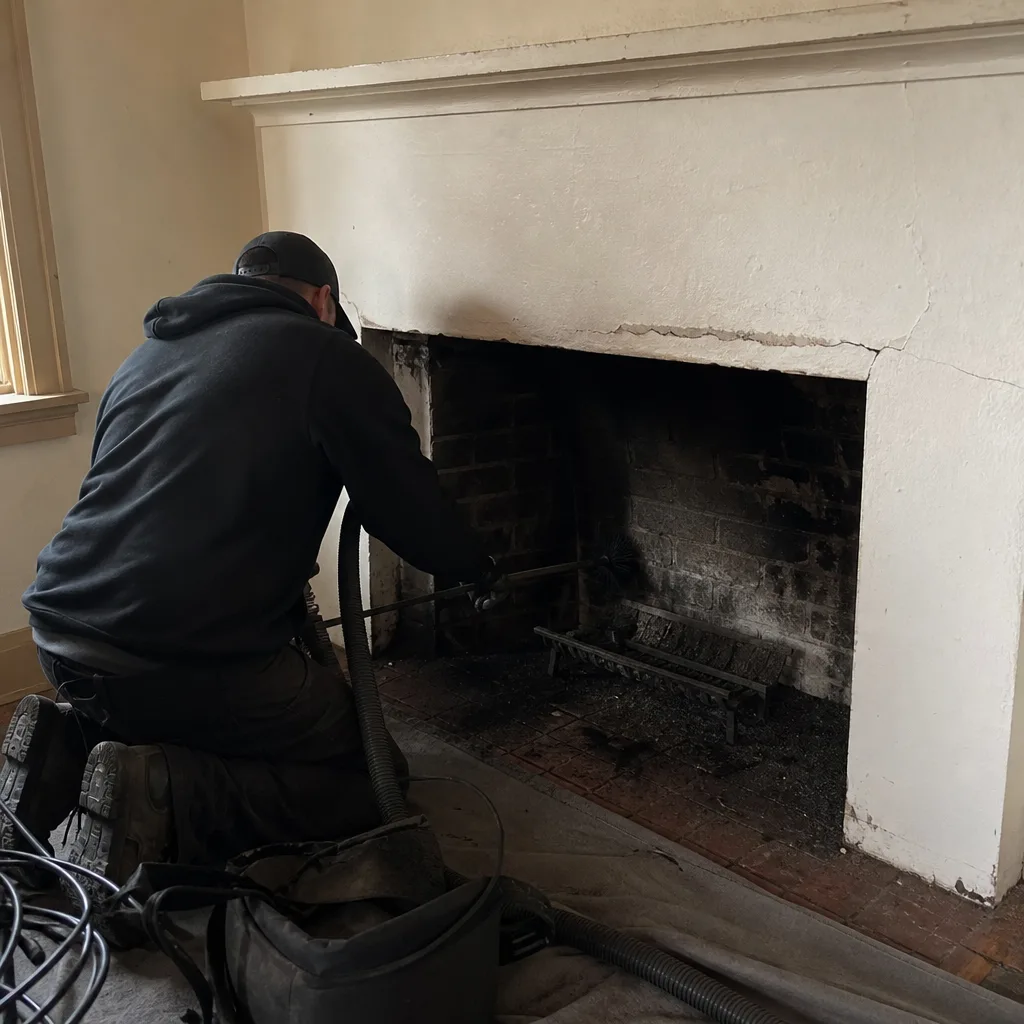 Before
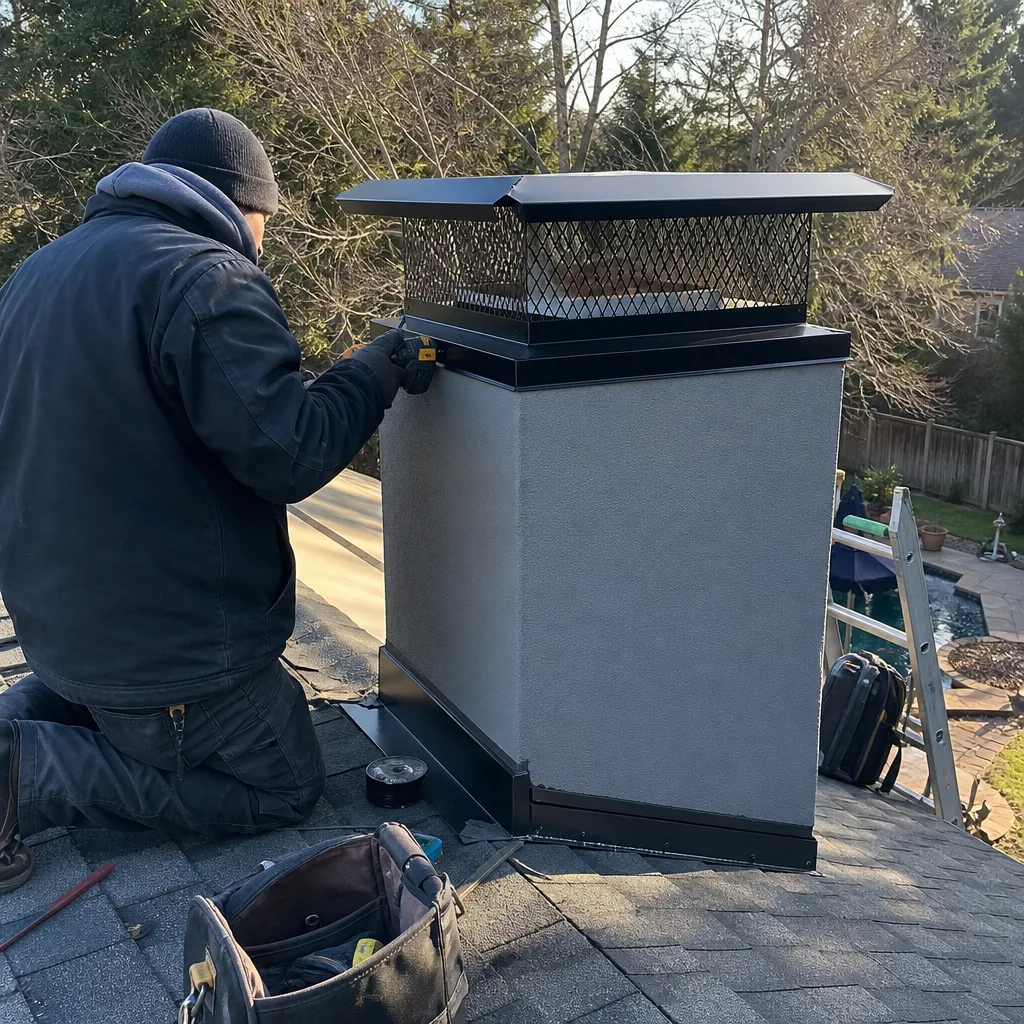 After
After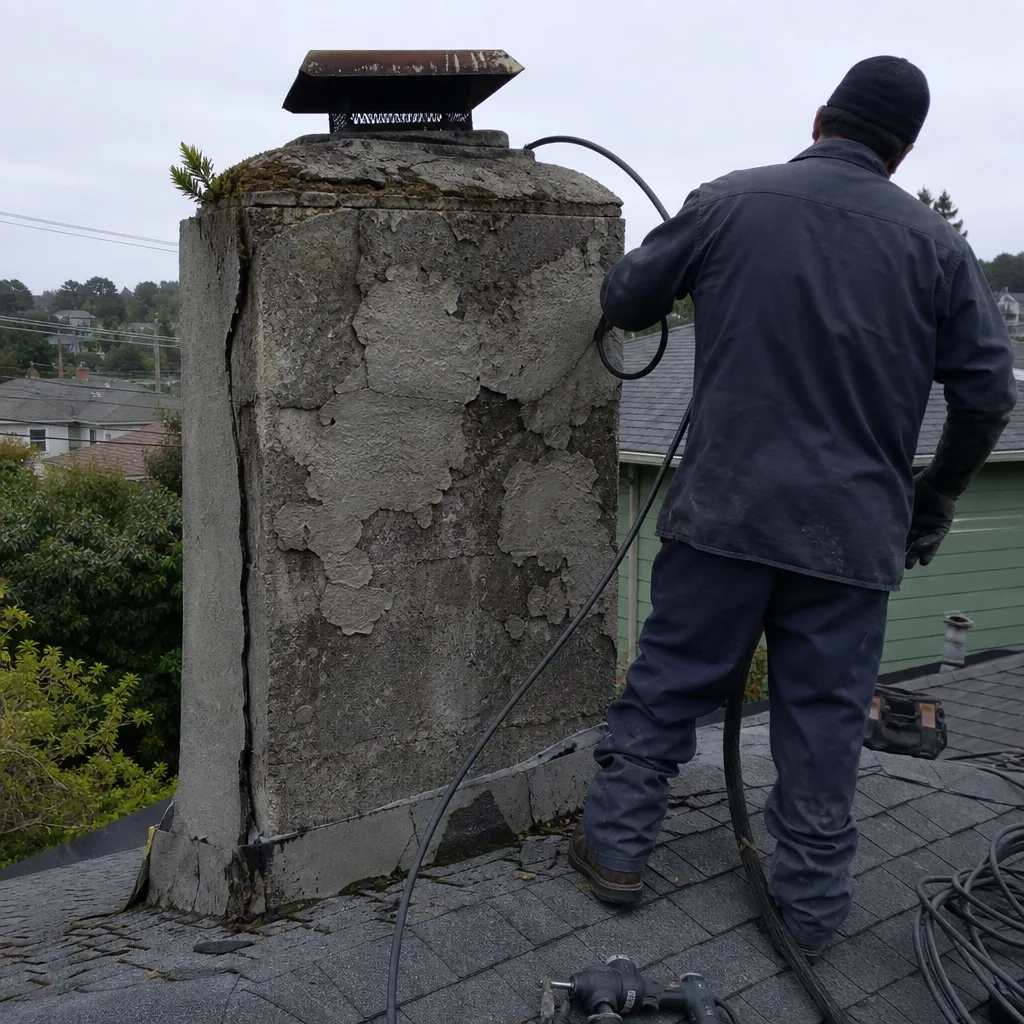 Before
 After
After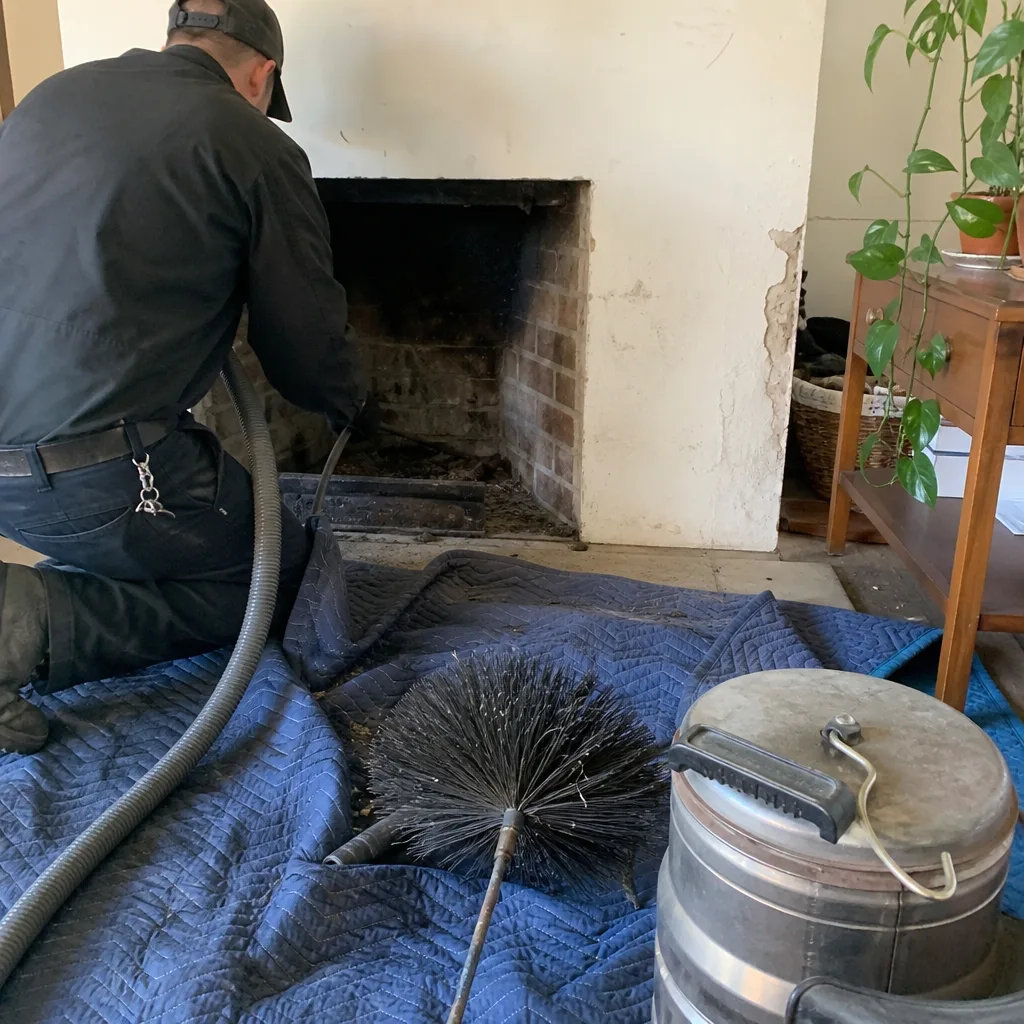 Before
 After
AfterChimney Cleaning & Sweep Maintenance Checklist for Oakland Homeowners
The single most common Oakland chimney call we get in November isn’t from people who skipped maintenance. It’s from homeowners whose sweep visited in October, checked every box on a generic checklist, and missed what actually matters for this house, this fuel, this fog-and-dry climate. A 1920s Craftsman in the Rockridge hills burns differently, vents differently, and deteriorates differently than a 1980s stucco ranch in the San Leandro flats. Our Complete Guide to Chimney Cleaning in Oakland organizes maintenance by what you burn and when your home was built, not by calendar month. You’ll learn what to inspect yourself, what requires a camera, and what to demand in writing so your cleaning becomes a defensible maintenance record.
Quick Answer
Oakland homeowners should schedule Chimney Cleaning & Sweep services before the first fire each season, with frequency determined by fuel type and home era: wood-burning fireplaces in pre-1940 masonry chimneys need annual NFPA 211 Level 2 camera inspections due to seismic vulnerability and moisture intrusion from summer fog cycles; gas inserts in post-1980 construction can often extend to every two years if draft tests clear. Between professional visits, check the cap screen for nesting debris, test draft with a tissue at the firebox opening, and inspect the firebox floor for shifted bricks or mortar loss.
Table of Contents
- Why Generic Checklists Fail in Oakland
- Pre-1940 Masonry: The Rockridge & Claremont Hills Era
- Post-War to 1980: The Oakland Hills Fire Zone
- 1980 to Present: Seismic Upgrades & Factory-Built Systems
- Fuel Type Determines Creosote, Schedule, and Camera Findings
- What Homeowners Can Check Between Sweeps
- The Four Documents That Turn a Cleaning Into a Record
- Common Mistakes to Avoid
- When to Call a Professional
- Frequently Asked Questions
BeforeAfterWhy Generic Checklists Fail in Oakland
Most chimney checklists circulating online were written for climates with hard freezes and dry winters. Oakland’s pattern is different: marine layer fog rolls in from the Golden Gate from June through September, saturating chimney crowns and flashing, then September and October bring dry northeast winds that bake that moisture into thermal stress cracks. By November, the first fire meets a flue that’s been through four months of wet-dry cycling. A checklist that starts with “check for creosote buildup” misses the structural precondition.
We’ve documented this cycle in our records since 2009. In the Montclair and Piedmont Pines areas above 800 feet elevation, we see crown deterioration rates roughly double those in the flatlands near the estuary. The fog lingers longer uphill. Meanwhile, homes in the Temescal and Longfellow neighborhoods, built during Oakland’s 1920s expansion, have unlined brick flues that were never designed for the insert stoves homeowners added in the 1980s. The checklist must match the construction.
The other failure mode is fuel assumptions. National checklists assume seasoned hardwood, typically oak or maple. In Oakland, we see three distinct fuel profiles: homeowners burning pruned eucalyptus from hillside properties (high oil content, rapid creosote formation), those burning almond or oak from Central Valley suppliers, and those using manufactured logs from grocery stores. Each produces different deposit patterns. A camera scan showing glazed creosote (Class III, hardened and reflective) tells a different story depending on whether the fuel was eucalyptus or a Duraflame-style log.
Finally, seismic risk is absent from nearly every generic checklist. Oakland sits on the Hayward Fault trace, and pre-1940 unreinforced masonry chimneys represent a documented collapse hazard in a moderate earthquake. A maintenance checklist that doesn’t include crack mapping and mortar joint assessment isn’t serving this market.
Pre-1940 Masonry: The Rockridge & Claremont Hills Era
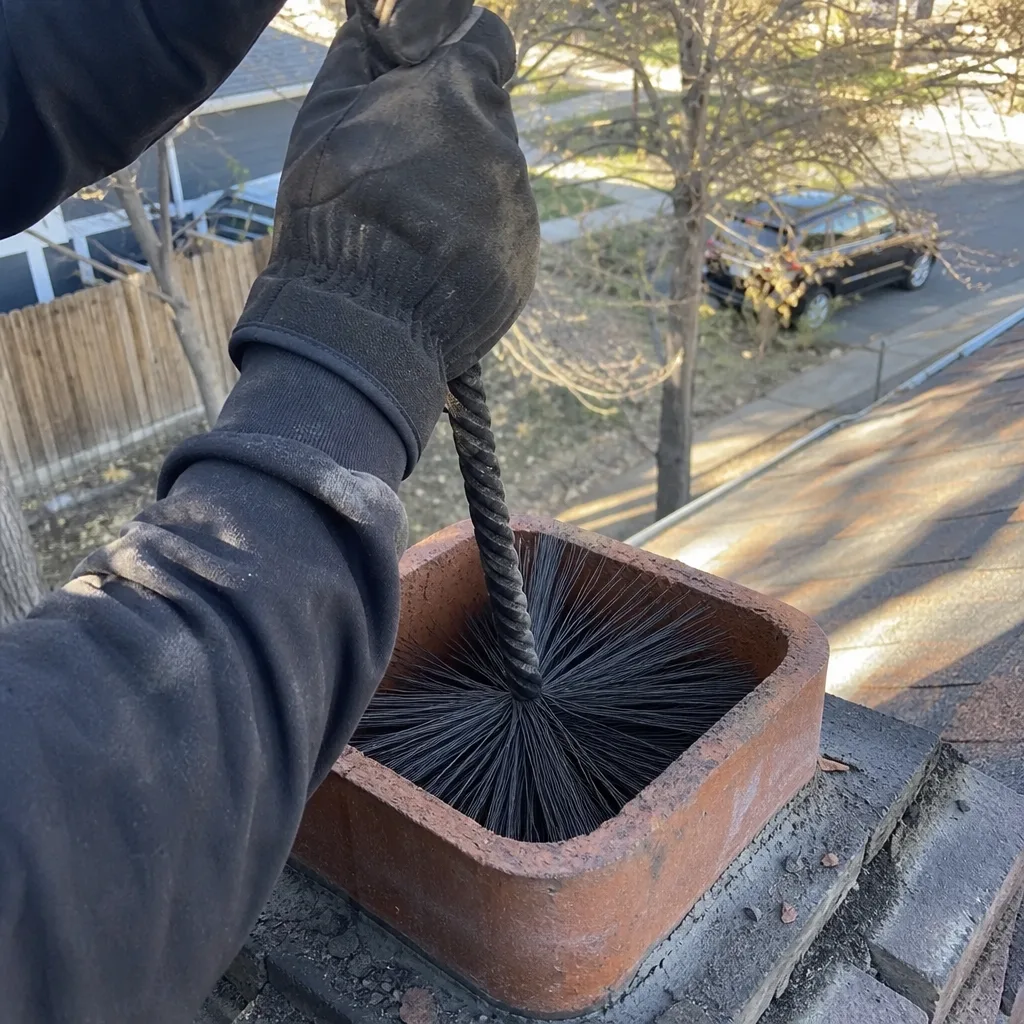
Homes built before 1940 in Oakland neighborhoods like Rockridge, Claremont Hills, Piedmont Pines, and upper Montclair share common chimney characteristics: unreinforced brick construction, often without a clay flue liner, with foundations that may not be tied to the house frame. These chimneys were designed for coal or early oil heat, then adapted to wood burning, then adapted again to gas inserts. Each adaptation left stresses the original construction didn’t anticipate.
Annual inspection items specific to this era:
- Seismic crack mapping. Look for stair-step cracks in the exterior brick, particularly at the roofline and where the chimney passes through the eaves. Measure and photograph any crack wider than 1/8 inch. These cracks propagate during fog-season thermal cycling, then widen abruptly in seismic events. We flag any crack progression year-over-year as a priority repair.
- Flue liner assessment. Many pre-1940 chimneys have no liner, or a liner added in the 1960s that’s now deteriorating. Our camera scan looks for exposed brick, mortar loss, or shifting clay tiles. Burning wood in an unlined flue is a code violation under California Building Code and a significant fire hazard, as combustion gases penetrate porous brick and ignite adjacent framing.
- Smoke chamber parging. The smoke chamber (the area above the firebox that funnels smoke into the flue) in these homes was often left corbeled, brick stepped inward without a smooth parge coat. This creates turbulence and creosote accumulation points. We check for deteriorated parging and recommend HeatShield smoke chamber sealant where the surface is rough or spalled.
- Crown condition after fog season. The concrete crown at the chimney top is the primary moisture barrier. In Oakland’s summer fog pattern, crowns develop hairline cracks that admit water, which then expands in winter freeze-thaw cycles (yes, even mild Oakland winters produce enough freeze at roofline elevation). We look for crown separation from the flue tile, alligatoring surface texture, or missing drip edges.
- Foundation settlement indicators. Check for a lean in the chimney stack, gaps between the chimney and siding, or cracked chimney breast plaster inside the home. These suggest foundation movement common in hillside construction on fill or expansive clay soils.
Cleaning frequency for active wood-burning in pre-1940 chimneys: annually, minimum. The combination of unlined or partially lined construction, often oversized flue dimensions, and aged mortar means creosote adheres more aggressively and fire risk compounds.
Post-War to 1980: The Oakland Hills Fire Zone
The post-war building boom in Oakland produced thousands of homes in the hills above Highway 13 and in the Diamond District, Maxwell Park, and Redwood Heights neighborhoods. These homes typically have clay flue liners, poured concrete foundations tied to the structure, and chimneys built during a period of evolving seismic code. But the critical context for this era is the Oakland Hills Fire of October 1991. Many chimneys in this zone were damaged by extreme heat exposure, then repaired hastily in the reconstruction period. We’re still finding those repairs failing.
Inspection priorities for 1945-1980 construction:
- Liner joint displacement. Clay flue tiles in this era were often set with mortar joints that degrade after 40-60 years of thermal cycling. Our camera scan looks for offset joints, gaps between tile sections, or tiles that have shifted to create a ledge where creosote accumulates. A displaced liner joint is a concealed fire pathway to the chimney wall.
- 1991 fire damage legacy. If the home was in the fire zone or adjacent to it, we inspect for heat-spalled brick (surface flaking from rapid heating and cooling), damaged liner sections that were never replaced, or crown repairs that used inappropriate materials. We’ve found Portland cement crowns poured over damaged flue tiles in homes on Snake Road and Grizzly Peak Boulevard, hiding structural damage beneath.
- Clearance to combustibles. Mid-century construction often framed chimney chases with minimal clearance, particularly where second-story additions modified the original roofline. We verify that framing remains at proper distance from the masonry, especially where insulation or weatherization projects may have altered the original air gaps.
- Gas conversion integrity. Many wood-burning fireplaces in this era were converted to gas logs or inserts in the 1980s and 1990s. We verify that the gas line penetration is properly sealed, that the damper has been modified or locked open per code, and that the flue size matches the appliance output. An oversized flue with a low-BTU gas insert can produce condensation damage and failed draft.
Cleaning frequency: wood-burning annually; gas conversions every two years with annual visual inspection of the firebox and damper operation. The 1991 fire zone adds a recommendation for camera inspection every visit, not alternating years, until the chimney’s post-fire history is fully documented.
1980 to Present: Seismic Upgrades & Factory-Built Systems
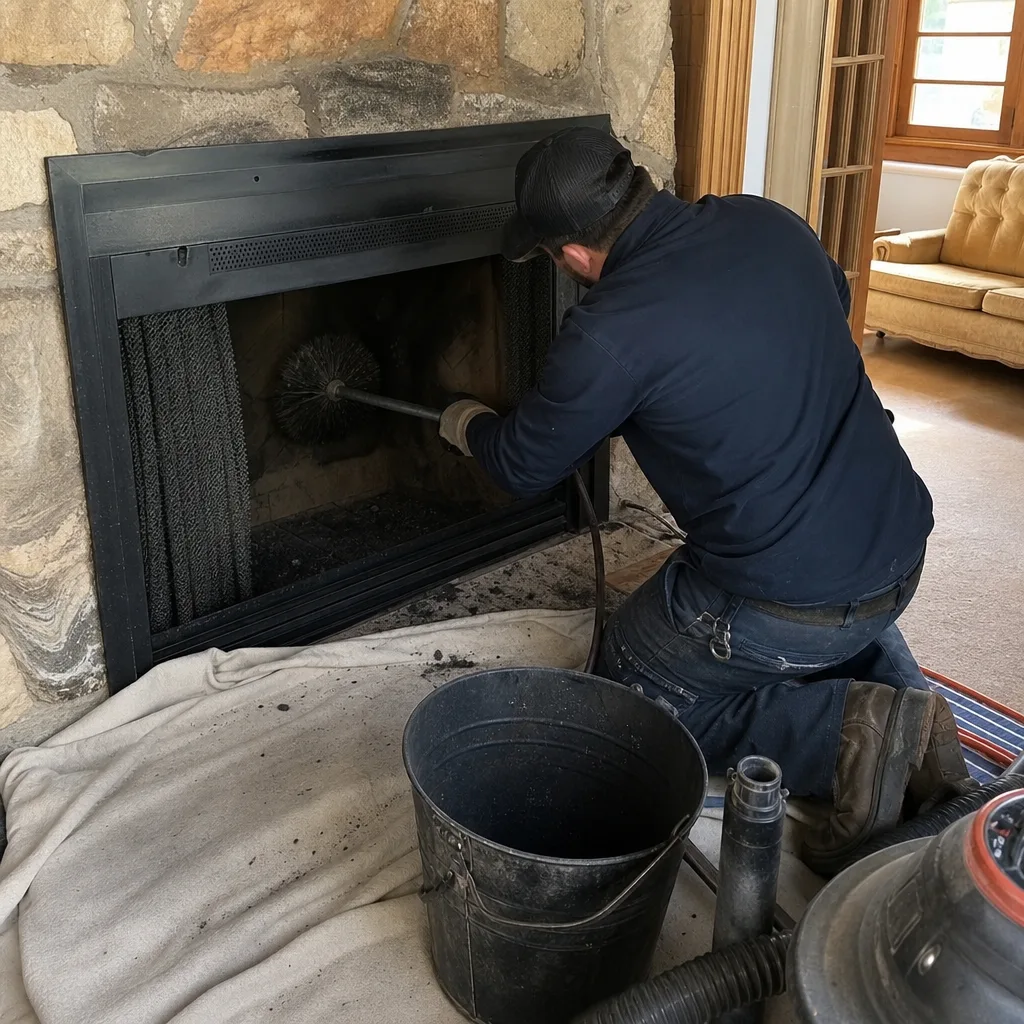
Post-1980 Oakland construction, particularly in the Oakmore, Crocker Highlands, and lower Piedmont areas, reflects stricter seismic codes and the introduction of factory-built chimney systems (metal chimneys with listed clearances) alongside reinforced masonry. These systems perform differently and fail differently.
Factory-built metal chimney systems:
These are common in homes with zero-clearance fireplaces, particularly those built in the 1980s and 1990s. The system consists of a listed metal chimney assembly with specific clearance to combustibles, a manufactured firebox, and a chase (often sided to match the house) that encloses the metal chimney. Failure modes are distinct from masonry:
- Chase top deterioration. The chase top is a metal cover, often galvanized steel, that seals the chase opening around the flue pipe. In Oakland’s fog-and-salt-air environment, particularly for homes with bay views in the Montclair or Joaquin Miller areas, these rust through in 15-25 years. Water enters the chase, damages the metal chimney, and rusts the firebox. We inspect chase tops annually after year 15.
- Missing or damaged chase top spark arrestor. The screen around the flue termination prevents ember escape and animal entry. We’ve removed starling nests from chase tops in Glenview and Redwood Heights that completely blocked the flue. A blocked factory-built chimney overheats the metal and can ignite the chase framing.
- Improper appliance changeouts. Homeowners often replace the original factory-built fireplace with a higher-efficiency insert without verifying that the existing metal chimney is listed for the new appliance temperature and draft characteristics. This is a common finding in homes where the original builder-grade fireplace was upgraded in the 2010s.
Reinforced masonry post-1980:
These chimneys include rebar and grout in the cells, seismic ties at the roofline, and typically clay flue liners or stainless steel liners for gas. Inspection focuses on liner integrity, crown condition, and the condition of seismic ties. We document these with photos per Haven Standard Clause 4, creating a year-over-year comparison that catches gradual deterioration before it becomes hazardous.
Cleaning frequency: factory-built systems burning wood, annually; gas systems, every two years with visual inspection of the chase top and firebox annually. Reinforced masonry follows the same schedule as pre-1940 but with lower structural concern and higher focus on liner and appliance matching.
Fuel Type Determines Creosote, Schedule, and Camera Findings
The fuel you burn in Oakland shapes what we find in the flue more than any other single variable. Here’s how three common fuels compare, based on our camera documentation since 2009.
Eucalyptus (common in hillside neighborhoods):
Blue gum and red ironbark eucalyptus, abundant in Oakland’s hillside properties, are high in oil content and burn hot and fast. The creosote they produce is typically Class II or Class III (glazed, hardened, and reflective) within a single season of regular use. In camera scans, we see thick, tar-like deposits that adhere to flue walls and resist standard brushing. These deposits have a distinct amber-to-black coloration and often show drip patterns where the oils have migrated before condensing.
Cleaning frequency: twice per season for heavy use (more than three fires weekly), or mid-season inspection with possible second cleaning. We recommend against eucalyptus as a primary fuel; if used, it should be mixed with hardwood and burned only when fully seasoned (minimum 12 months split and stacked).
Oak and almond (purchased seasoned):
Valley oak and almond, properly seasoned to below 20% moisture content, produce Class I creosote (sooty, flaky, easily brushed) under normal burning conditions. Camera scans show loose, powdery deposits that brush clear readily. This is the standard against which other fuels are measured.
Cleaning frequency: annually for regular use, with camera inspection confirming deposit class. Occasional users (fewer than one fire weekly) may extend to every two years if the camera scan shows minimal accumulation and the previous year’s deposit was Class I.
Manufactured logs (Duraflame, Java-Log, etc.):
These produce minimal creosote when burned one at a time in an open fireplace per manufacturer instructions. Problems arise when homeowners burn multiple logs simultaneously or use them in wood stoves, creating excessive heat that overfires the flue. Camera findings in misuse cases include thermal shock cracks in clay liners and scorched, hardened deposits where the flue temperature exceeded design limits.
Cleaning frequency: every two years for proper open-fireplace use; annually if used in stoves, inserts, or with multiple logs. Always follow the one-log rule.
Gas: natural and propane:
Gas produces no creosote but can produce condensation and, in malfunctioning appliances, carbon monoxide. Camera scans of gas flues look for water staining, corrosion of metal liners, and debris from deteriorated chimney caps. The primary concern is draft adequacy and appliance venting match, not deposit accumulation.
What Homeowners Can Check Between Sweeps
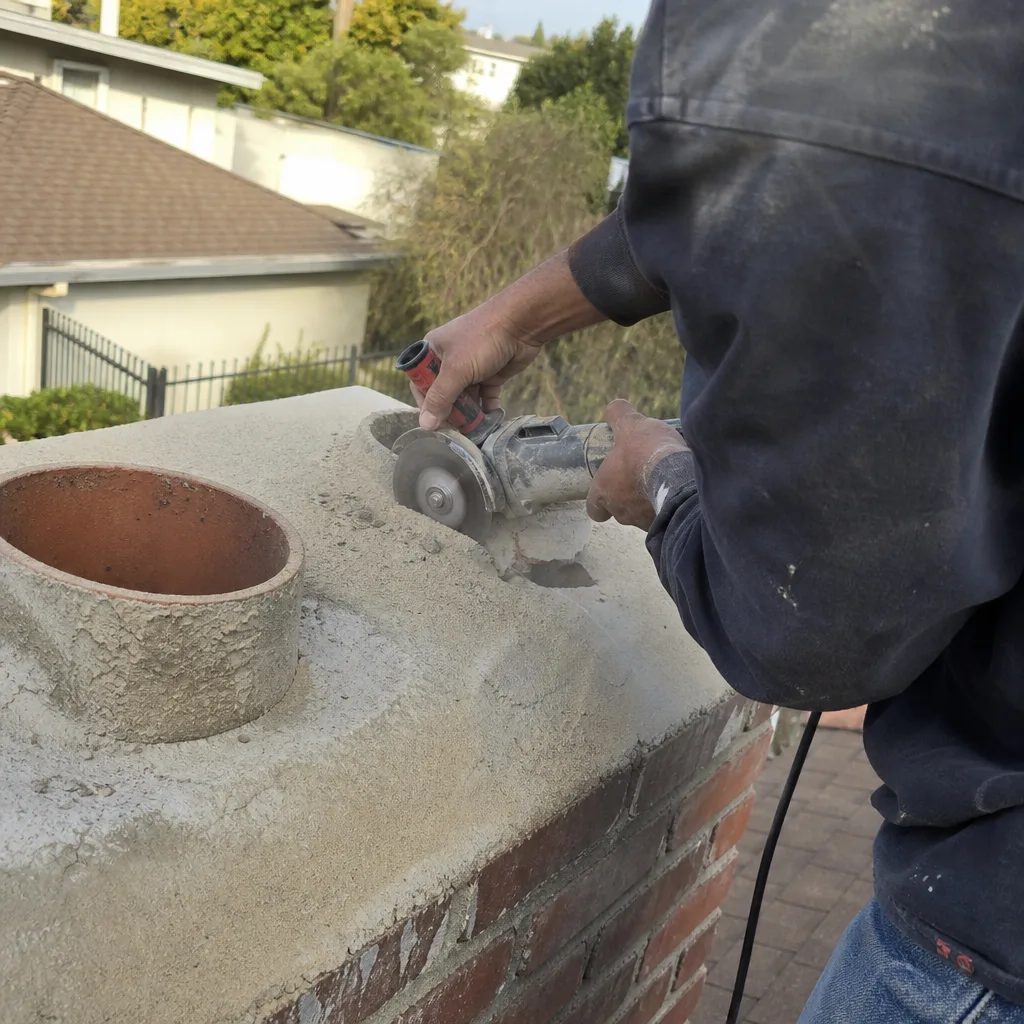
Between professional visits, there are specific checks that Oakland homeowners can perform safely without tools or ladder work. These are not substitutes for NFPA 211 Level 2 inspection, but they catch developing problems early.
Draft test with a tissue:
On a cool day when the house is closed up, open the damper fully and hold a single tissue at the firebox opening. Release it. The tissue should drift upward into the flue, indicating negative pressure and adequate draft. If it falls away or hangs motionless, the chimney has a draft problem: blocked flue, cold plug, negative pressure from HVAC or exhaust fans, or inadequate flue height. Don’t use the fireplace until a professional evaluates the cause. In Oakland’s flatlands near the bay, we’ve seen negative house pressure from tightly weatherized homes overcome chimney draft, particularly with kitchen range hoods and dryer exhaust running simultaneously.
Cap screen check from ground or window:
Using binoculars or a zoom camera from a second-story window, inspect the chimney cap screen for visible debris, nesting material, or damage. In Oakland, starlings begin nesting in March; by May, a cap screen can be fully blocked. We remove nests from caps in the Glenview and Redwood Heights areas every spring. A blocked screen forces exhaust back into the home and creates a carbon monoxide hazard with gas appliances.
Firebox floor inspection:
With a flashlight, examine the firebox floor and rear wall for cracked or shifted firebrick, deteriorated mortar, or rust staining (indicating water entry from above). In pre-1940 homes, check for exposed original brick behind damaged refractory panels. Firebox floor damage allows heat transfer to combustible framing beneath and is an immediate-use stop condition.
Exterior visual from yard:
Look for missing or displaced chimney cap, visible cracks in the crown, mortar loss between bricks, or a lean in the chimney stack. After rain or fog, check for water staining on the chimney breast inside the home. These are indicators that professional evaluation is needed before the next burning season.
What homeowners should NOT do:
Don’t attempt to clean the flue yourself with brushes or chemicals. Don’t climb on the roof to inspect the crown. Don’t operate the fireplace with a known damper malfunction or with the firebox damaged. These are trained-professional tasks with genuine injury risk.
The Four Documents That Turn a Cleaning Into a Record
A chimney cleaning becomes a defensible maintenance record, useful for insurance claims, home sale disclosures, and warranty disputes, only when it’s documented in writing. At Emberly Chimney Cleaners Oakland home, we deliver four documents on every visit under Haven Standard Clause 4, the photo record requirement we’ve maintained since 2009. You should accept nothing less from any sweep you hire.
Document 1: Written scope and price, signed before work begins.
Haven Standard Clause 1 requires a written price, written scope, and written warranty delivered before anyone starts work. This prevents the common bait-and-switch where a low “sweeping” price becomes a multi-thousand-dollar repair recommendation after the tech is already in your home. The written scope defines exactly what will be done: sweeping, camera inspection, specific measurements, and any proposed repairs with line-item pricing. If a company won’t put the price in writing before starting, that’s information about their business model.
Document 2: Camera footage and still photographs.
Haven Standard Clause 4 requires a documented photo record on every job. This means dated, labeled images of the flue interior from top to bottom, the firebox, the smoke chamber, the damper assembly, the crown, and any defects found. Not a single representative photo, a complete record. We archive these for customer access and provide them at the time of service. When a competitor recommends a $4,000 liner replacement, our customers bring us their Clause 4 record for a Free Second Opinion on Any Written Estimate. The camera doesn’t lie; the photo record makes that verifiable.
Document 3: Written condition assessment with measurements.
This document translates camera findings into plain language: creosote class and thickness, liner condition with crack dimensions, crown measurements, clearance dimensions, and appliance match verification. It includes our professional opinion on which conditions require immediate repair, which can be monitored, and which are acceptable. We specify timeframes for recommended follow-up.
Document 4: Completion warranty and Done Right Promise.
Every job we complete carries the 365-Day Done Right Promise: if it’s not done right, we make it right. This is stamped on every invoice, not implied. The warranty document specifies what is covered, for how long, and how to invoke it. For repair work, this includes materials specifications (we source from DuraFlex, HeatShield, Gelco, Olympia Chimney, Famco, and Copperfield through Haven’s buying network) and installation standards referenced.
These four documents transform a discretionary expense into a maintained asset with a paper trail. In Oakland’s competitive real estate market, a documented chimney maintenance record is a meaningful selling point. In an insurance dispute after a chimney fire, it’s evidence of due diligence.
Common Mistakes to Avoid
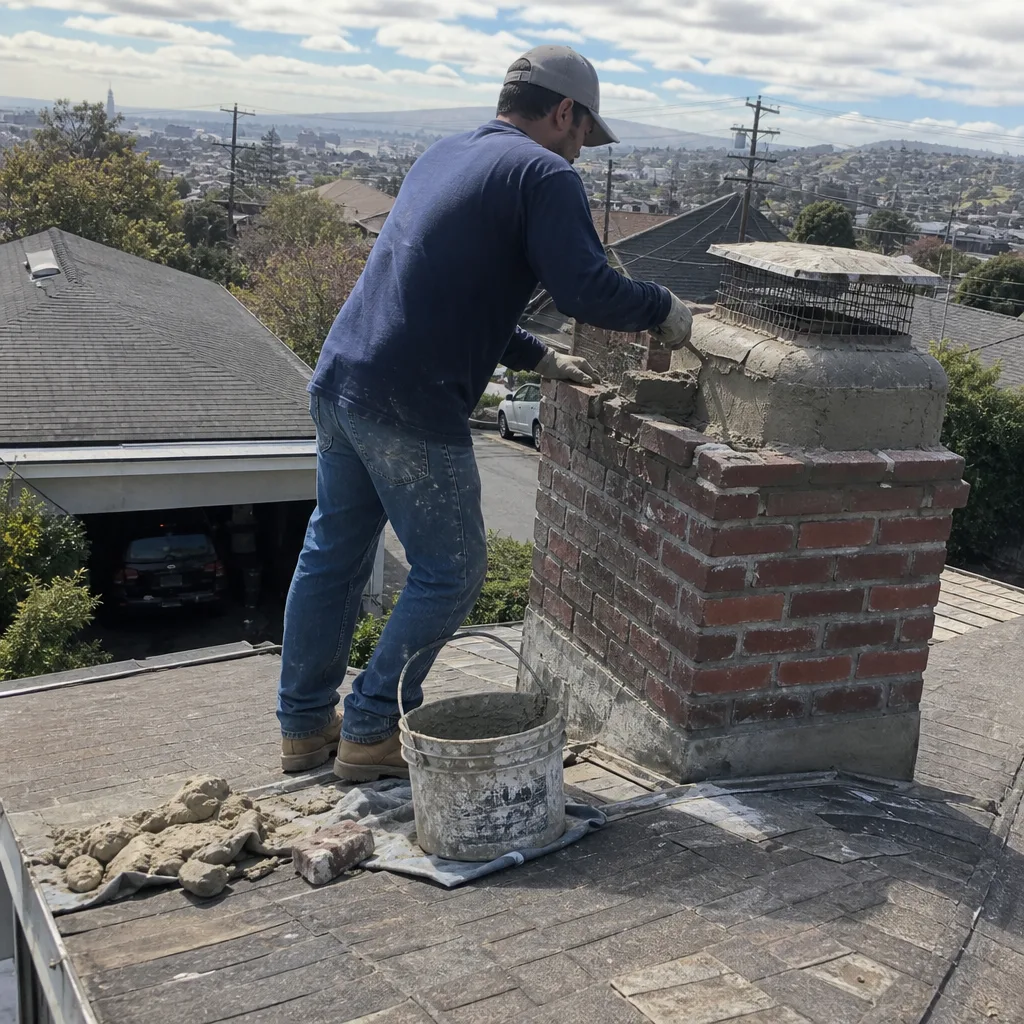
- Hiring based on lowest sweep price without verifying inspection standard. A $99 sweep that includes no camera inspection and no written documentation is not comparable to a documented NFPA 211 Level 2 service. The cost difference is the cost of information you’re not receiving.
- Burning eucalyptus because it’s free from yard pruning. The creosote accumulation from unseasoned eucalyptus can exceed safe flue capacity in a single season. We’ve documented chimney fires in Oakland homes where the homeowner never burned purchased wood, only pruned hillside eucalyptus.
- Assuming gas fireplaces need no maintenance. Gas flues accumulate debris, suffer water intrusion, and can develop draft problems. The absence of creosote doesn’t mean the absence of hazard. Annual visual inspection and biennial camera inspection are appropriate.
- Ignoring fog-season crown damage. Oakland’s summer marine layer is the primary moisture source for chimney deterioration. Waiting until November to inspect means the damage has been growing since June. Inspect crowns in September, before the burning season.
- Accepting verbal repair recommendations without written estimate or second opinion. The most common consumer complaint in our industry is a sweep who “finds” expensive damage that wasn’t visible before the visit. A written estimate with photo documentation, and our Free Second Opinion on Any Written Estimate policy, protects against this.
- Failing to verify that a chimney professional is licensed and insured in California. C-29 masonry and C-36 plumbing licenses (for gas work) are required for chimney repair in California. General handyman services are not sufficient. We display our license information on every page and on every technician’s uniform.
When to Call a Professional
Call a professional sweep immediately if you observe any of the following, detailed further in our Chimney Cleaning Warning Signs: A Oakland Homeowner’s Reference Guide: visible smoke entering the room during fireplace use; a persistent chemical or tar odor from the fireplace when not in use; a damper that won’t open fully or close completely; water dripping into the firebox; cracks in the firebox floor or rear wall; or a chimney that leans or shows fresh exterior cracking. These are not maintenance items; they’re stop-use conditions.
For routine maintenance, schedule your inspection in September before the seasonal rush. In Oakland, the October-November booking window fills quickly, and fog-season damage that could have been addressed early becomes an emergency when the first cold snap hits.
Chimney Cleaning & Sweep in Oakland from Emberly Chimney Cleaners Oakland includes NFPA 211 Level 2 camera inspection, written price before work starts, and the four-document Haven Standard record. We offer free estimates in Oakland - call (628) 300-1701. Our live phone support runs 24 hours a day, 7 days a week, and our background-checked, uniformed technicians arrive with license information displayed and a text notification when they’re on the way.
Frequently Asked Questions
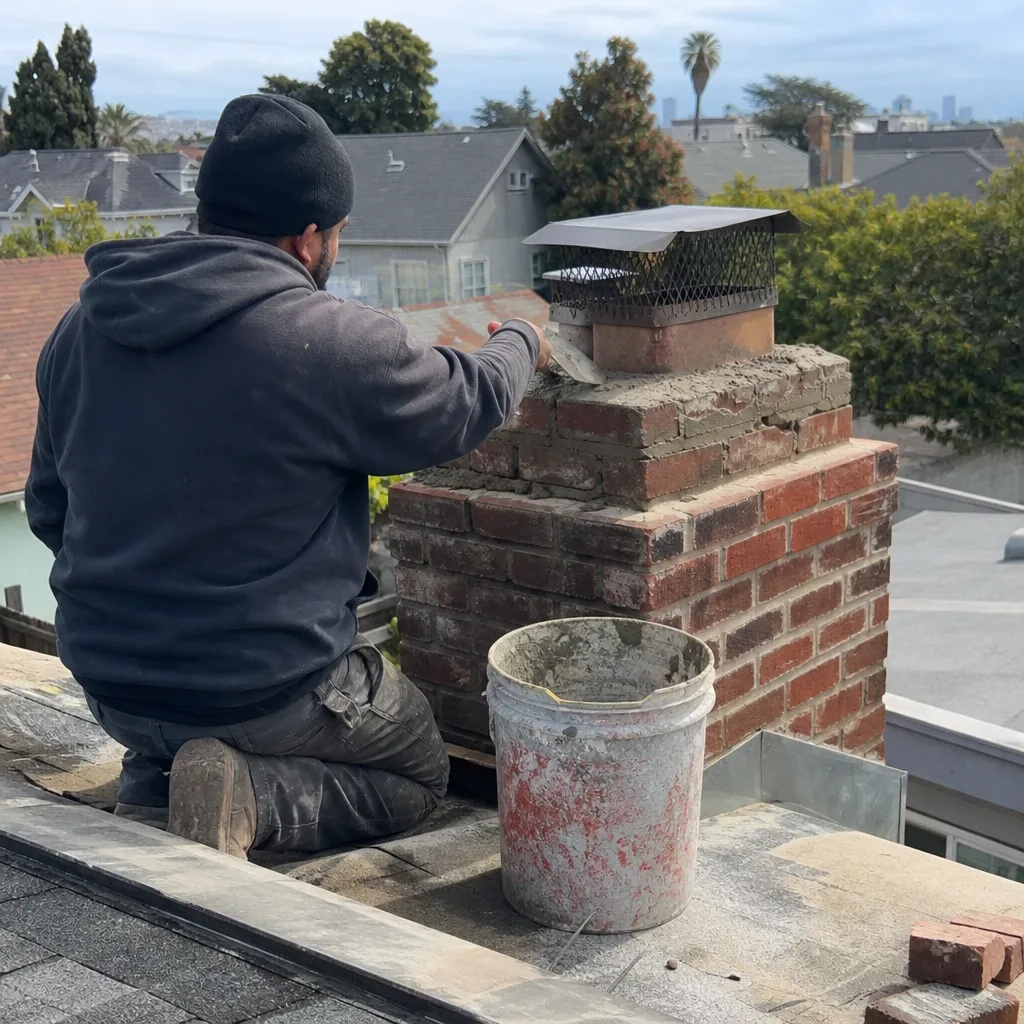
A complete chimney cleaning and NFPA 211 Level 2 camera inspection in Oakland typically ranges from $280 to $450 for a standard masonry fireplace, depending on accessibility, deposit accumulation, and whether the flue requires rotary mechanical cleaning for glazed creosote. Factory-built systems and gas fireplaces generally fall at the lower end of this range; pre-1940 masonry with unlined flues or significant deposit buildup may fall at the higher end. Every job is quoted in writing before work begins under Haven Standard Clause 1, with no post-arrival price changes. Call (628) 300-1701 for an exact quote - estimates are free.
You should not accept a liner replacement recommendation without dated, labeled camera footage showing the specific damage, a written explanation of why the existing condition is hazardous rather than merely aged, and a second opinion if you have any doubt. Common legitimate reasons for liner replacement in Oakland include: unlined brick flues in pre-1940 construction (code violation and fire hazard); clay tile liners with displaced, cracked, or missing sections visible on camera; and stainless steel liners with corrosion holes or separation at joints. Common unnecessary recommendations include replacing a clay liner with minor surface spalling but intact joints, or replacing a liner to accommodate an appliance that could be properly matched to the existing flue with a different connector. See our more guides & resources for additional help evaluating repair recommendations. Our Free Second Opinion on Any Written Estimate service exists specifically for this concern - bring us a competitor’s written quote and camera record.
Wood-burning fireplaces in regular use should be swept annually, with camera inspection to confirm deposit class and accumulation rate. In Oakland’s fog-and-dry climate, we recommend this schedule regardless of apparent deposit level, because moisture intrusion and thermal cycling create non-deposit hazards (crown cracks, liner joint displacement) that aren’t visible without inspection. Gas fireplaces should receive visual inspection annually and camera inspection every two years. Occasional wood burners (fewer than one fire weekly) may extend to every two years if the previous camera scan showed minimal Class I deposits and no structural concerns - but the first few inspections should be annual to establish your chimney’s specific accumulation rate.
The most common consequence is a chimney fire: ignited creosote deposits that can reach 2,000 degrees Fahrenheit, cracking clay liners, damaging masonry, and potentially igniting adjacent framing. In Oakland’s older housing stock with balloon framing or minimal fireblocking, this can spread rapidly. Less dramatically but more commonly, skipped maintenance leads to progressive moisture damage: fog-season water intrusion through a deteriorated crown or flashing rusts the damper, damages the firebox, and stains interior finishes. For gas systems, skipped inspection means a blocked flue, failed draft, or cracked heat exchanger can vent carbon monoxide into living spaces without visible warning. The cost of annual maintenance is a fraction of the cost of fire damage repair, liner replacement after thermal damage, or medical consequences of CO exposure. Call (628) 300-1701 to schedule before the season fills.
Homeowners can perform the basic checks described in this guide: draft test, cap screen visual, firebox floor inspection. We do not recommend DIY flue cleaning. Proper chimney sweeping requires roof access for thorough debris removal, specialized brushes sized to the flue dimension, and camera equipment to verify that cleaning was complete and no damage occurred. More critically, without a camera inspection, you cannot know whether your cleaning addressed the actual hazard - a cracked liner or displaced tile is invisible from below and unaffected by brushing. The injury risk from ladder work and roof access in Oakland’s hillside neighborhoods, with steep pitches and frequent fog-related slip hazards, is substantial. Professional service with documented record is the appropriate standard.
Three factors distinguish Oakland: the fog-and-dry thermal cycling that accelerates crown and mortar deterioration, particularly above 600 feet elevation; the concentration of pre-1940 unreinforced masonry chimneys with seismic vulnerability and often unlined flues; and the prevalence of eucalyptus as a free but high-creosote fuel source in hillside neighborhoods. Berkeley and Piedmont share some characteristics but have different housing stock concentrations; San Leandro and Hayward have more post-1980 construction with factory-built systems and fewer fog-exposure hours. A checklist written for San Jose’s drier climate or San Francisco’s uniformly older housing won’t match Oakland’s mixed-era, mixed-fuel, fog-stressed environment. Our inspection protocols were developed specifically from 38,000+ documented Oakland-area chimney records since 2009.
The Bottom Line
Effective chimney maintenance in Oakland requires matching the checklist to your home’s construction era and your fuel type, not following a generic seasonal calendar. Pre-1940 masonry demands annual camera inspection with seismic crack mapping; post-1980 systems need chase top and factory-built component monitoring; all active wood-burning requires deposit class verification that only a camera provides. Between professional visits, perform the draft test, cap screen check, and firebox inspection we described. Most importantly, demand the four Haven Standard documents on every service: written price and scope before work, complete photo record, written condition assessment with measurements, and completion warranty. A cleaning without documentation is an expense; a cleaning with documentation is an asset. For Chimney Repair in Oakland or Fireplace Services in Oakland, or to schedule your documented inspection, call Emberly Chimney Cleaners Oakland at (628) 300-1701. Estimates are free, written, and delivered before any commitment.
Written by Corrine Halstead, Owner at Emberly Chimney Cleaners Oakland, serving Oakland since 2009.