
Last updated September 22, 2026
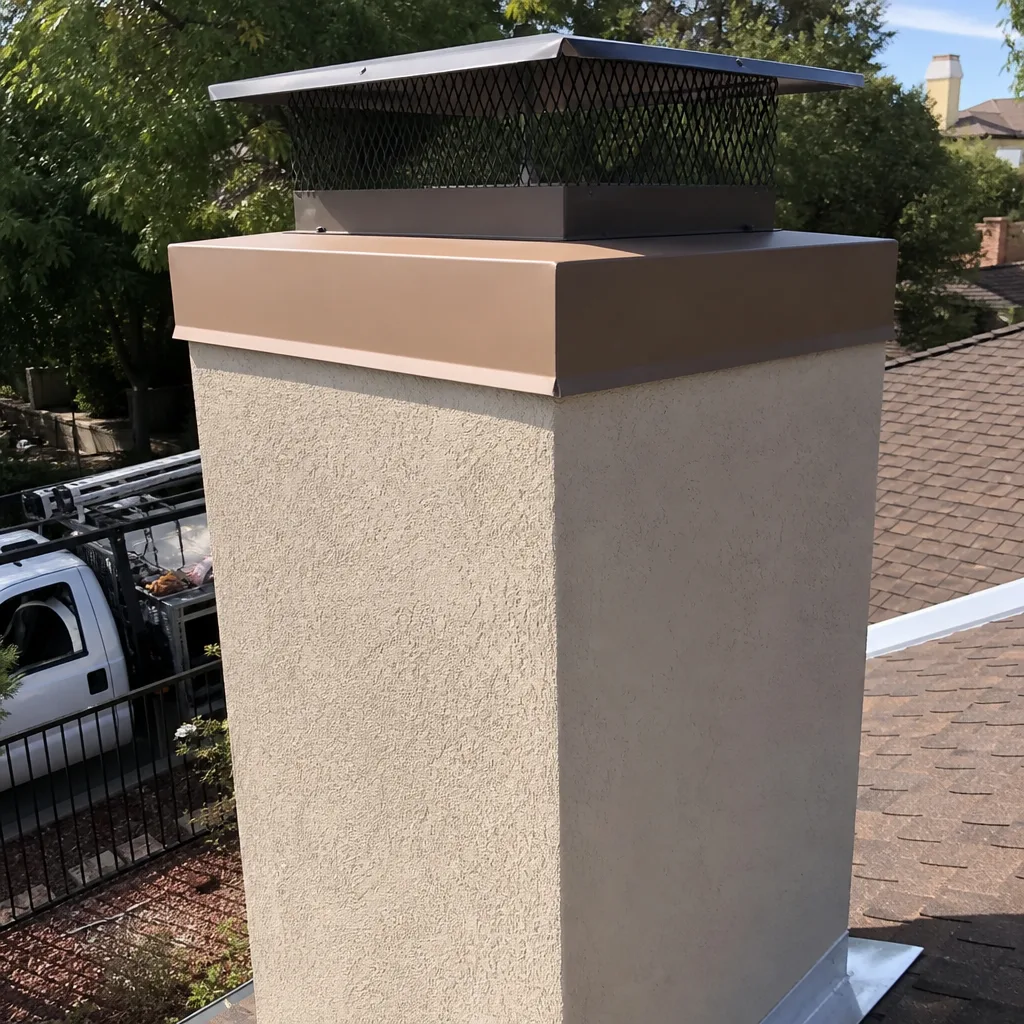
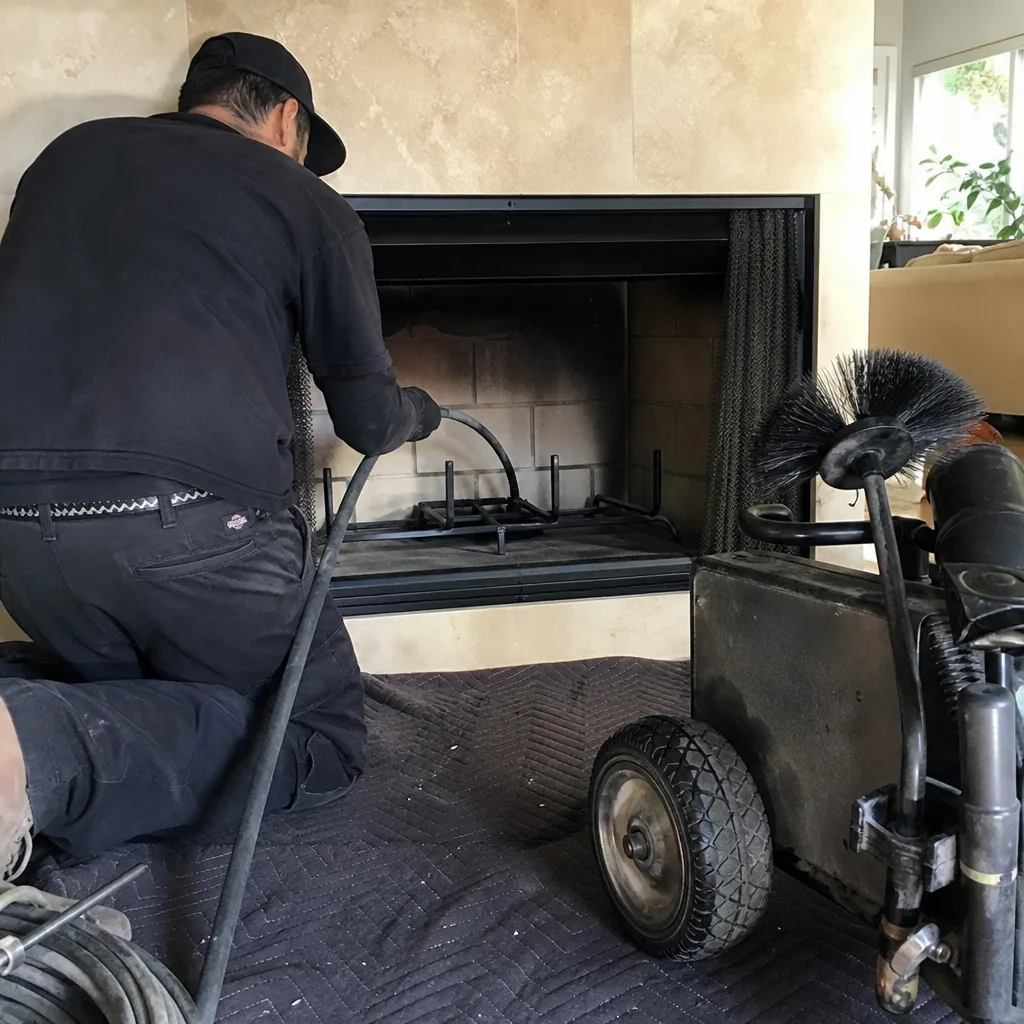
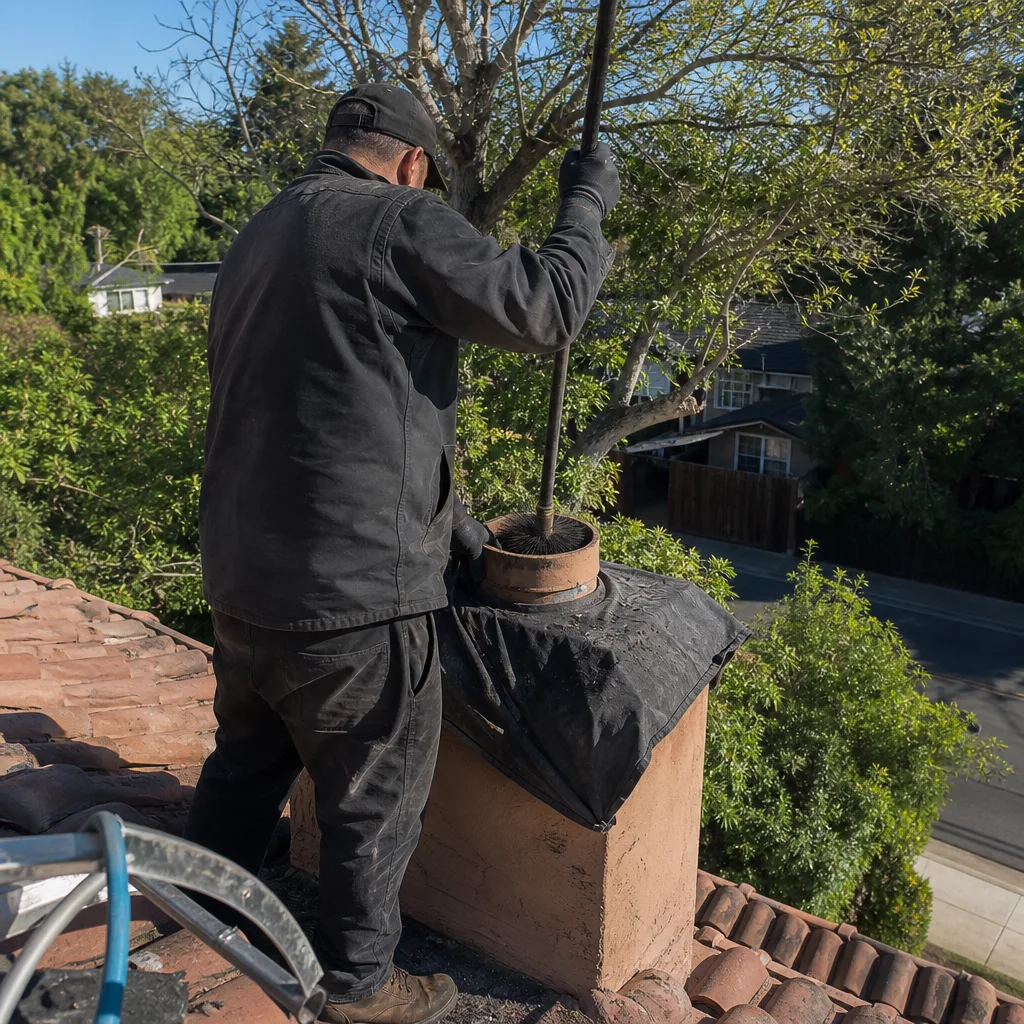
Level 1 sweep and inspection to the NFPA 211 annual standard - flue, crown, cap, and flashing checked and photographed
Chimney sweep logs do not sweep chimneys. They loosen some creosote - which then falls where a brush and vacuum still have to collect it.
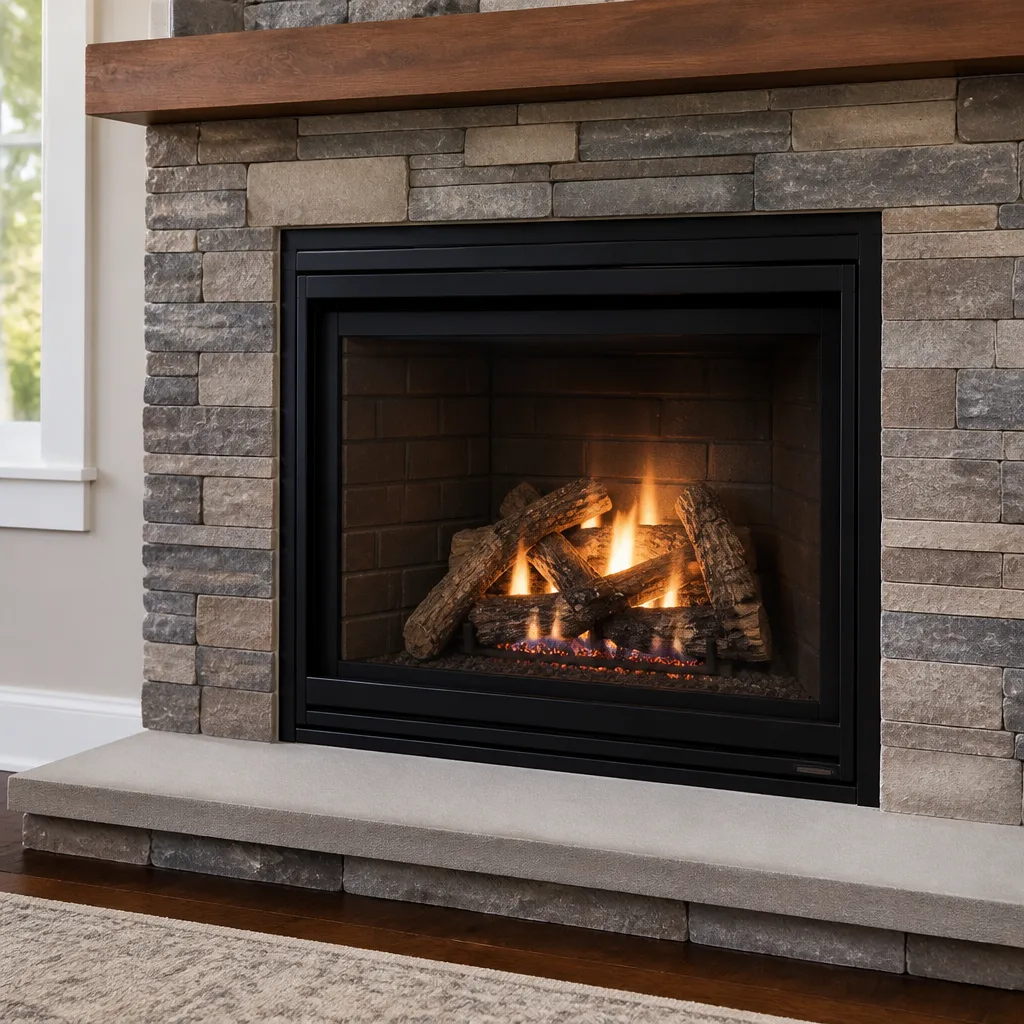
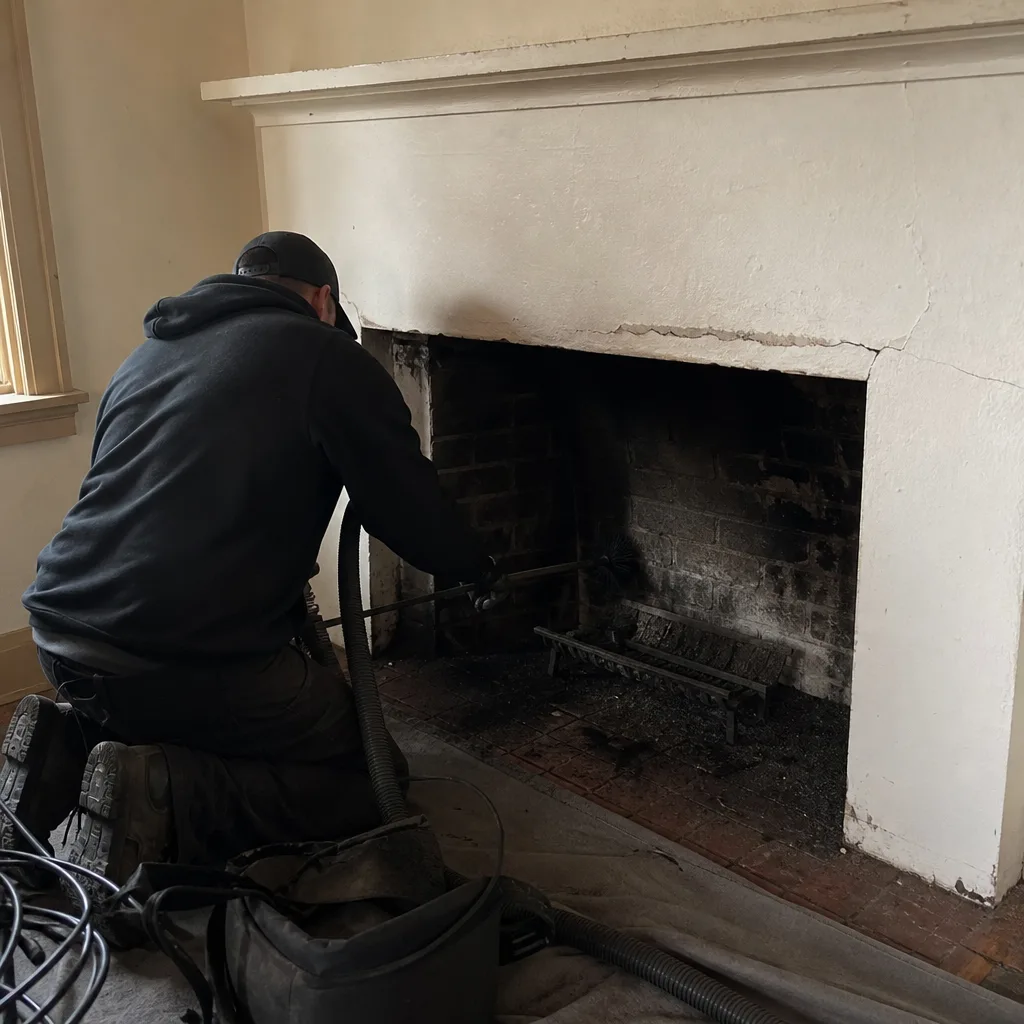 Before
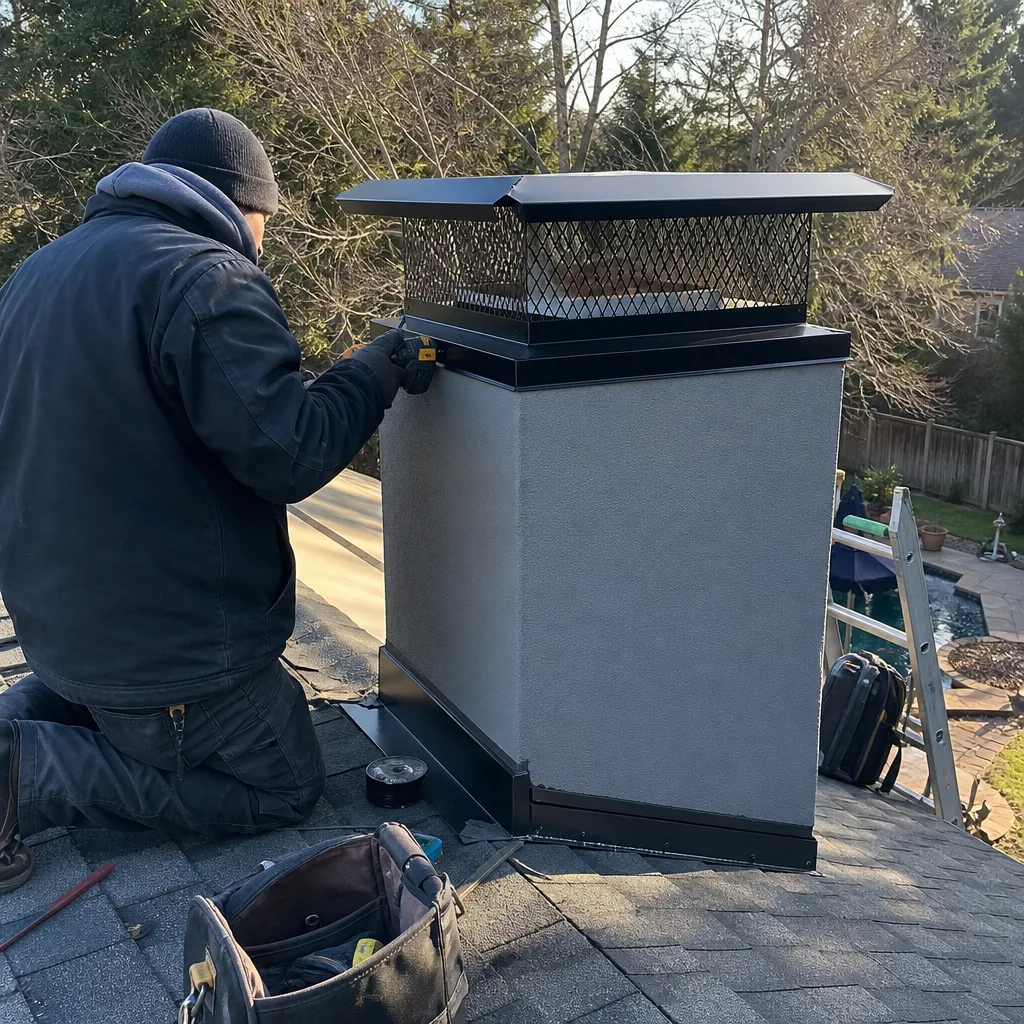 After
After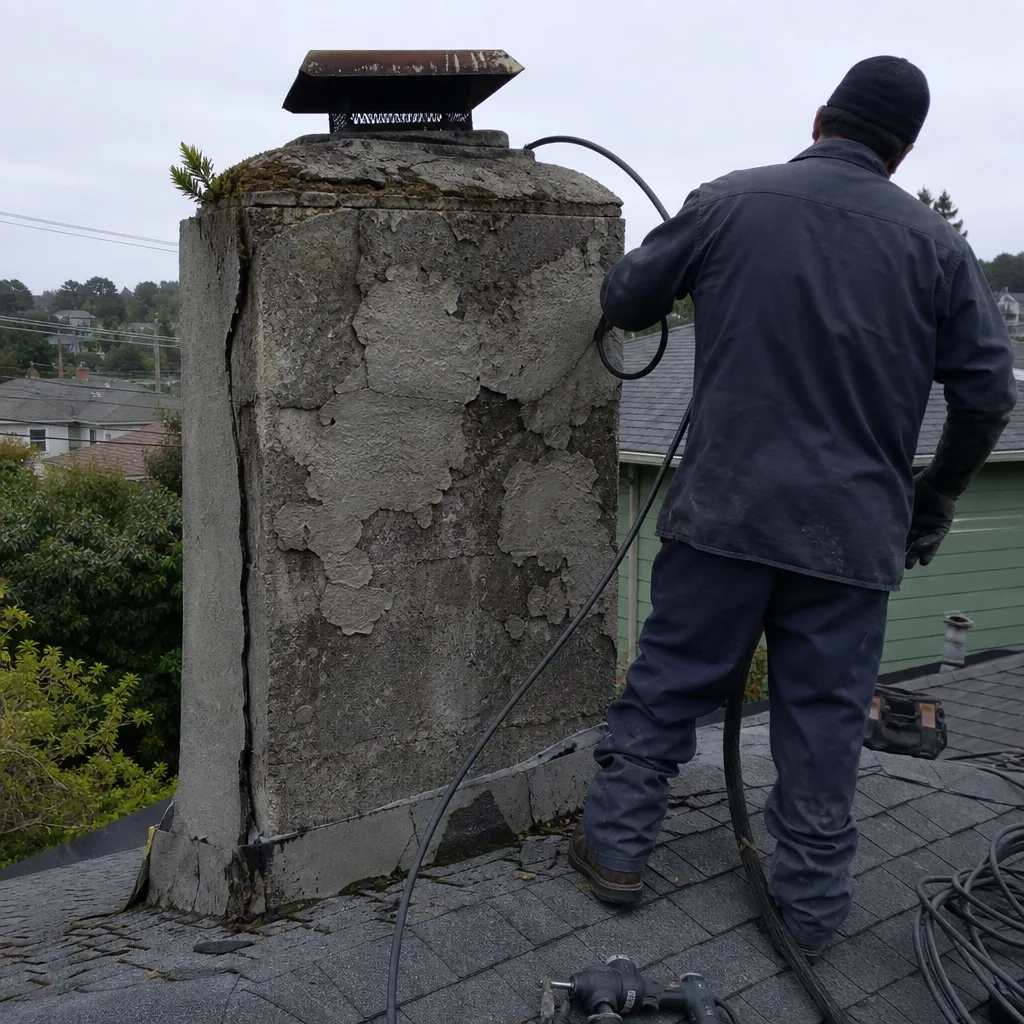 Before
 After
After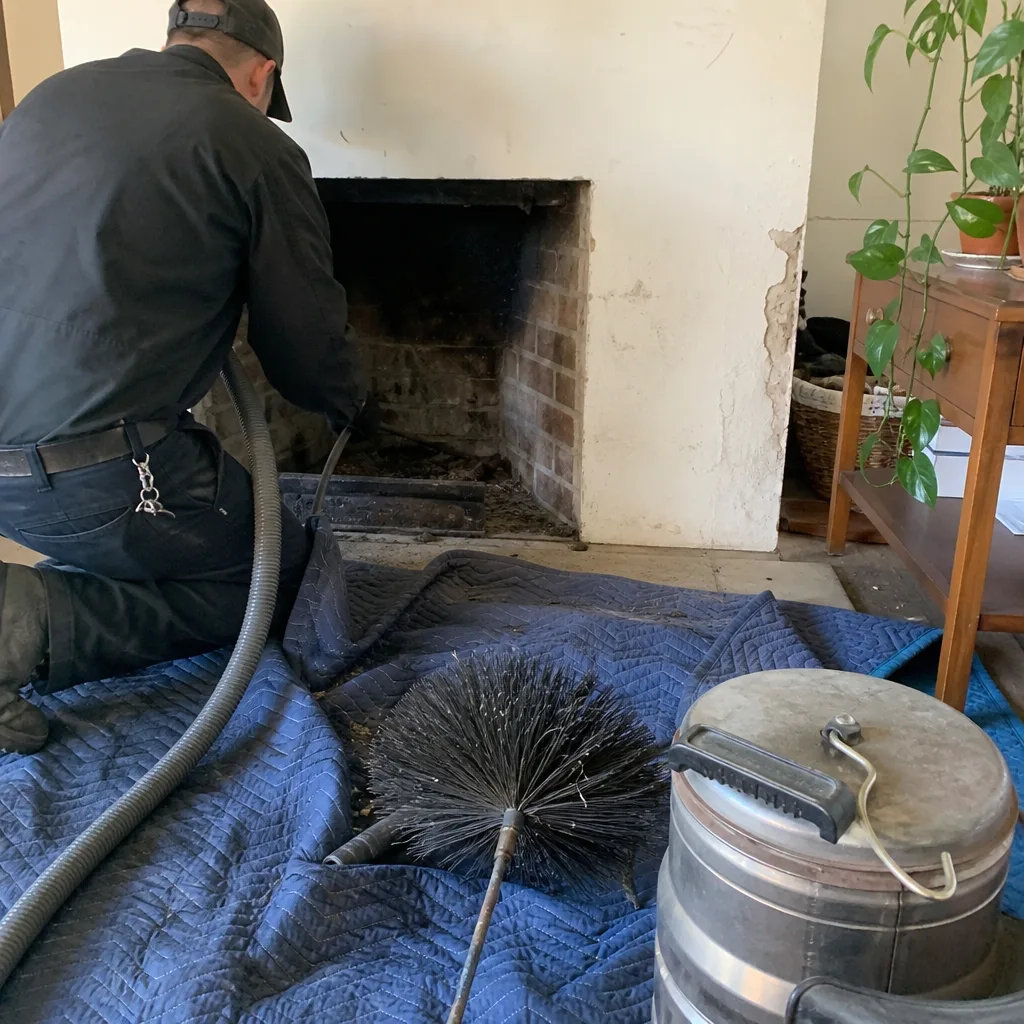 Before
 After
AfterSeasonal Chimney Cleaning Care for Oakland: Year-Round Homeowner’s Guide
Most Oakland homeowners schedule chimney cleaning in October before fire season. The cracks that cause the most expensive repairs, however, open between April and August - during the months no one is thinking about their fireplace. Salt-laden fog rolls through the Oakland Hills, Rockridge, and Montclair for six months straight, working moisture into mortar joints and crown surfaces while the chimney sits cold and unprotected. By the time you light the first fire in November, the damage is already done. This guide walks through what to do each season in Oakland’s specific climate, so you’re maintaining the chimney when it actually matters. For Chimney Cleaning & Sweep Maintenance Checklist for Oakland Homeowners, see our detailed resource.
Quick Answer
Oakland homeowners should inspect their chimney in June for moisture damage from fog season, book a camera-scan cleaning in September before the first fire, monitor creosote buildup monthly through winter, and check for flashing and damper corrosion in March after rain season ends. Year-round, keep the chimney cap screen intact and the crown waterproofed - these two items prevent 80% of Oakland’s most expensive chimney repairs.
Table of Contents
- June-August: Fog Season Damage (The Hidden Repair Window)
- September: The Pre-Season Camera Scan
- November-February: Creosote, Fire Frequency & Mid-Season Cleaning
- March-April: Post-Season Inspection After Oakland’s Rain Months
- Year-Round: Two Maintenance Items That Prevent 80% of Major Repairs
- What Seasonal Chimney Maintenance Costs in Oakland
- Oakland-Specific Risks: Hills, Flat Roofs & Older Masonry
- Common Mistakes to Avoid
- When to Call a Professional
- Frequently Asked Questions
- The Bottom Line
BeforeAfterJune-August: Fog Season Damage (The Hidden Repair Window)
This is where Oakland’s chimney calendar inverts from the rest of the country. While Midwest and East Coast homeowners put chimney work off until fall, Oakland’s critical maintenance window opens in June.
The marine layer here carries salt. Not ocean spray - atmospheric salt that deposits on masonry surfaces, especially above 500 feet in the Oakland Hills, Piedmont Pines, and Skyline Boulevard corridors. When fog condenses on a cold chimney crown at 5 a.m., that salt goes into solution. It enters micro-cracks in the crown, the mortar between bricks, and any gap in the flashing. The sun burns off the fog by noon, the water evaporates, and salt crystals expand inside the masonry. Repeat this 180 times over a summer, and you’ve got spalling surface, fretted mortar joints, and crown delamination that won’t be visible from the ground until pieces start falling.
Here’s what happens inside the flue during these months, and why a summer inspection catches what fall misses:
- Water tracks down the flue liner. Even with a cap, humid air enters the flue. On clay tile liners, we see dark water streaks - “tide marks” - that show where condensation has run. Stainless steel liners show corrosion spotting at the joints. A camera scan in June documents these marks before they progress to cracks.
- The smoke chamber absorbs moisture. The smoke chamber, the area above the firebox that funnels smoke into the flue, is often parged (smoothed with mortar). Summer humidity softens old parging. By September, pieces may have fallen. We find this on camera in older Oakland homes near Grand Lake and Adams Point, where chimneys date to the 1920s-1940s.
- Damper corrosion begins. Cast iron and steel dampers sit closed all summer. In Oakland’s fog belt, surface rust forms in weeks. A damper that operated smoothly in May may seize by October. The fix is simple if caught early - cleaning and lubrication. If left, the damper plate warps and requires replacement.
What we look for on a summer inspection, and what it costs to address:
- Crown hairline cracks: $0 if caught - brush-applied crown sealant (we use HeatShield or similar crown-grade materials) prevents water entry. $800-$2,400 if cracks widen and the crown requires rebuild or pour.
- Missing or degraded cap screen: $180-$340 for stainless replacement. Without it, squirrels and raccoons - active all year in Oakland’s urban-wildland interface - nest in the flue.
- Flashing gaps at the roofline: $220-$580 for sealant and counter-flashing repair. Left open, this is the single largest source of interior water damage we see in Oakland’s flat-roof neighborhoods like Temescal and Longfellow.
The key point: a camera inspection in June or July gives you the full summer to schedule non-urgent repairs. Wait until October, and every sweep company in Oakland is booked two weeks out, pushing you into burning season with an unrepaired chimney.
September: The Pre-Season Camera Scan
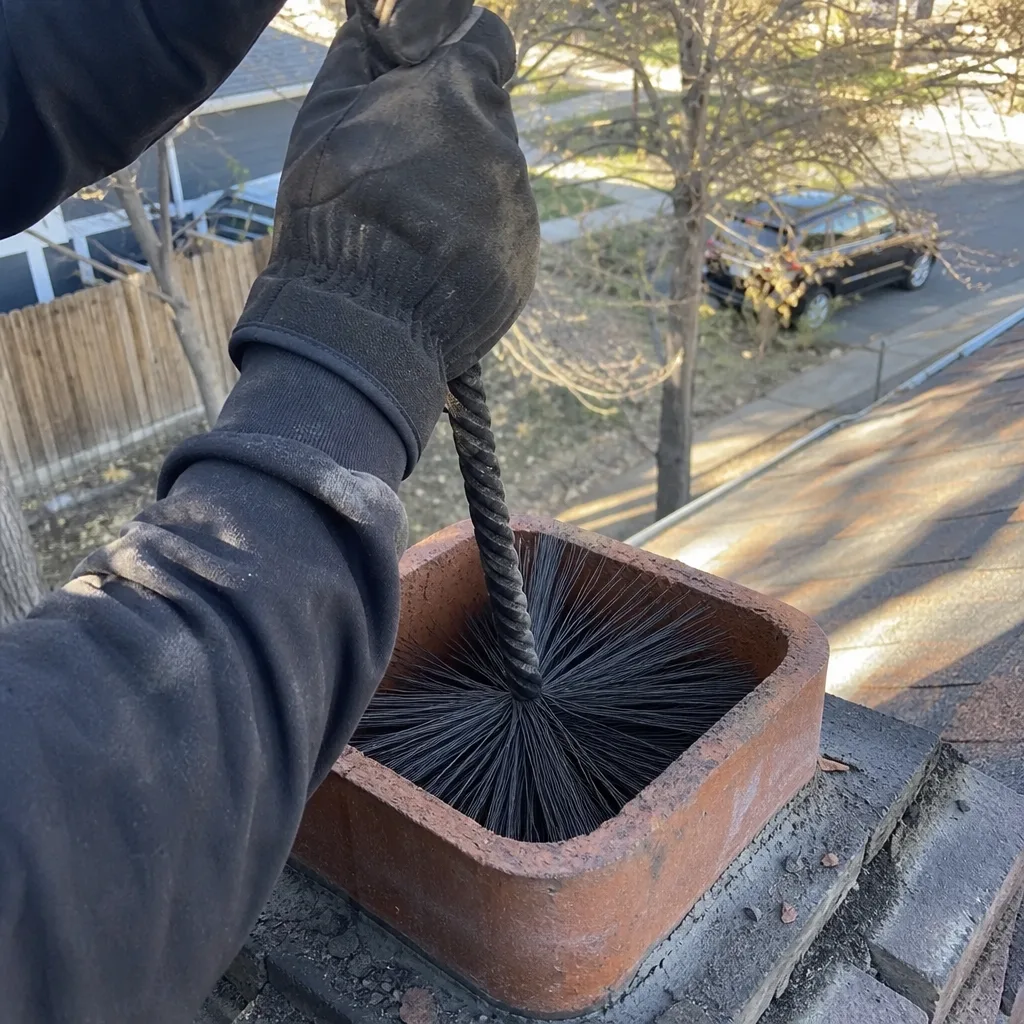
September is when most homeowners call. The smart ones have already had their summer inspection and are booking repairs. Everyone else is discovering, in the same week, that their chimney needs work before the first fire.
The pre-season camera scan serves a specific purpose: it catches moisture damage that occurred over summer before heat cycling makes it worse. When you light a fire in a chimney with water-saturated masonry, the rapid temperature change accelerates crack propagation. A crown with summer micro-cracks may hold through one season. After three months of weekly heat cycling, those cracks are wide enough to admit significant water, and the repair has escalated from sealant to rebuild.
What a proper September inspection includes, and what documentation you should receive:
- NFPA 211 Level 2 camera inspection. This is not a flashlight look from the firebox. A high-resolution camera travels the full length of the flue, documenting liner condition, joint gaps, creosote class, and any obstruction. At Emberly Chimney Cleaners Oakland, we’ve performed this as standard practice since 2009 - Clause 4 of the Haven Standard requires a documented photo record on every job.
- Written scope, written price, written warranty before work starts. Haven Standard Clause 1. You receive these three documents before any technician begins work. Not an estimate range - a fixed price for the agreed scope.
- Creosote classification. Creosote builds in three stages. Stage 1 is soot, easily brushed. Stage 2 is crunchy flakes, requiring a rotary chain or whip. Stage 3 is glazed, tar-like, and requires chemical treatment or removal. Oakland’s mild winters mean many homeowners burn infrequently, which ironically promotes Stage 3 formation - slow, cool fires don’t burn hot enough to keep creosote volatile. We classify what we find and document it with photos.
September pricing in the Oakland market runs:
- Level 2 inspection with camera scan: $280-$380 for most single-flue chimneys
- Chimney sweep (Stage 1 creosote): $220-$320
- Chimney sweep (Stage 2-3 creosote): $340-$580
- Combination inspection + sweep: $420-$620
These are 2024-2025 Oakland market ranges. For a full Chimney Cleaning Cost Breakdown: The Oakland Homeowner’s Reference for 2026, exact pricing depends on flue configuration, roof access, and what the camera reveals. We deliver a written price before any work begins - call (628) 300-1701 for scheduling.
November-February: Creosote, Fire Frequency & Mid-Season Cleaning
Burning season in Oakland runs shorter than most places. The Hills might see 40-60 nights below 50°F; the flats near the Bay, fewer. This changes how creosote accumulates and when a mid-season cleaning becomes warranted.
Creosote formation depends on three variables: wood moisture content, fire temperature, and flue draft. Oakland homeowners face a specific challenge - “seasoned” wood sold locally is often 25-30% moisture, not the sub-20% ideal, because our mild climate doesn’t dry wood as aggressively as inland areas. The result is slower, cooler burns and more creosote per cord.
Here’s how we evaluate whether a single annual sweep suffices or mid-season service is needed:
| Burn Frequency | Wood Type | Creosote Rate | Recommendation |
|---|---|---|---|
| 1-2 fires/week | Seasoned oak or almond | Low | Annual sweep in September |
| 3-5 fires/week | Seasoned oak or almond | Moderate | Annual sweep; inspect mid-January |
| Daily fires | Any wood | High | Sweep in September and February |
| Any frequency | Softwood (pine, fir) | Very high | Inspect after 1 cord burned |
| Any frequency | Unknown/moisture >25% | Very high | Inspect after 1 cord burned |
In our experience across 38,000+ inspections, Oakland homeowners who burn 3+ times weekly with less-than-ideal wood benefit from a January camera check. This is not a full sweep - it’s a visual confirmation that creosote hasn’t reached hazardous levels before the heaviest use period of late January through February.
Warning signs that warrant immediate inspection during burning season:
- Smoke entering the room when starting a fire - indicates blockage or draft failure
- A hot or discolored wall near the chimney - possible liner breach
- Carbon monoxide detector activation - stop using the fireplace immediately
- Visible creosote flakes in the firebox - indicates significant buildup above
Carbon monoxide risk is real and specific to this season. A blocked or damaged flue can vent CO into living spaces. Every home with a fireplace needs a working CO detector on each floor. If yours alarms, extinguish the fire, ventilate, and call for inspection before relighting.
March-April: Post-Season Inspection After Oakland’s Rain Months
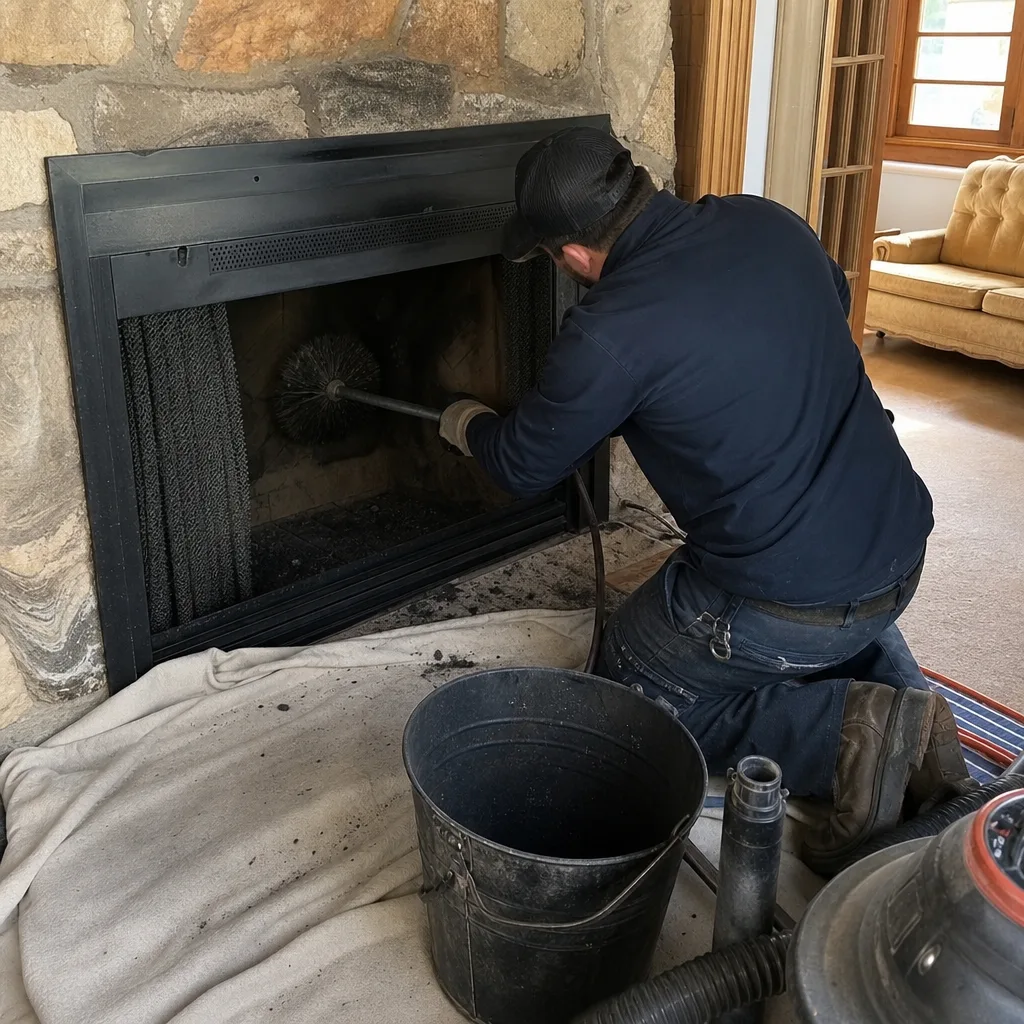
March is when Oakland’s rain pattern shifts - not necessarily drier, but the atmospheric river season has typically passed. This is the right window to assess what winter weather did to your chimney, and to document condition before fog season begins again.
We focus on four areas in post-season inspections:
- Efflorescence on exterior masonry. White, powdery deposits indicate water is moving through the brick, dissolving salts, and depositing them on the surface. In Oakland’s older neighborhoods - Maxwell Park, Trestle Glen, parts of Laurel - this signals failing mortar joints or a compromised crown. The masonry looks intact but is actively deteriorating.
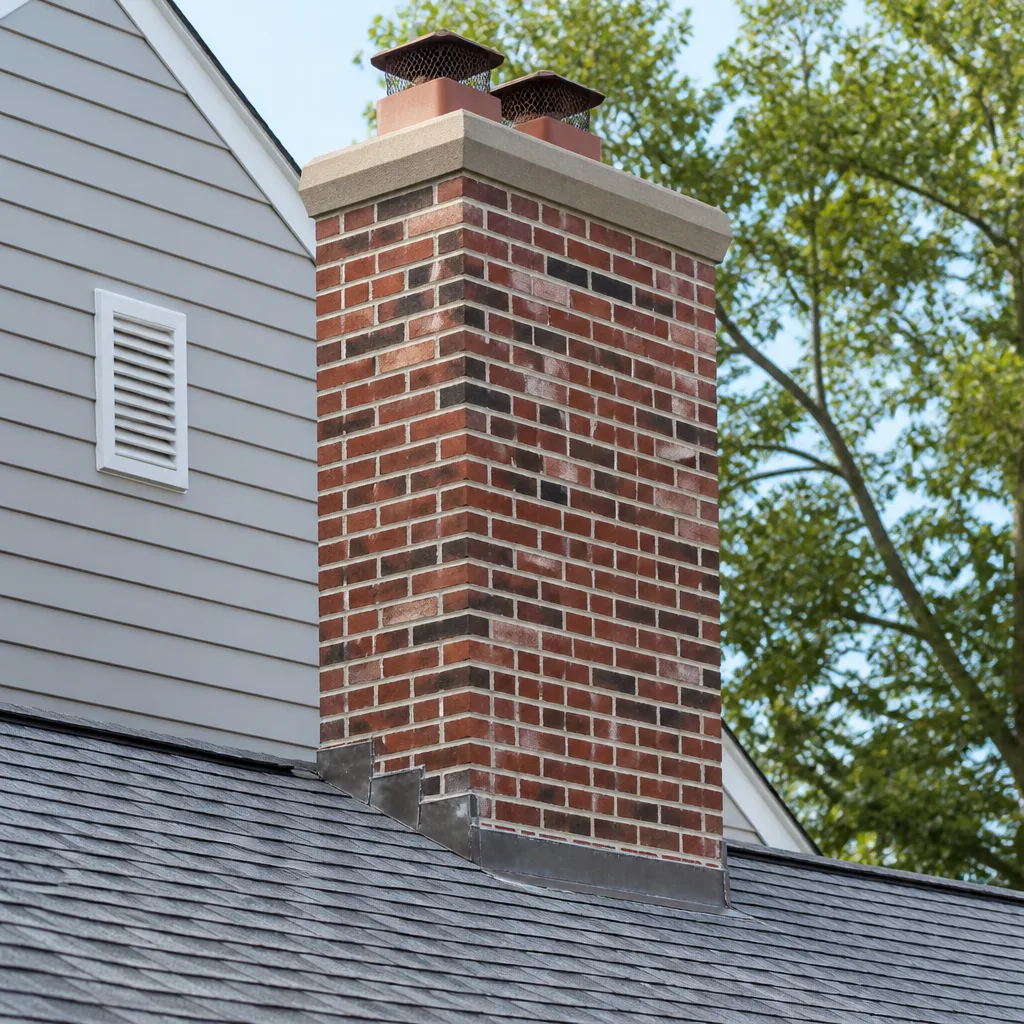
- Flashing separation at roof transitions. Oakland’s combination of flat roofs, low-slope additions, and original pitched roofs creates complex flashing geometry. Winter wind-driven rain tests these joints. We check for lifted counter-flashing, separated step flashing, and deteriorated sealant at chimney-to-roof interfaces.
- Damper corrosion and operation. After a season of use, dampers may have accumulated ash and moisture. We verify full closure - a damper that doesn’t seal costs heating dollars and admits summer humidity.
- Firebox and smoke chamber condition. Thermal cycling over winter stresses firebrick and parging. Hairline cracks in firebrick are normal; gaps wider than 1/8 inch or missing mortar require repair before next season.
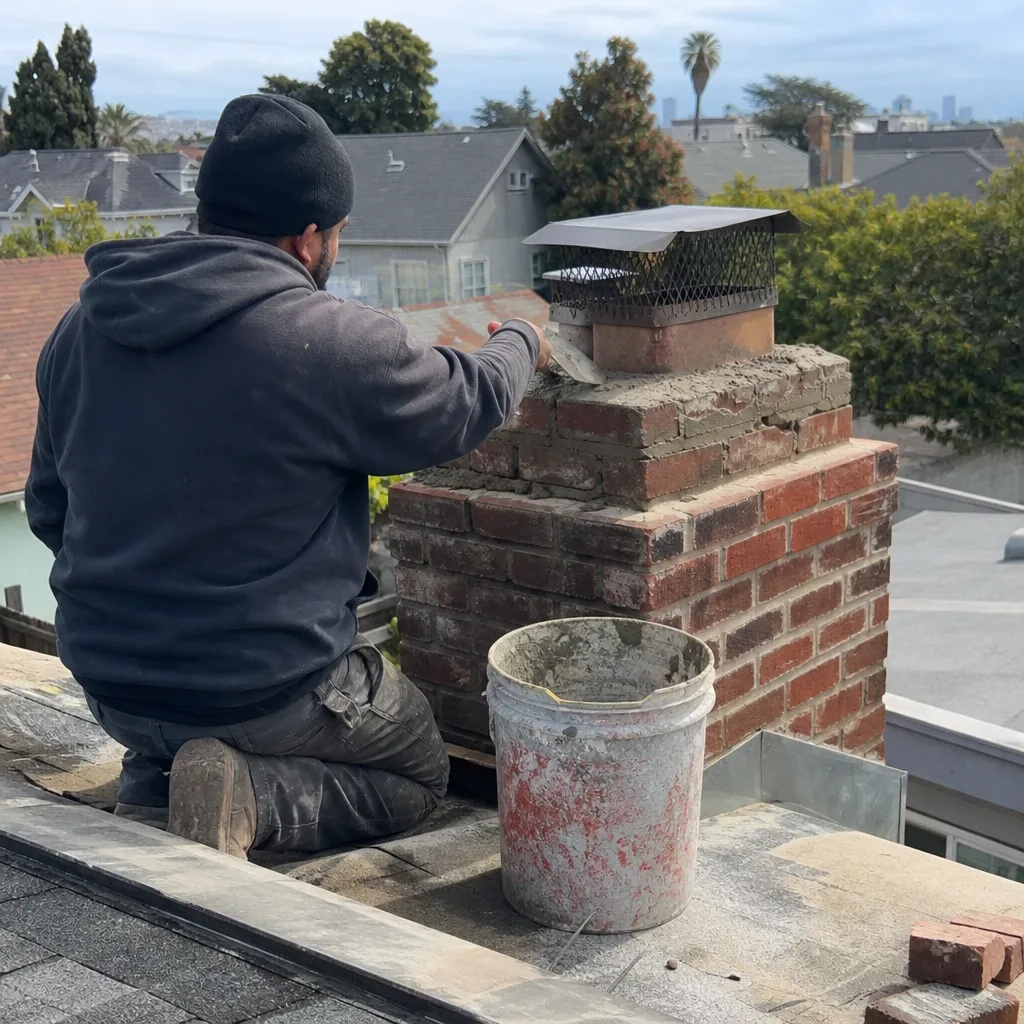
Post-season repairs scheduled in March or April avoid the September rush and give masonry repairs full curing time before fog season. A crown rebuild or tuckpointing done in April has until June to fully set - critical for bond strength.
Year-Round: Two Maintenance Items That Prevent 80% of Major Repairs
After 16 years and 38,000 inspections in the Bay Area, we’ve tracked what actually fails and why. Two maintenance items, kept current, prevent the majority of repairs exceeding $2,000:
Chimney Cap Screen Integrity
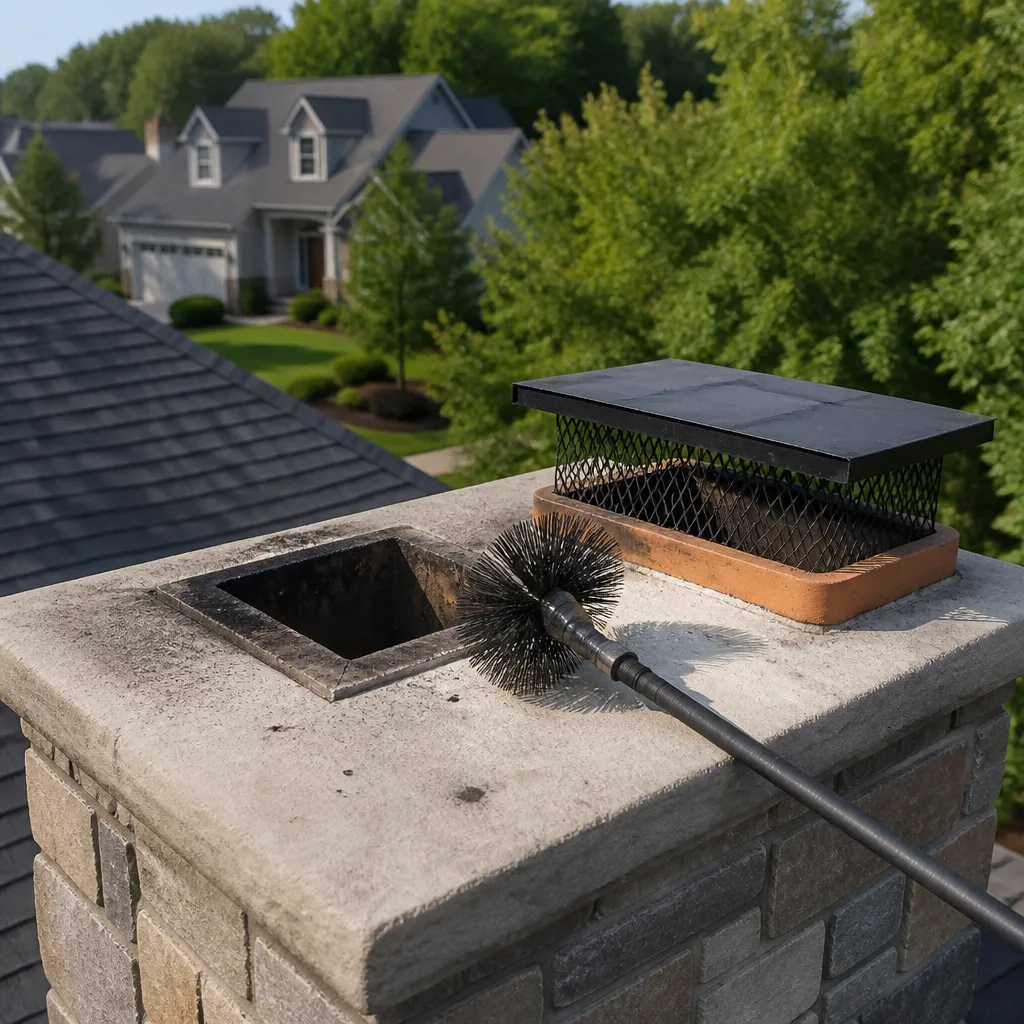
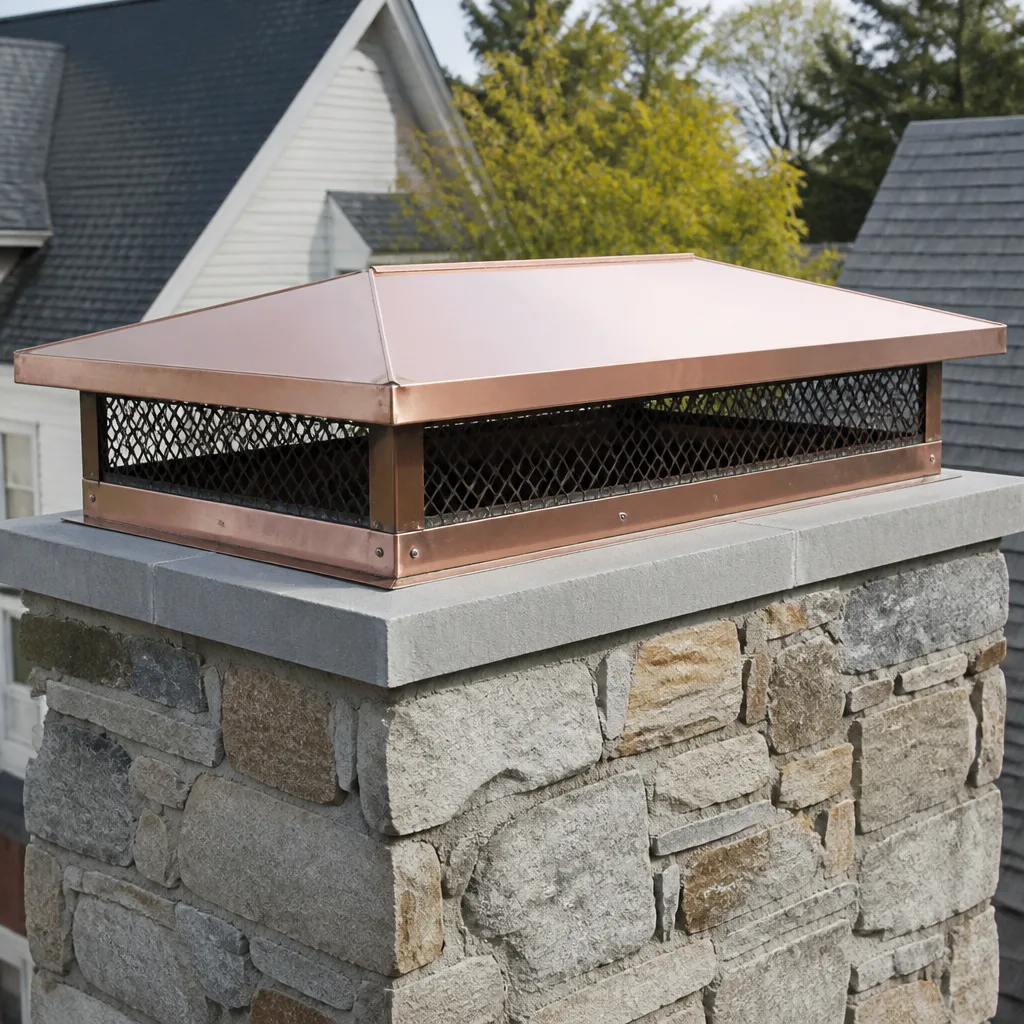
The cap does three jobs: keeps rain out, keeps animals out, and maintains proper draft by blocking downdrafts while allowing exhaust escape. In Oakland, the screen mesh is the failure point. Salt fog corrodes stainless steel over 5-8 years; galvanized steel fails faster. A compromised screen admits squirrels, raccoons, and roof rats - all common in Oakland’s urban canopy - which nest in the flue and block it completely.
We replace cap screens with 304 or 316 stainless mesh, sourced through our buying network including Famco and Olympia Chimney, sized to local animal threats. Inspection is visual from the ground or roof - no disassembly required. If the screen shows rust spots, waviness, or gaps, replacement is preventive and costs $180-$340.
Crown Waterproofing
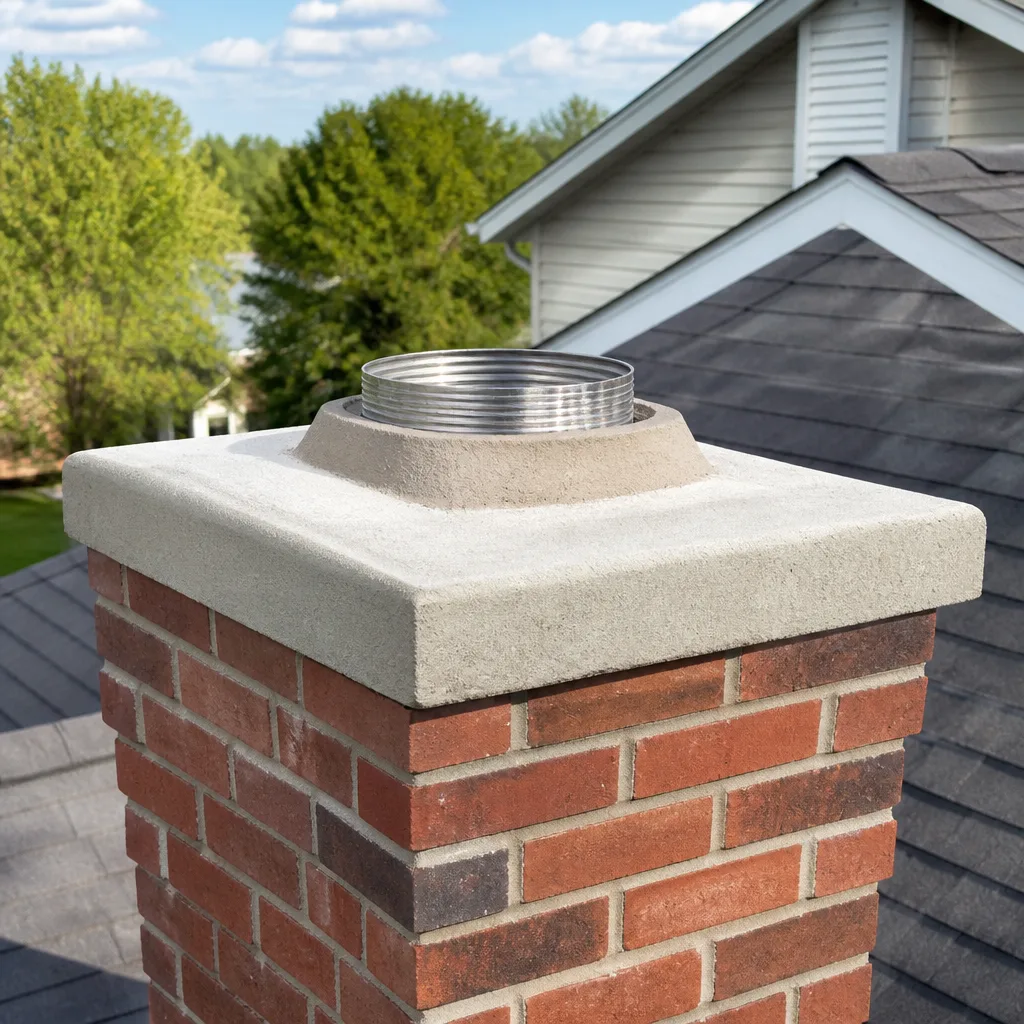
The crown is the concrete or mortar slab topping the chimney, sloped to shed water. It’s not the cap - it’s the surface the cap sits on. In Oakland’s fog climate, an unsealed crown absorbs moisture daily. Freeze-thaw isn’t the enemy here; it’s salt crystallization and repeated wet-dry cycling that delaminates the surface.
We apply crown-specific sealant - not generic masonry waterproofer, which traps moisture - that allows vapor transmission while blocking liquid water. Reapplication every 3-5 years in Oakland’s climate. Cost: $280-$450 for typical residential chimney. Compare to crown rebuild: $1,800-$3,200.
These two items take 30 minutes to inspect and are included in every Level 2 inspection we perform. They’re not glamorous. They prevent glamorous problems.
What Seasonal Chimney Maintenance Costs in Oakland
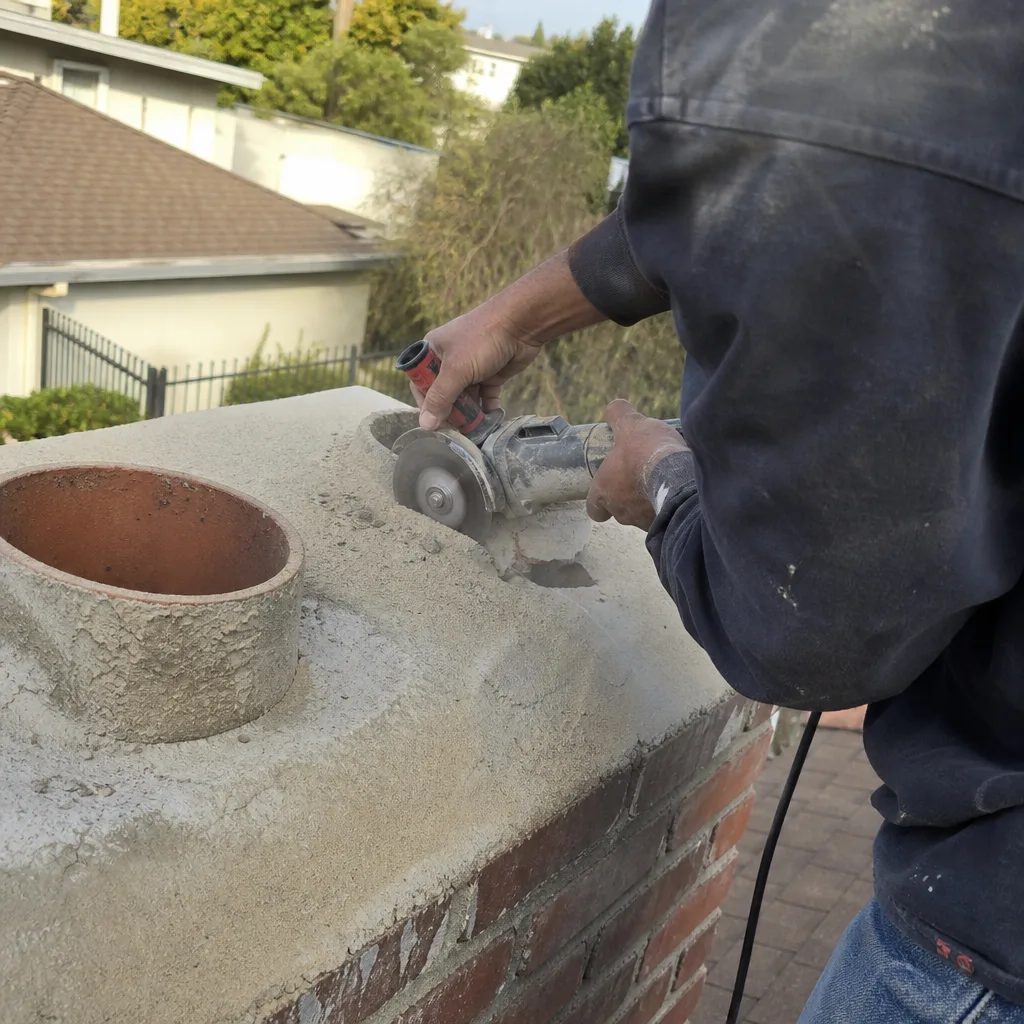
Transparent pricing is core to how we operate - written price before work starts, always, under Haven Standard Clause 1. Below are 2024-2025 Oakland market ranges for seasonal maintenance items. Your exact price depends on flue count, roof access, and condition found on camera.
| Service | Typical Range | Season |
|---|---|---|
| Level 2 camera inspection (single flue) | $280-$380 | Any; recommended June or September |
| Chimney sweep, Stage 1 creosote | $220-$320 | September-February |
| Chimney sweep, Stage 2-3 creosote | $340-$580 | September-February |
| Cap screen replacement | $180-$340 | Year-round; inspect annually |
| Crown sealant application | $280-$450 | Spring or early summer |
| Flashing repair (localized) | $220-$580 | Post-rain or as needed |
| Damper repair/cleaning | $180-$420 | Pre-season or post-season |
| Full damper replacement | $680-$1,400 | As needed |
| Crown rebuild | $1,800-$3,200 | Spring/summer for cure time |
| Flue liner repair (HeatShield) | $2,400-$4,800 | As needed; spring preferred |
We provide free second opinions on any competitor’s written estimate - bring us their scope and price, and we’ll review it against what our camera finds.
Oakland-Specific Risks: Hills, Flat Roofs & Older Masonry
Oakland’s geography creates chimney conditions you won’t find in generic guides. Three factors specific to this market:
Hills exposure and wind. Chimneys above 800 feet in the Oakland Hills, Montclair, and Piedmont Pines sit in stronger, saltier wind. Crowns and caps take more mechanical abuse. We’ve replaced caps in these areas after single winter storms that wouldn’t have damaged inland installations. Annual cap and crown inspection is essential, not optional.
Flat and low-slope roofs. Oakland’s bungalow and mid-century stock includes extensive flat roof areas, especially in North Oakland, Temescal, and Fruitvale. Chimneys on flat roofs lack the natural watershed that pitched roofs provide. Water pools at the chimney base, and flashing design is more complex - often requiring cricket construction (a small peaked diversion structure) that itself needs maintenance. We inspect these installations with particular attention to membrane-to-flashing transitions, following Chimney Cleaning Permits, Codes & Inspections in CA: What You Need to Know.
Pre-1950 masonry. Oakland’s housing stock includes thousands of chimneys built with lime mortar, soft brick, and no flue liner - or with early clay tile liners that have shifted in earthquakes. The 1989 Loma Prieta quake damaged chimney structures throughout the East Bay; many were repaired cosmetically but not structurally. We evaluate these chimneys for seismic bracing requirements and liner integrity, documenting condition with photos per Haven Standard Clause 4.
Common Mistakes to Avoid
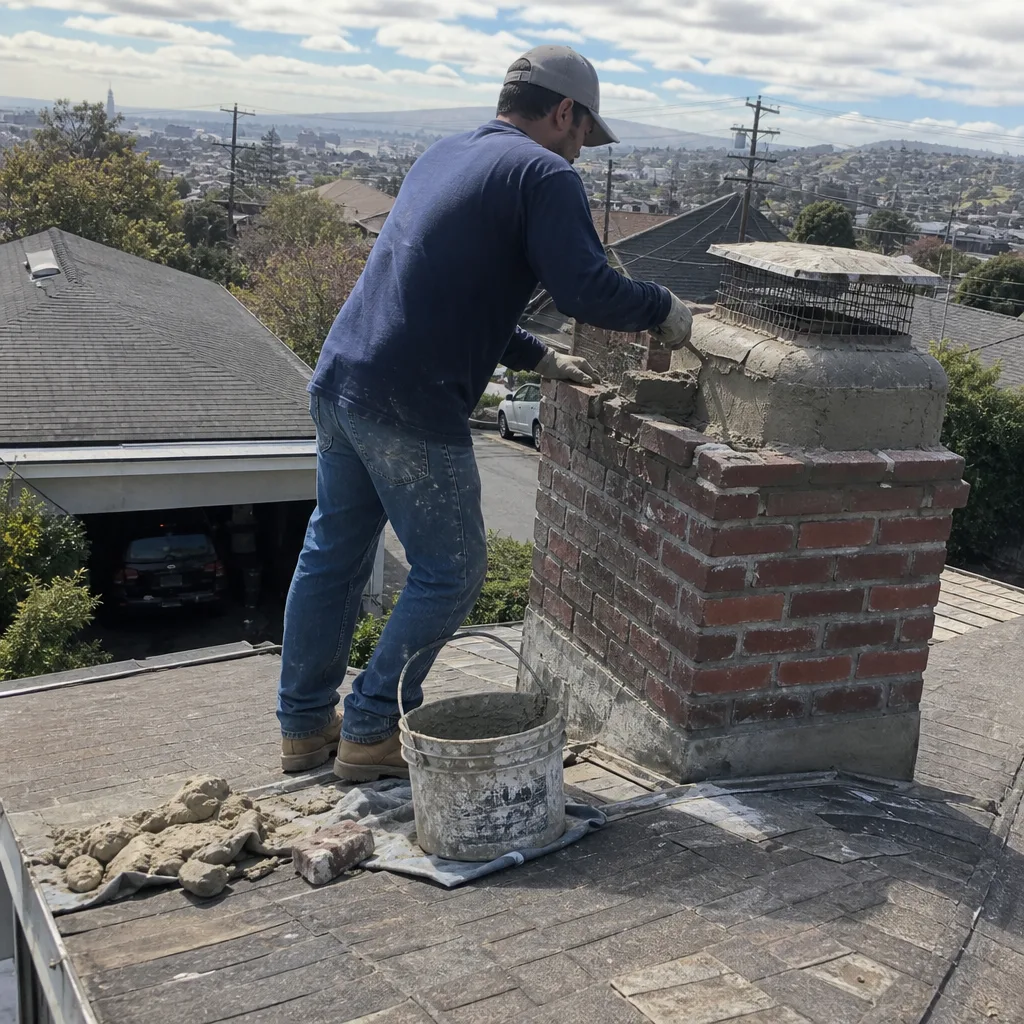
- Waiting for “chimney season” in October. By then, fog damage is done, every sweep is booked, and you’re choosing between delaying your first fire or rushing repairs. Oakland’s maintenance calendar starts in June.
- Hiring based on lowest sweep price alone. A $99 sweep without camera inspection cannot evaluate liner condition, crown integrity, or hidden moisture damage. The money “saved” is often spent multiples over on repairs that were preventable if caught early.
- Burning unseasoned or unknown wood. Wood sold as “seasoned” in Oakland’s mild climate is often insufficiently dried. Buy a moisture meter ($25) or purchase from a supplier who certifies sub-20% moisture. Softwood should be avoided entirely for primary heating.
- Ignoring efflorescence as “just cosmetic.” White deposits on brick mean water is moving through the masonry structure. It’s the visible symptom of an active deterioration process. Tuckpointing addressed at this stage costs hundreds; delayed, it requires partial rebuild.
- DIY cap or crown repair with hardware-store products. Generic silicone or concrete patch fails within one season in Oakland’s UV and salt exposure. Crown sealants must be vapor-permeable; cap screens must be proper gauge stainless. Incorrect materials accelerate damage.
- Skipping the post-season inspection. March-April is when winter damage is fresh and before fog season begins. This gap month is ideal for scheduling non-urgent repairs with full curing time.
- Assuming no fire means no maintenance. Gas fireplaces and decorative wood fireplaces still require annual inspection. Gas flues develop condensation corrosion; unused wood chimneys admit moisture and animals. “We never use it” is not a maintenance strategy in Oakland’s climate.
When to Call a Professional
Call for inspection before the situation becomes urgent. Specific triggers: visible cracks in the crown or exterior masonry; smoke or odor when the fireplace is not in use; any carbon monoxide detector activation; a cap that’s missing, damaged, or no longer securely attached; water stains on the ceiling near the chimney; or if it’s been more than 12 months since your last Level 2 camera inspection.
Emberly Chimney Cleaners Oakland offers free estimates in Oakland - call (628) 300-1701. Every estimate includes a written scope, written price, and written warranty before any work begins. Live phone support runs 24 hours a day, 7 days a week. Background-checked, uniformed technicians; license information displayed on every page; and the 365-Day Done Right Promise on every job.
Frequently Asked Questions
A professional chimney sweep in Oakland typically costs $220-$320 for standard Stage 1 creosote removal, and $340-$580 for heavier Stage 2-3 buildup. A Level 2 camera inspection adds $280-$380. Combined inspection and sweep packages run $420-$620. Prices vary by flue count, roof access, and condition. Call (628) 300-1701 for a written estimate - estimates are free.
The National Fire Protection Association recommends annual inspection for all chimneys, and sweeping when creosote exceeds 1/8 inch. For Oakland homeowners burning 1-2 times weekly with seasoned hardwood, annual sweeping suffices. Burn more frequently, use softer wood, or burn with moist fuel, and mid-season inspection is warranted. Our 38,000+ inspections show that Oakland’s mild climate actually increases creosote risk per burn, because fires tend to be smaller and cooler.
You need a new liner only if camera inspection shows cracks, gaps, or deterioration that compromise containment of heat and combustion gases. We do not recommend liner replacement without photo evidence you can review yourself. Many chimneys with clay tile liners function safely for decades; others require stainless steel or HeatShield resurfacing based on condition. Bring us any competitor’s liner replacement quote - we offer free second opinions with our own camera documentation.
Skipped maintenance leads to progressive, expensive damage. Moisture enters through crown cracks and degrades mortar - $300 in sealant becomes $2,000+ in rebuild. Creosote accumulates and creates chimney fire risk, or blocks the flue and causes CO backup. Animals nest and obstruct airflow. In Oakland specifically, fog-season moisture damage accelerates all of these. The cost of annual inspection and preventive maintenance is typically 10-20% of deferred repair costs.
You can check visible elements from the ground: cap presence, obvious crown cracks, exterior brick condition, and firebox brick. You cannot evaluate flue liner condition, creosote buildup above the smoke chamber, or moisture intrusion patterns without a camera system and training. NFPA 211 Level 2 inspection requires specialized equipment. For safety - flue gases including carbon monoxide are lethal - professional evaluation is appropriate for the internal system.
A sweep removes creosote and obstructions from the flue. An inspection evaluates the full system’s condition - liner, crown, cap, flashing, damper, firebox, and smoke chamber - using camera documentation. In Oakland’s climate, we recommend both: inspection to find what needs attention, sweep to address creosote. Neither substitutes for the other. Emberly Chimney Cleaners Oakland includes photo documentation with every service under Haven Standard Clause 4.
The Bottom Line
Oakland’s chimney maintenance calendar runs opposite national convention. Start in June with moisture damage inspection, confirm condition with a September camera scan before burning, monitor through winter based on your actual fire frequency, and assess rain-season impact in March. Keep your cap screen and crown waterproofing current year-round. Document everything with photos. Get prices in writing before work starts, and explore more guides & resources on year-round chimney care. The homeowners who follow this schedule avoid the emergency repairs and October scheduling crunches that define reactive maintenance.
Written by Corrine Halstead, Owner at Emberly Chimney Cleaners Oakland, serving Oakland since 2009.